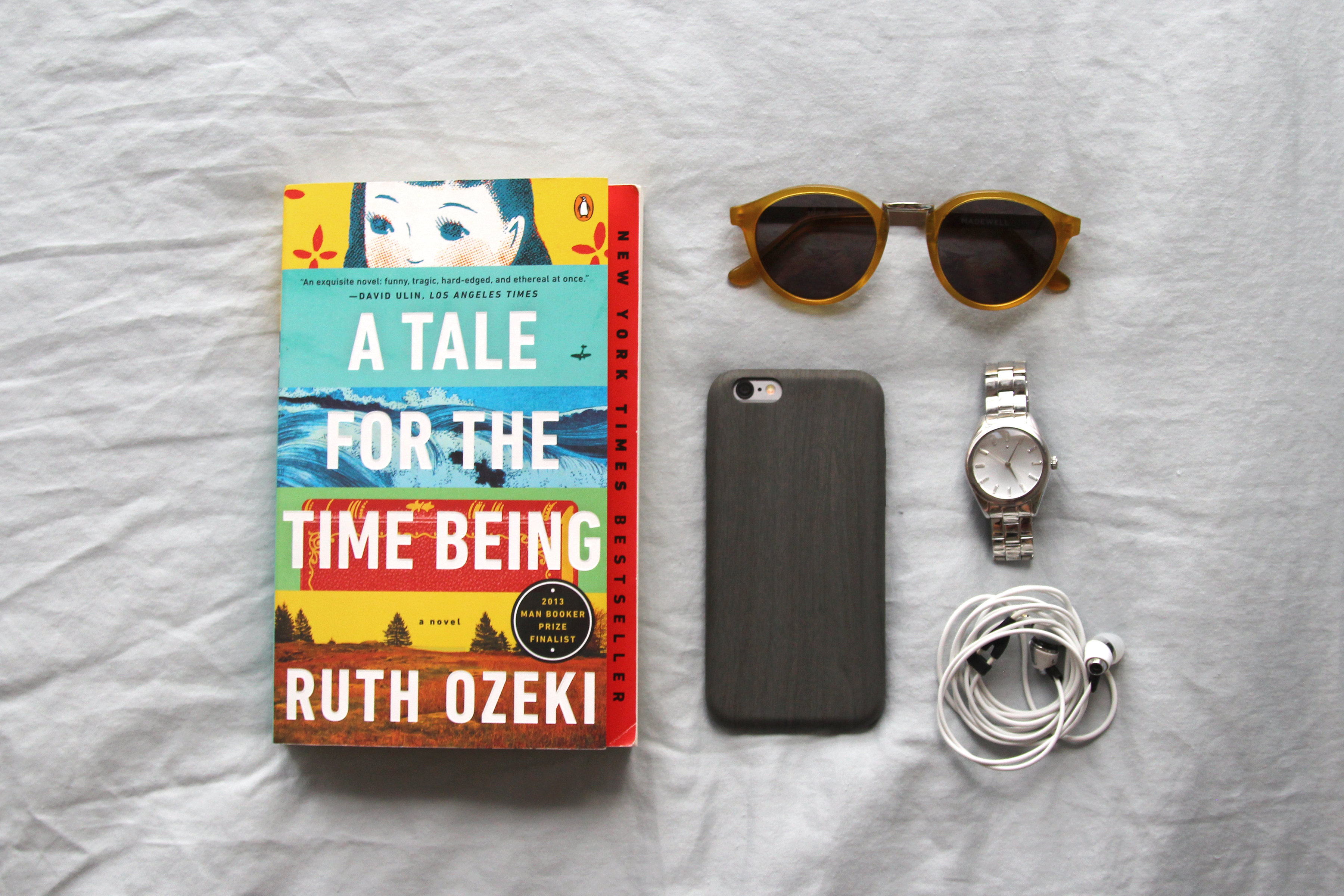
Ruth Ozeki’s A Tale For the Time Being (2013) is a Booker Prize shortlisted novel and one of those rare stories that I can confidently call “unique.”
Just listen to this plot: a writer named Ruth (based on Ozeki herself) finds a Hello Kitty lunchbox containing a diary, a watch, and some old letters in Japanese. The diary belongs to Nao Yasutani, a 16 year-old girl struggling with her family’s sudden move from Sunnyvale, Ca. to Tokyo. Tortured by her classmates and disgusted by her father’s suicide attempts, Nao finds solace in her Zen Buddhist nun great-grandmother Jiko. Ruth is tugged along on Nao’s coming-of-age journey as she undergoes another kind of coming-of-age — the insecurities of middle age.
Quotes
1. I haven’t met very many adults in my life who I could call really grown up, but maybe that’s because I lived in California.
2. She was talking in Japanese, but she used the English word, superpower, only when she said it, it sounded like supah-pawah. Really fast. Supapawa. Or more like SUPAPAWA—!
“Like a superhero?” I asked, using the English word, too.
“Yes,” she said. “Like a SUPAHIRO—! With a SUPAPAWA—!” She squinted at me from behind her thick glasses. “Would you like that?”
Trivia
I actually had the privilege of attending a talk by Ruth Ozeki, in which she explained the development of the novel. It turns out she had originally written a novel about Nao, but the 2011 Tohoku earthquake and tsunami hit and it no longer felt right to Ozeki to publish the book as it was. She eventually chose to add the self-modeled character of Ruth (whom she clarified is distinctively fictional), a second layer of narrative that allowed her to address the disaster and its aftermath.
Thoughts
Full disclosure: at first, I was a tiny bit disappointed. Maybe it was because I’d heard *so* much hype about it, but I think it was mostly because I’d seen Ozeki in person before reading it. I found Nao’s voice a bit stilted in the first chapters — a little too much like an adult trying to imagine a millennial. This quickly went away as the story picked up speed, however, and Nao’s humor and bluntness actually became one of my favorite things about the book.
Another aspect that I both loved and found uncomfortable was the insight we get on Ruth’s psychology. This, I think, is also due to meeting Ozeki. While I really liked that Ruth’s stable, third person narrative gradually merges with Nao’s world and its fluctuating mental wellbeing, I couldn’t help picturing Ozeki in my head. Even though she’d said book-Ruth wasn’t her-Ruth, when a character is inspired by yourself, there must be some grains of truth, right? Like, many grains? Like, a silo? Sometimes I felt like their marriage will dissolve because of this book and that I’d been intruding.
That being said, A Tale for the Time Being is refreshingly experimental, in a way that one might describe as “totes nailed it.” It starts off as a troubling but humorous rumination on mental health, then gets hyper-philosophical and magical realist (in a very Murakami way) until, before you even realize that you’re reading something much more than a Perks of Being a Wallflower-esque teenage manifesto, you’re getting lessons in quantum physics. Literally. I don’t even know what happened. But I’m definitely going to reread it sometime to find out.
Soundtrack
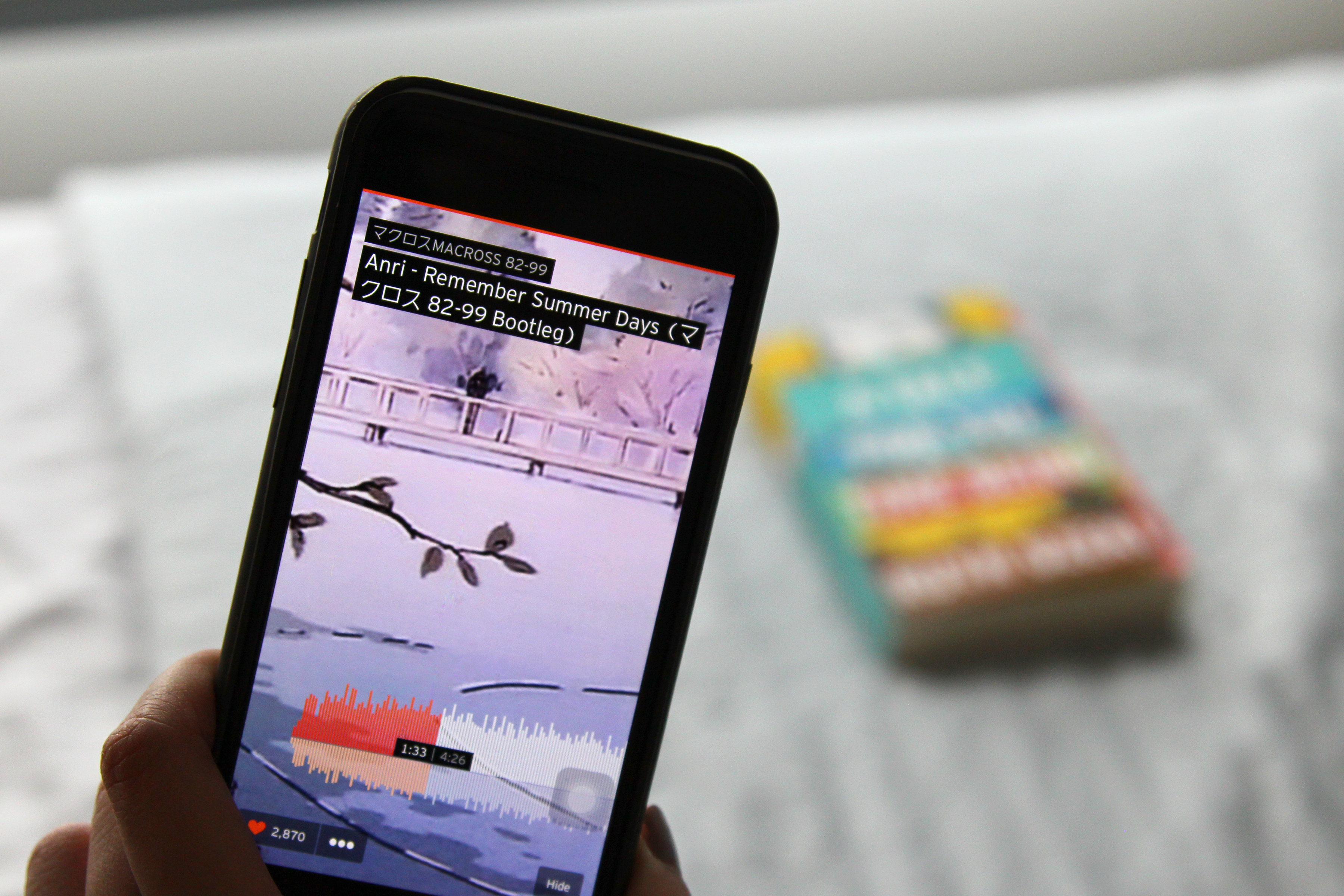
マクロスMACROSS 82-99 – Remember Summer Days Remix (Anri). A danceable take on a nostalgic Japanese song by one of my favorite remixers.
 Inklings
unfair how many good vibes are coming out of that song
LikeLike