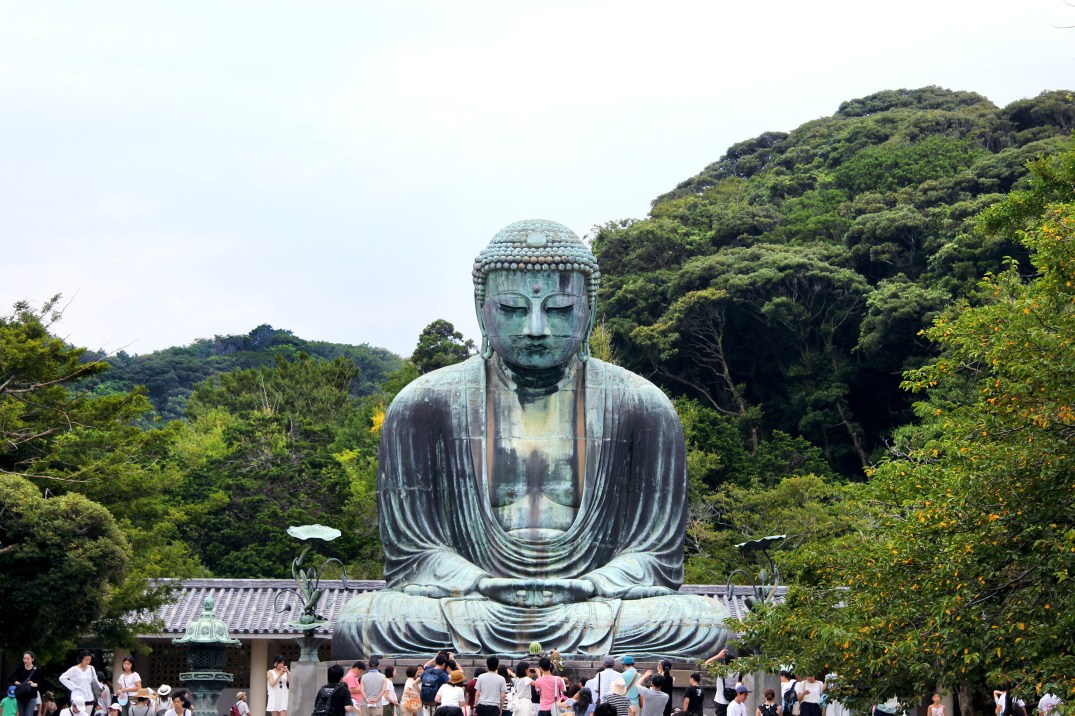
Long time no see! I’ve been at school for six weeks and, thanks to immense luck and Princeton’s unreasonable wealth, I’m back in Japan (!!!). I’m currently on a 10-day class trip stopping first in Kyoto, then Hiroshima, and eventually in Tokyo (!!!).
In honor of this, here’s a throwback to the summer:
Sometime in August, I was able to take a day trip to Kamakura thanks to a friend’s family car, and since we got there rather late and it was ridiculously crowded that day, we got tired quickly and decided to head back to Tokyo for dinner. Not wanting the night to end blandly, we decided to go for monja, a more, uh, interactive cuisine (you’ll see what I mean), on the famous Tsukishima monja street featured in this earlier post.
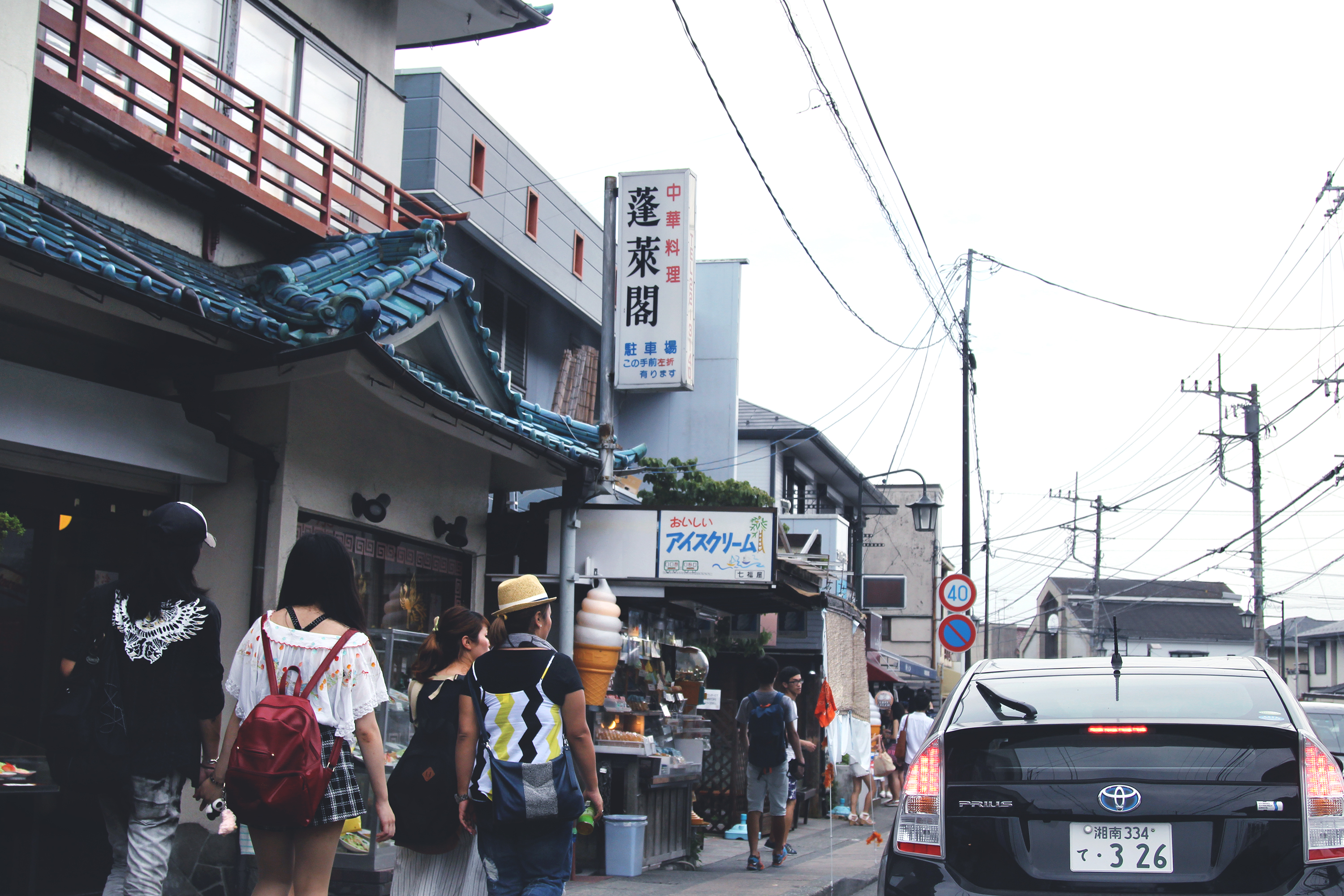
Snaps from the drive:
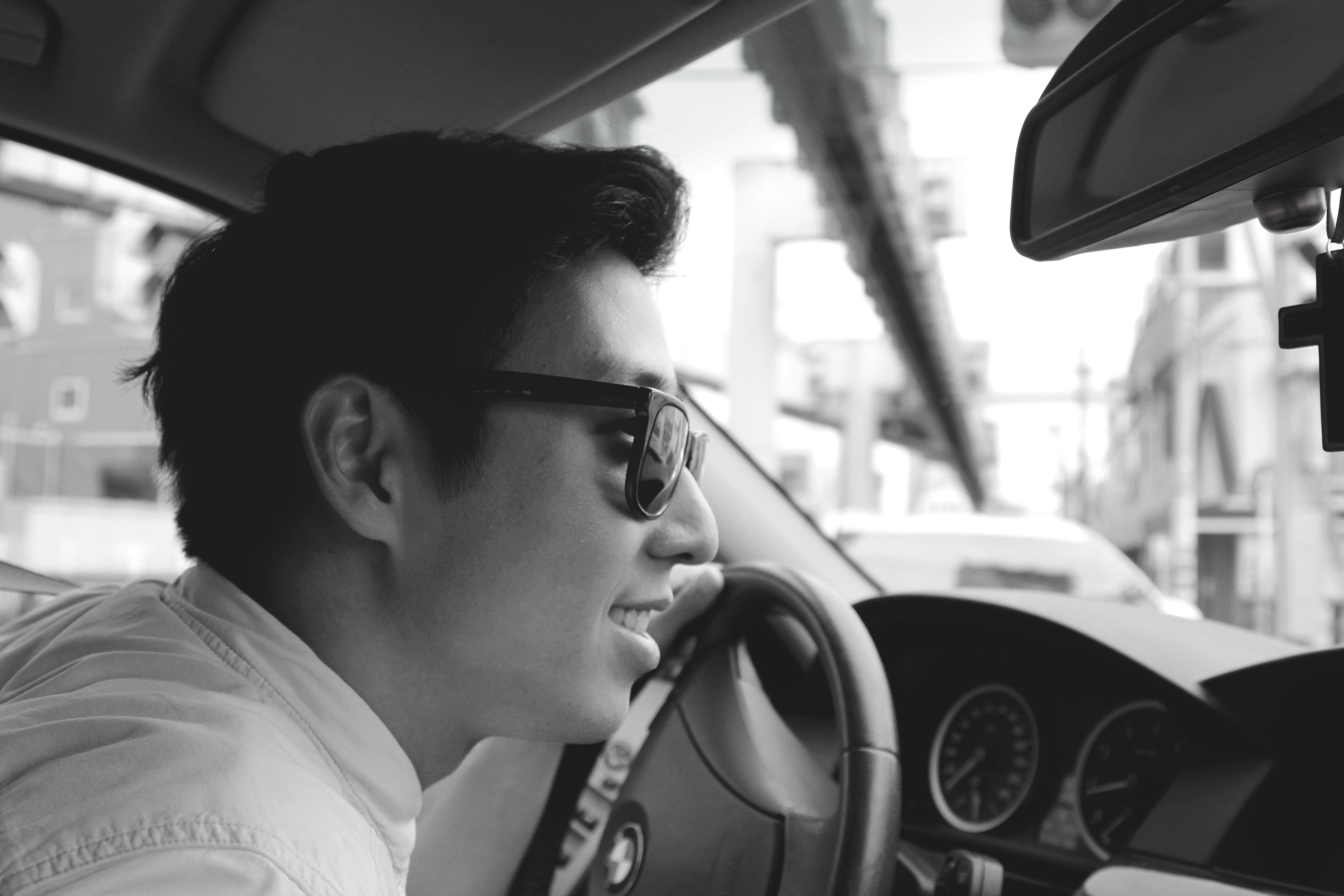
^My trusty chauffeur. (Drivers’ seats are actually typically on the right side in Japan, in case anyone was about to call me a fraud. Long story.)
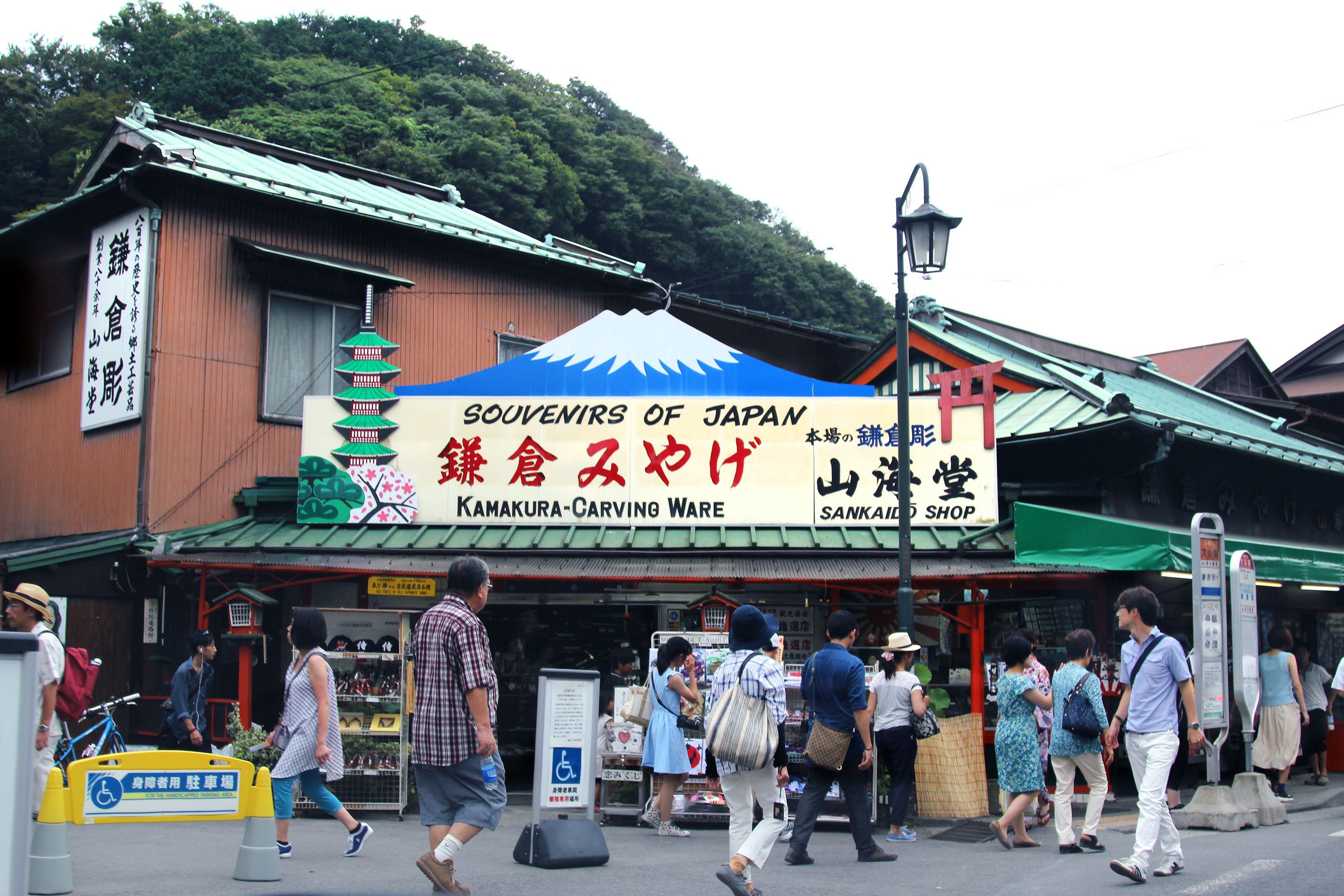
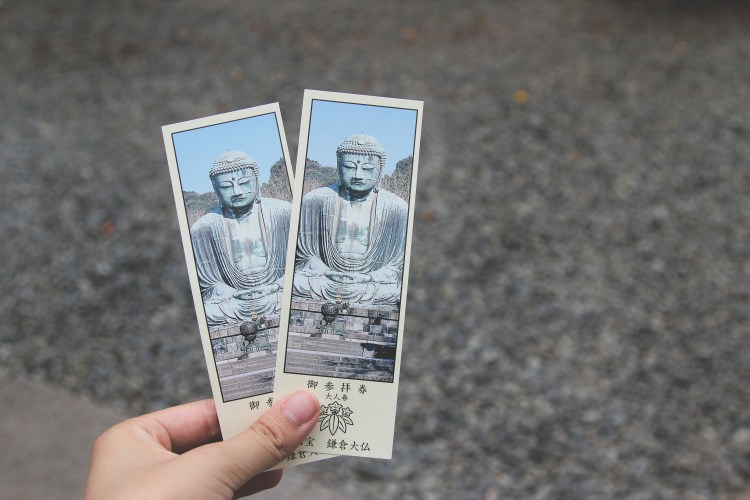
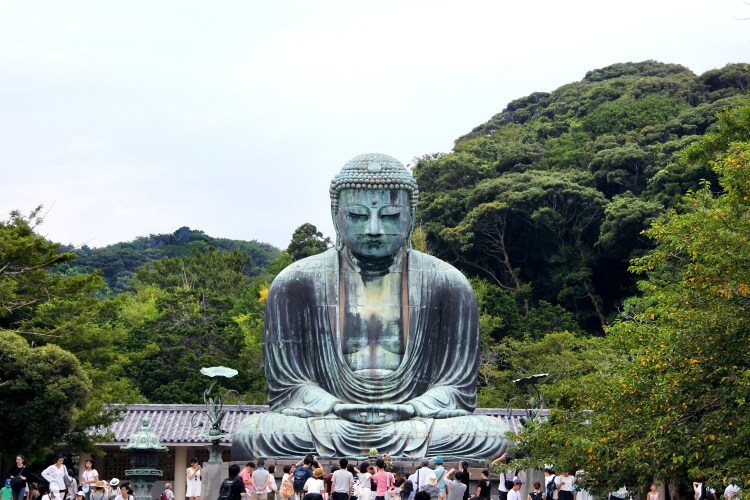
We had originally planned to see a couple of temples and a museum in Kamakura (鎌倉, a historical city/town about an hour’s drive from Tokyo), but the traffic was downright cruel and pretty much every notable site in Kamakura closes by 4:30 pm, so we only made it to one of our destinations: Kotoku-in (高徳院), where the iconic Daibutsu (大仏, lit. Big Buddha or, more ceremoniously, Great Buddha) is located:
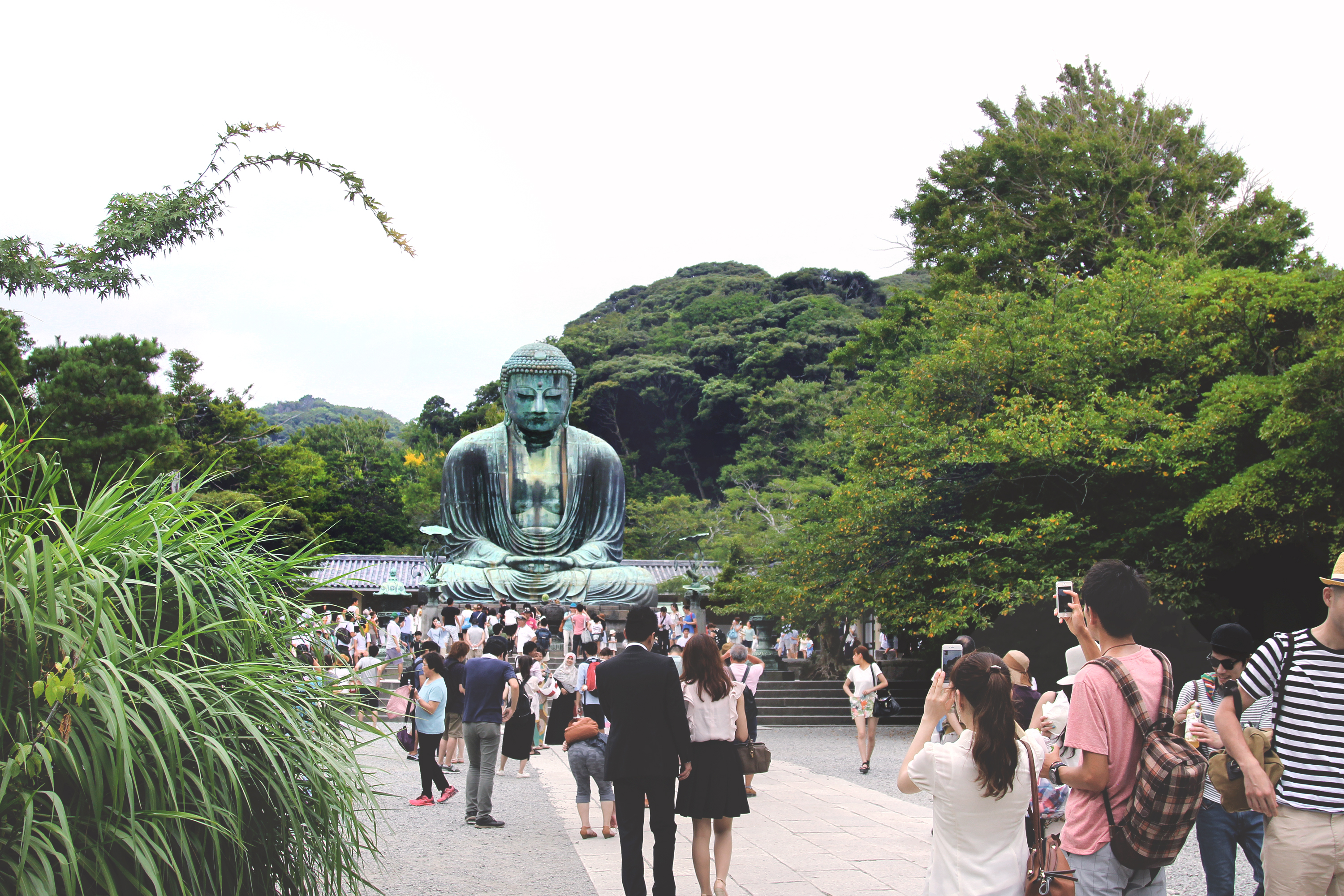

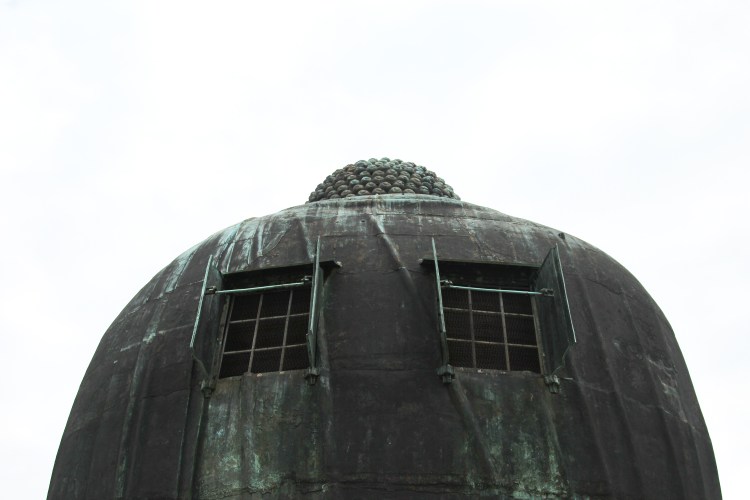
The back of the Buddha opens up for maintenance and repairs.
The temple didn’t have much aside from the above main attraction, though it did have a small back garden and souvenir shop.
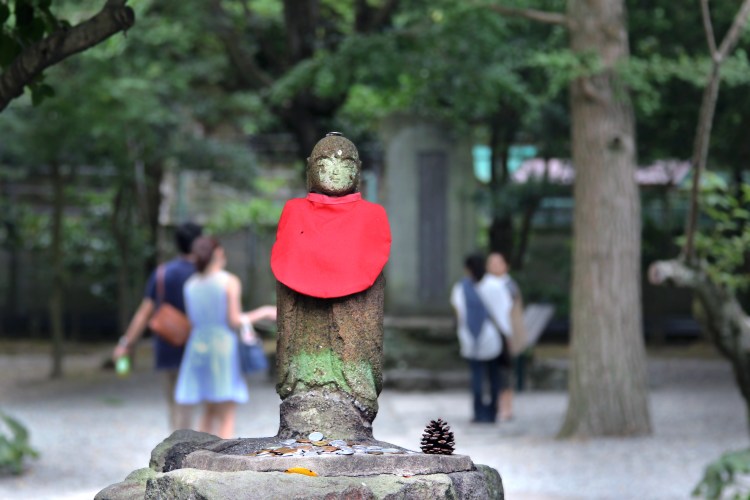
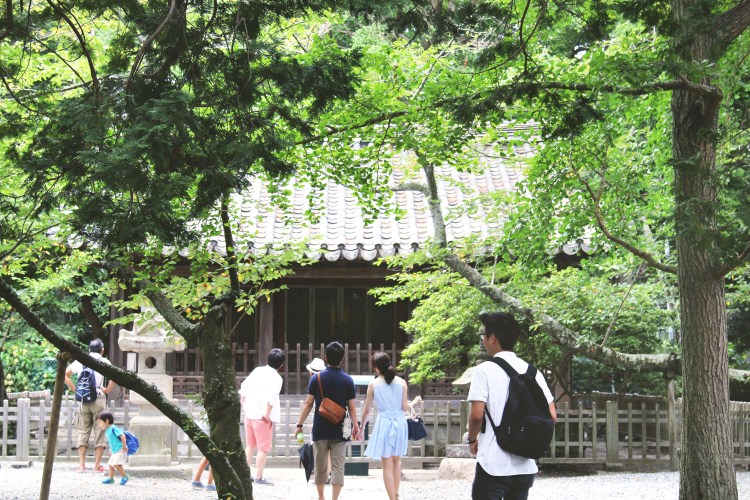
We also drove around the beach, but that was extremely overpopulated so it was straight back to Tokyo for us.
Next up: monja!
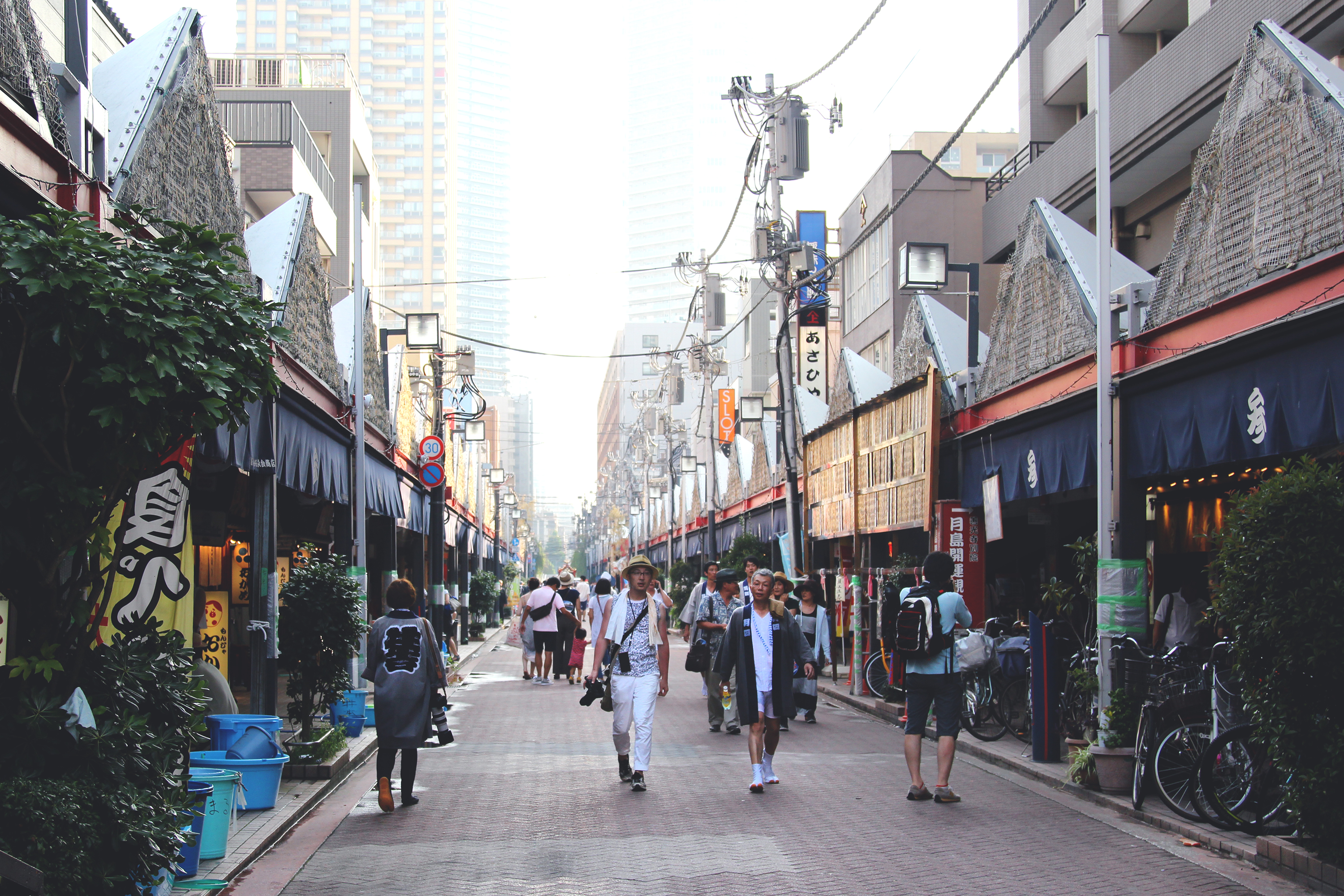
A few things about monja. It’s a type of cuisine from western Japan that has somehow become the landmark food for Tsukishima, where I lived over the summer. On the main street (known colloquially as Monja Street) alone, there were easily over three dozen monja restaurants. It comes in a bowl, typically with vegetables and some kind of meat/seafood, with batter on the bottom. The customer then cooks the concoction over an iron griddle. This is all better explained with pictures:
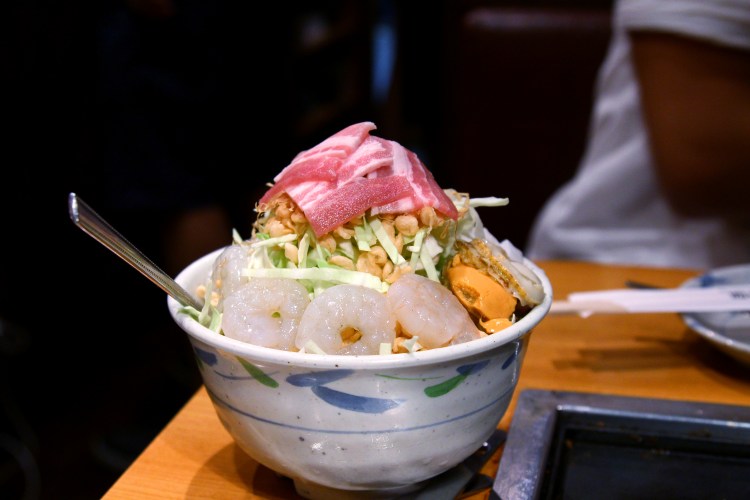
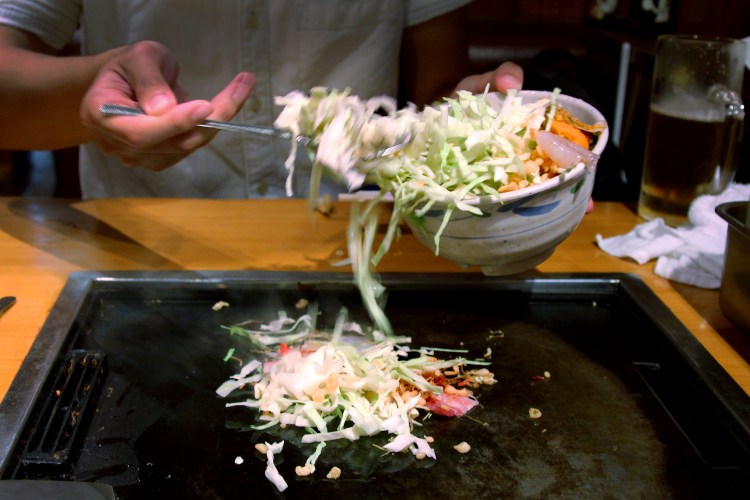

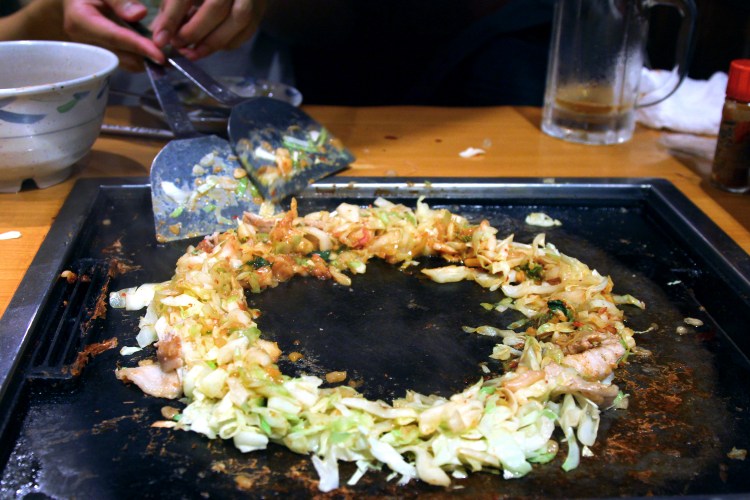
^The solid foods are arranged into a ring so as to contain the batter.
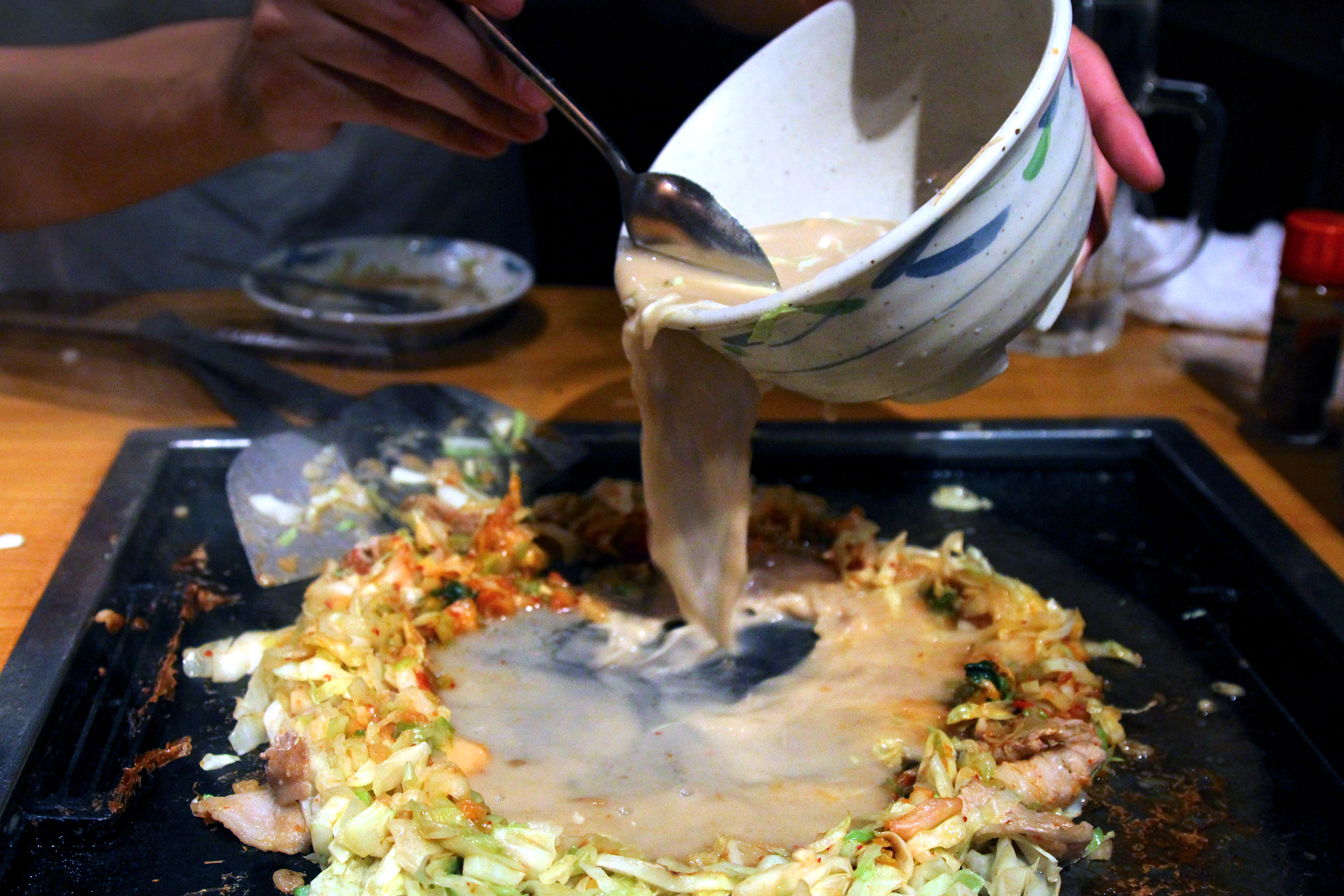
When the batter somewhat solidifies into a runny dough, everything is mixed together…

…then it’s ready for seasoning & devouring!
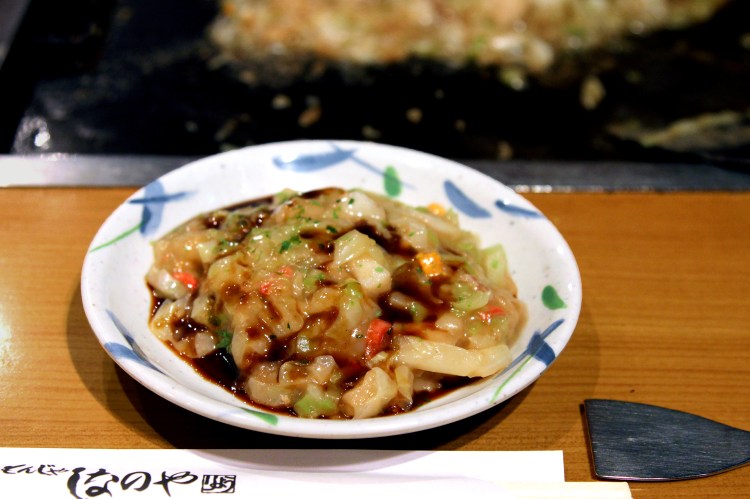
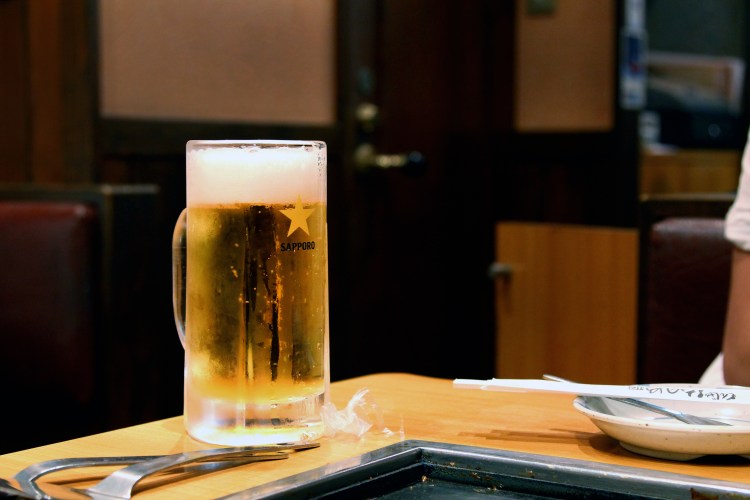
Best served, of course, with a tall glass of Japanese beer.
Kyoto & Princeton posts coming in the near future, I “promise.”









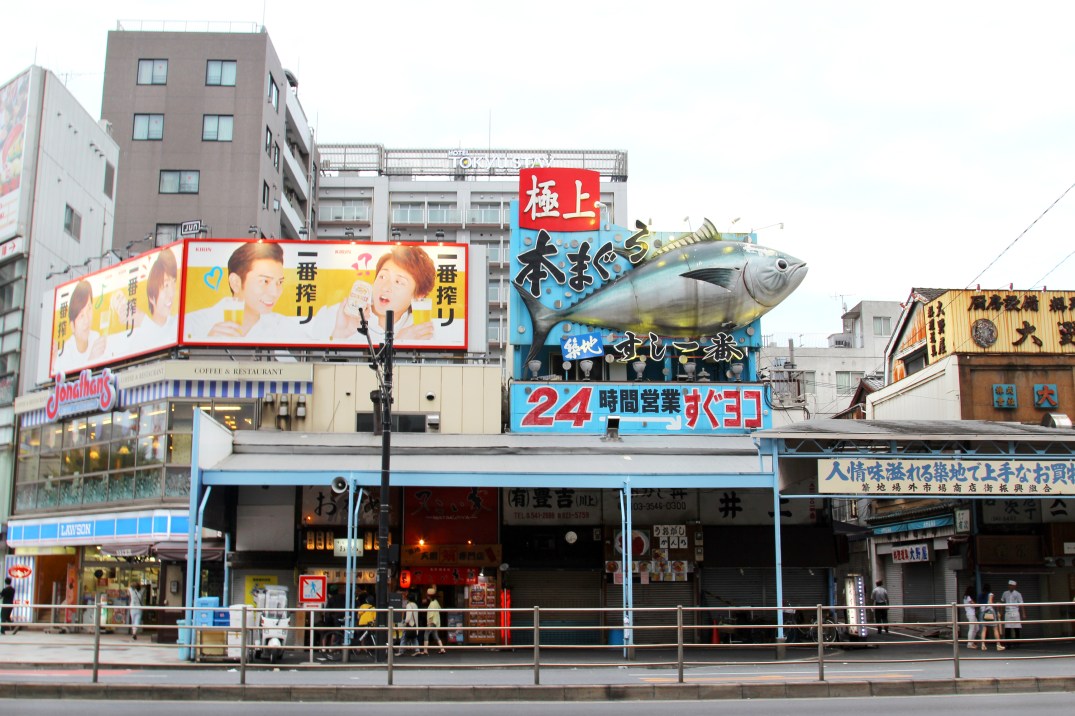
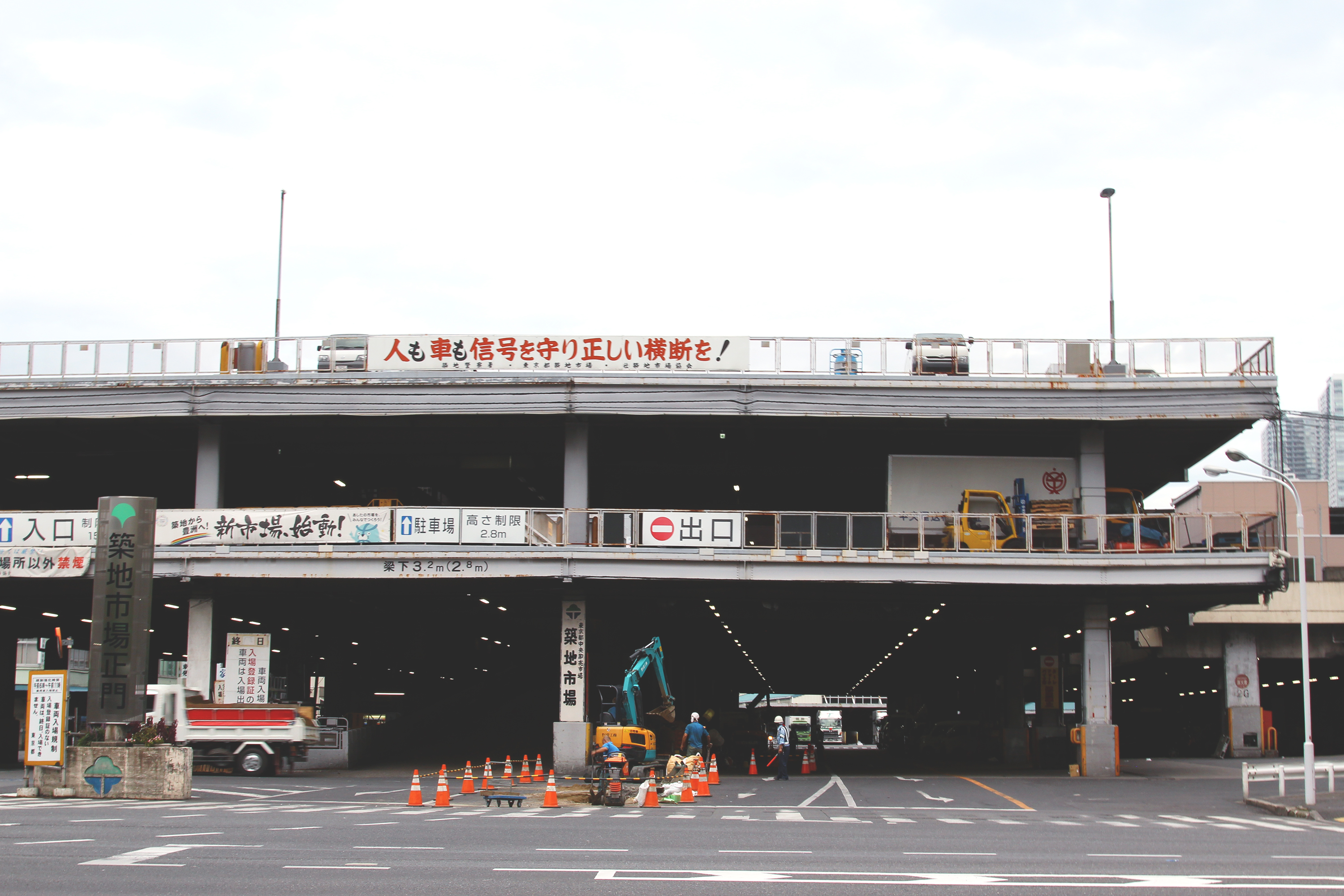
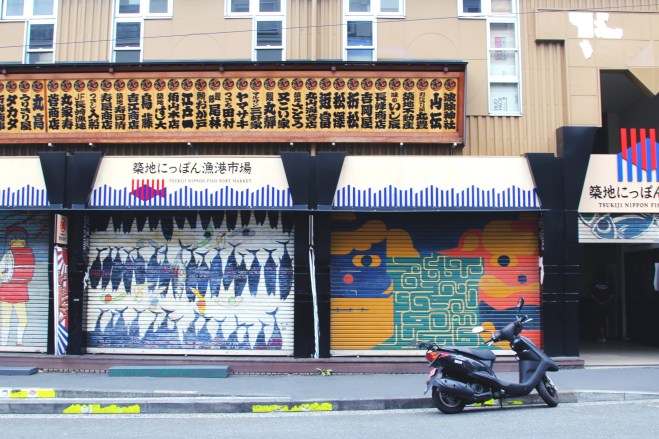
 ^ The commercial streets of the market have a ton of great food stalls, though most are closed for dinner. Another hallmark of Tsukiji is the
 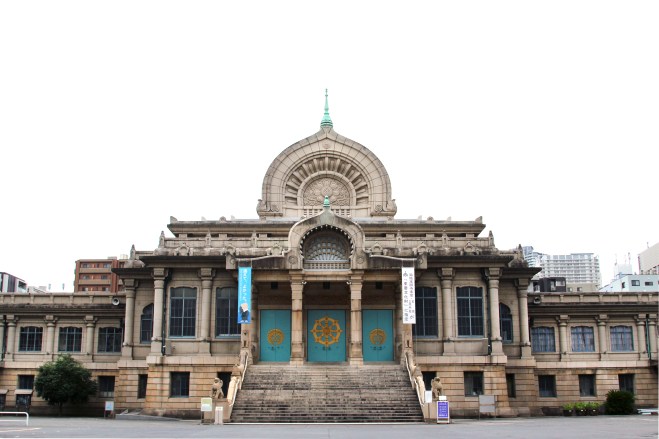 The original temple, built in 1617, was actually located in Asakusa (where the famous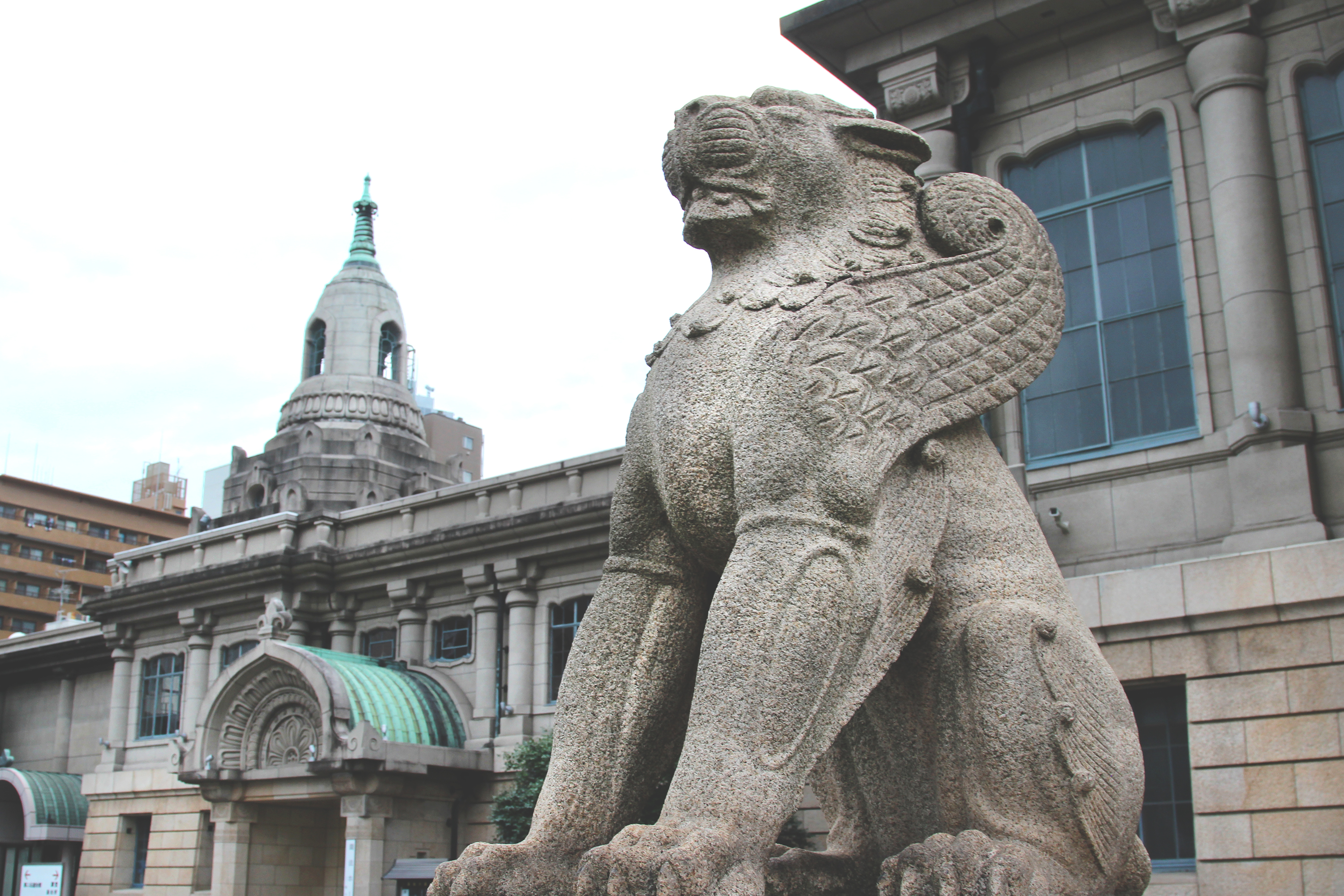
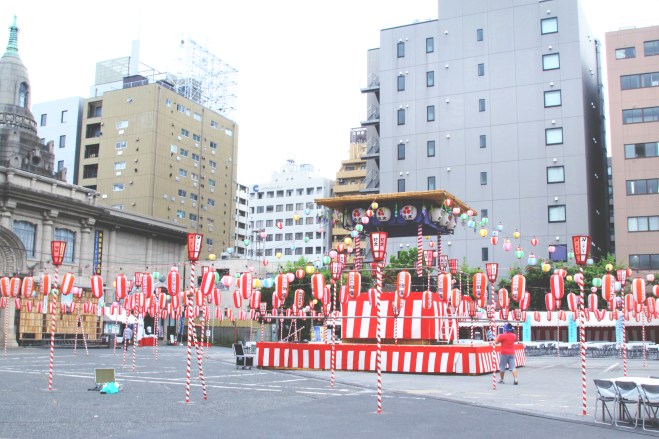
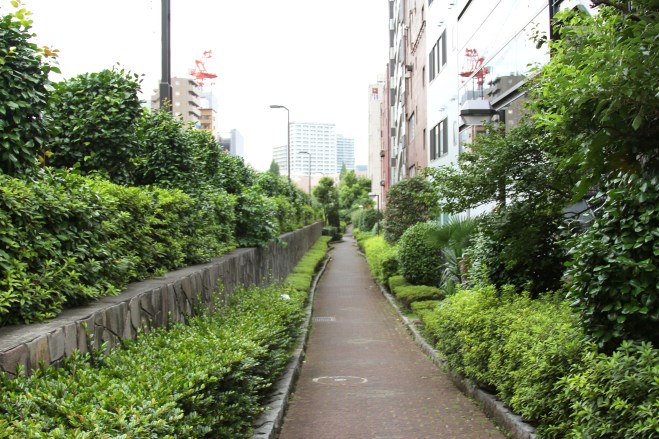 Moving closer to my apartment, we meet the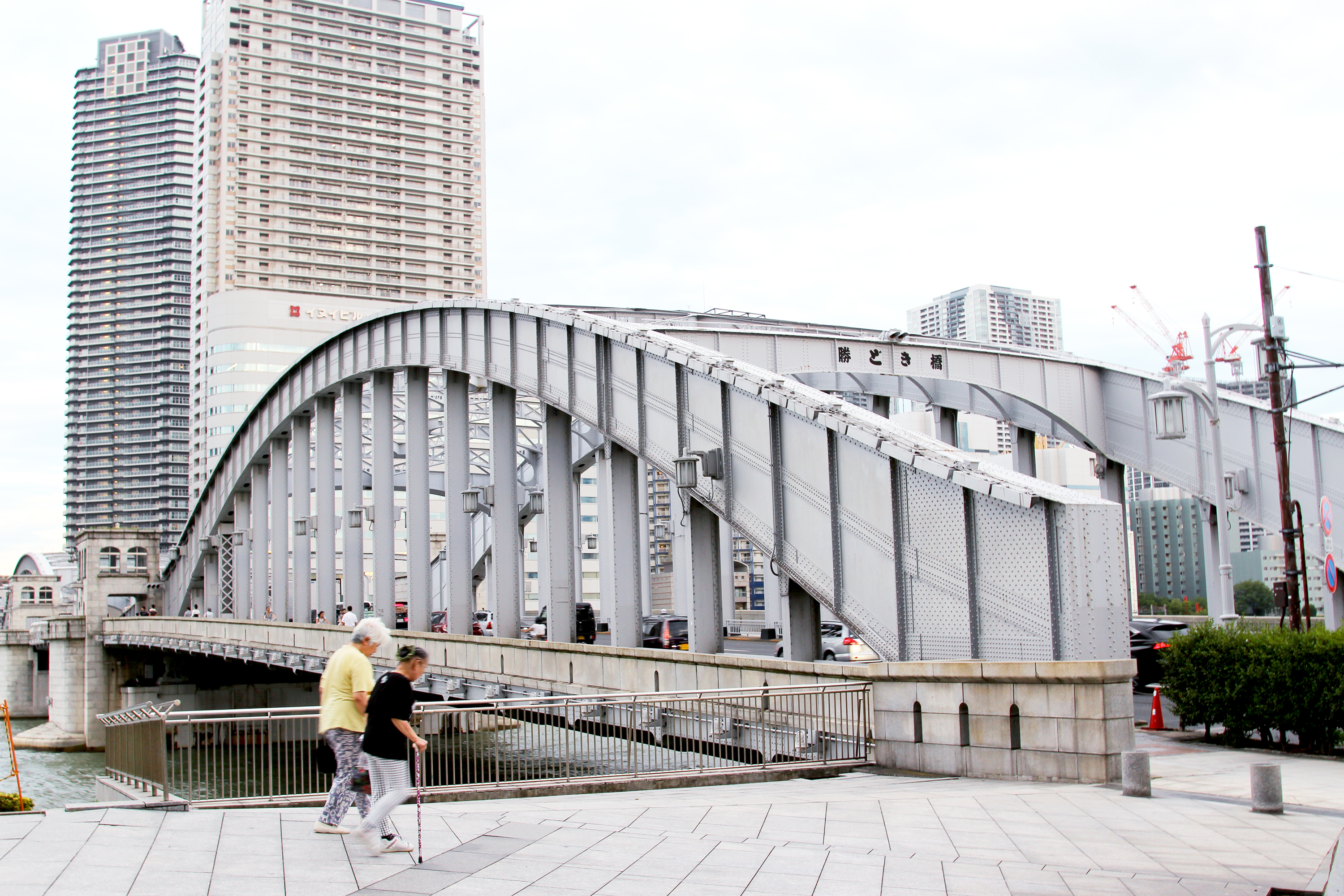
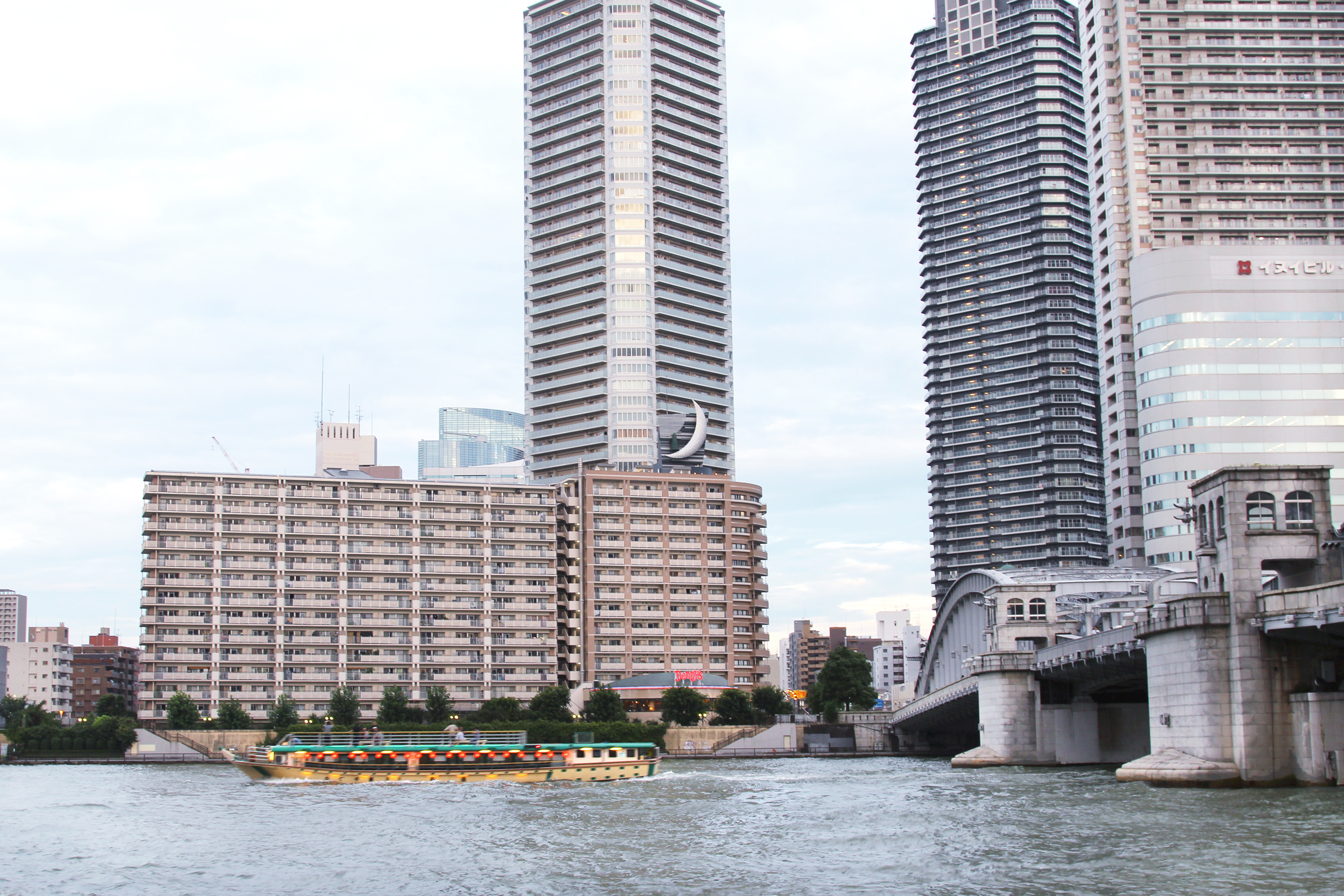
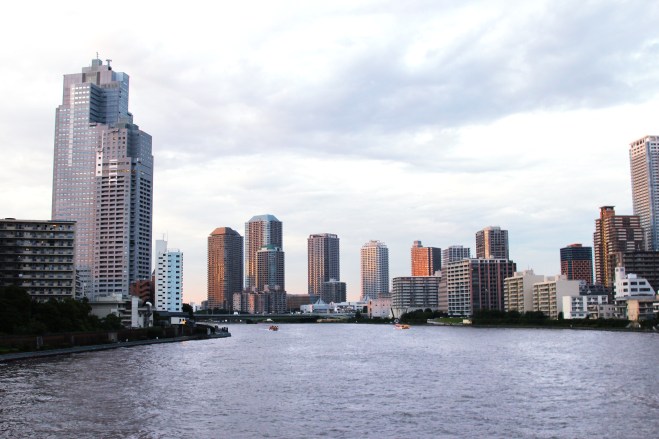 Here’s shot from the fire escape of my apartment, which happens to be right next to a popular fishing spot:
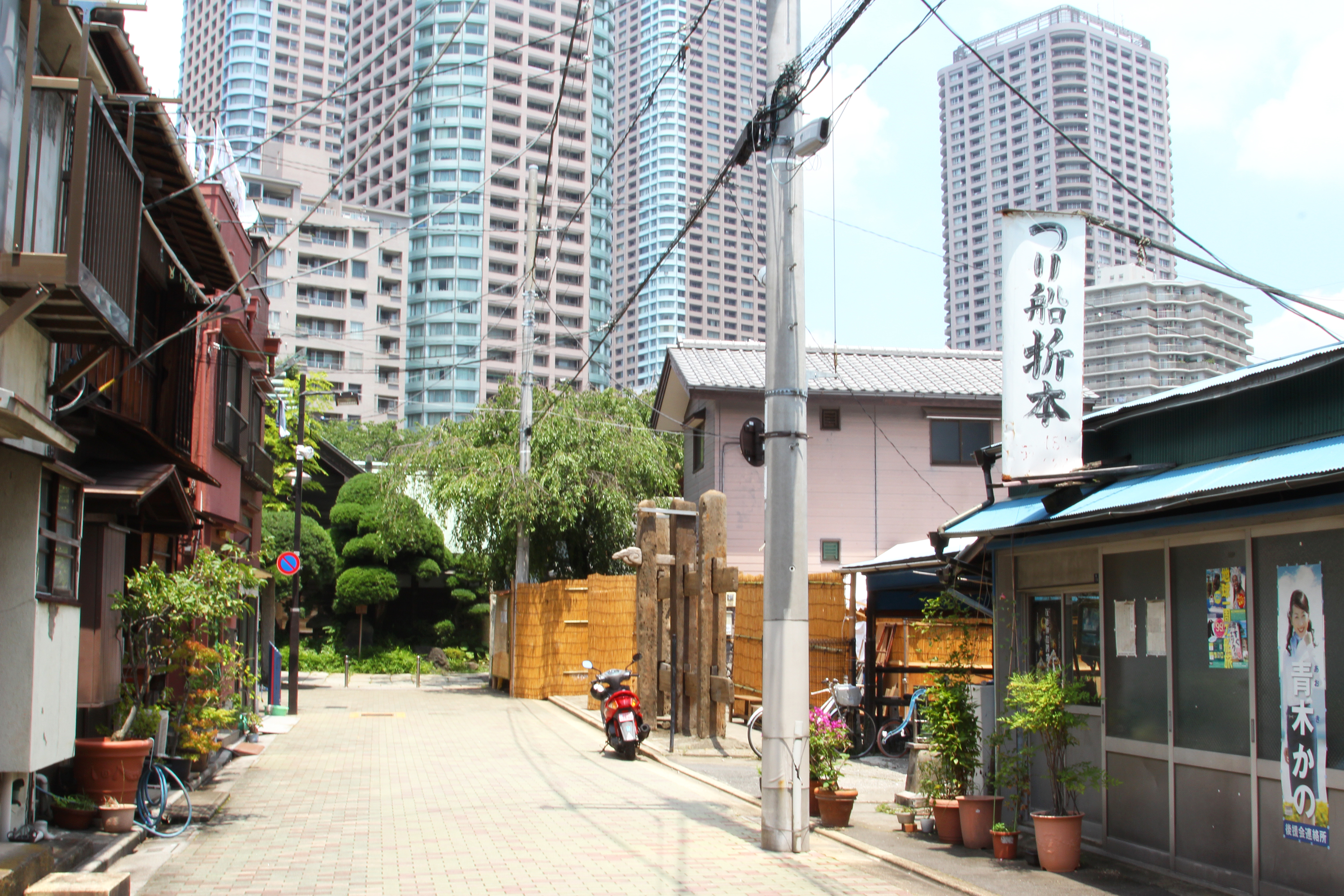
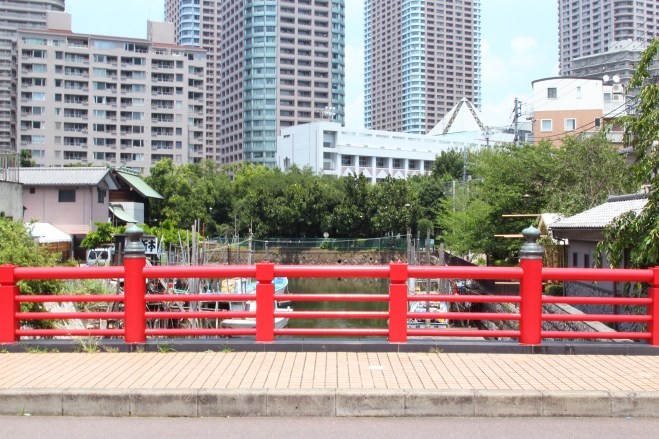 Semi-real life, semi-Miyazaki. Love it.
 The random wooden posts and columns left from centuries ago are probably my favorite:

 Tsukishima is currently most famous for its monja, a type of food that I don’t really know how to explain. This will most likely come in a separate post with visuals, if I stop being such a liar about blog posts.
  Until next time (which will be soon yes it will)!
 Inklings