West Side Tokyo Story

I’m back in Taipei and leaving for New York in two days, but the backlog of Japan photos & thoughts are alarmingly aplenty…

At least I’ll have something interesting to share while stuck on campus.

Today will be dedicated to a virtual tour of the “cool” half of Tokyo in which I did not live — the west side, where you can find the world-famous shopping districts for younger consumers, including Shibuya and Harajuku. That being said, I was mostly looking for ways to waste my money instead of taking photos when I was there, so most of the visuals here are actually from the quieter areas.

Let’s start with Shibuya (渋谷).

I wish I’d taken photos of my favorite food here — gyukatsu (牛カツ, essentially fried sliced steak). For anyone in the area, I highly, highly recommend it.
IMG_3220-1

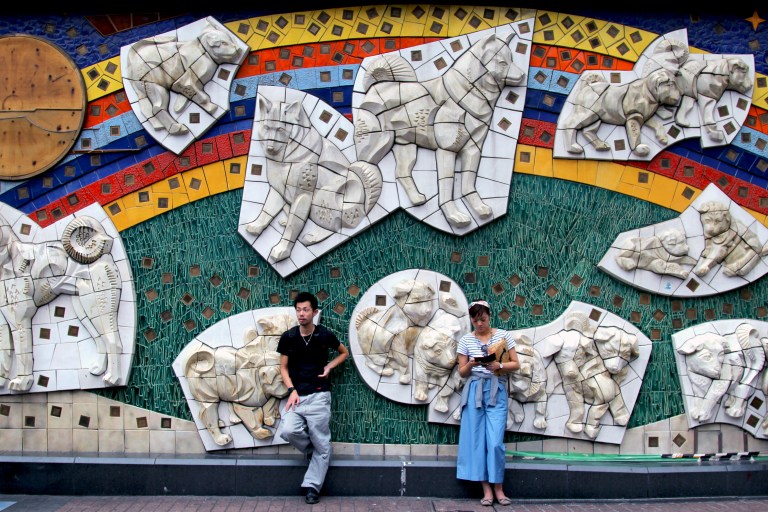
This is, IMO, the trippiest wall in all the land. It’s an artistic/under-the-influence take on Hachiko (ハチ公), the legendary statue of the loyal dog who waited for his dead master at the station every day until his own death. (I will shamelessly admit that I cried a lot while watching the Richard Gere adaptation of this.)

I don’t actually have a photo of Hachiko on my DSLR cause it seemed a little too touristy (I always regret the photos I don’t take while feeling too touristy), but it looks like this. It’s something of a Tokyo cliché to wait for people near Hachiko — you know, following the whole waiting theme — but this is really a horrible idea due to the sheer volume of fellow waiters. Personally, I found the rainbow wall of 3D Hachikos a much smarter alternative. Call it a pro tip, I guess.
IMG_3222-1

IMG_3223-1

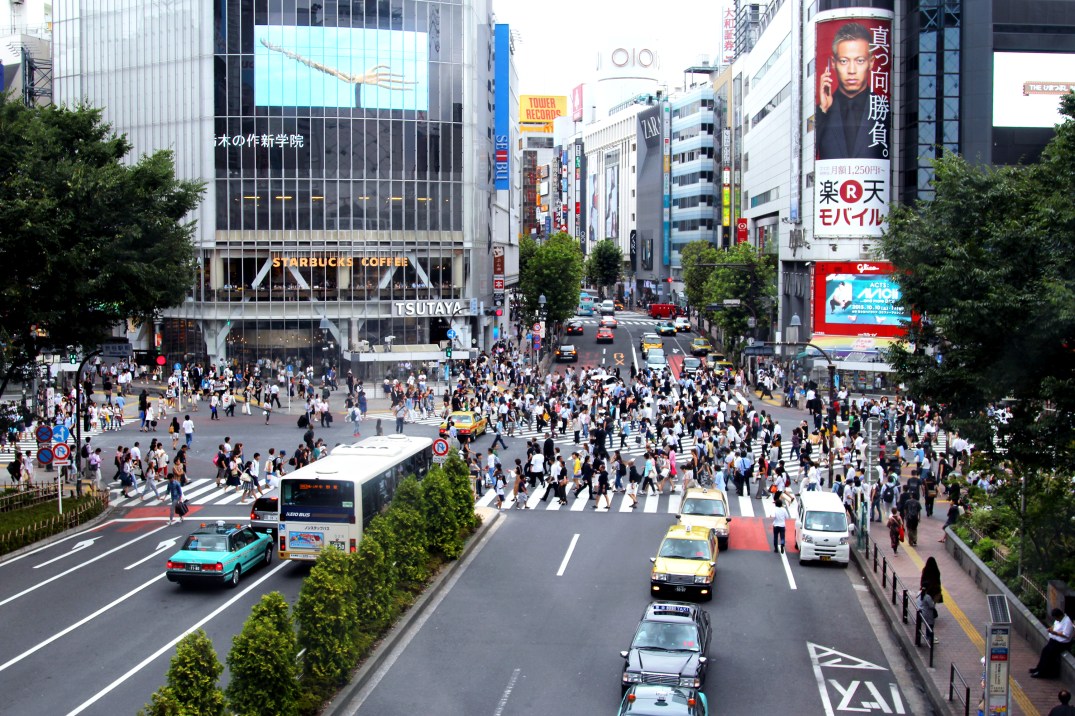
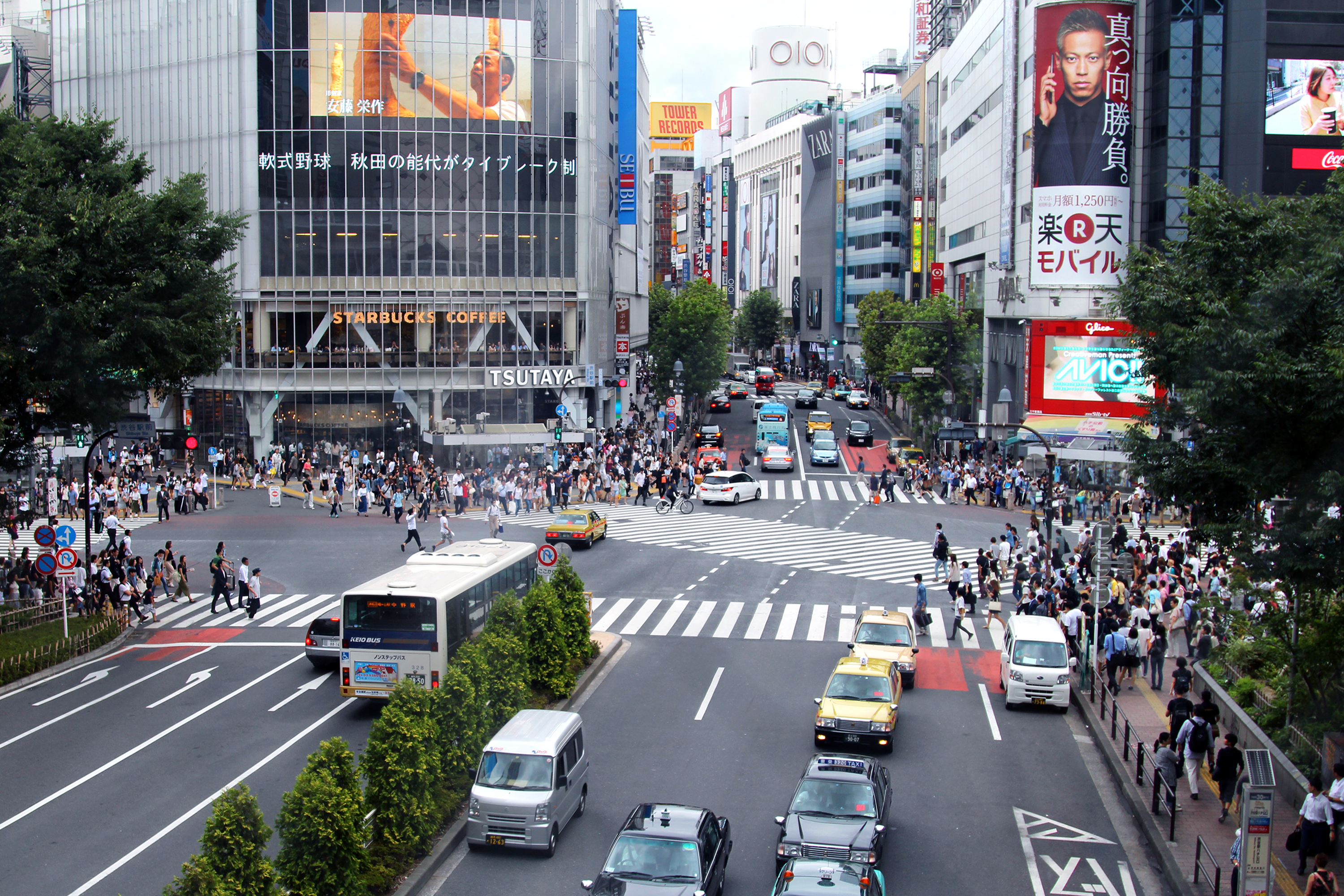
^The famous Shibuya Scramble Crossing. Fun fact #1: this is actually just considered a fairly normal crosswalk in Japan.

Fun fact #2: a lot of people go to the Starbucks pictured above to take photos of the Crossing. I found that the view from the second floor of the train station offers just as good a view for free (you have to buy a coffee to sit at the Starbucks window), plus you get a shot of the famous Starbucks as well.

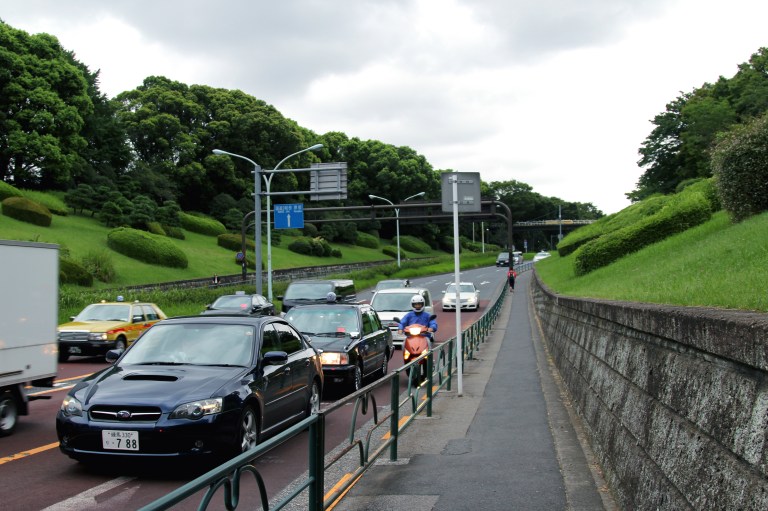
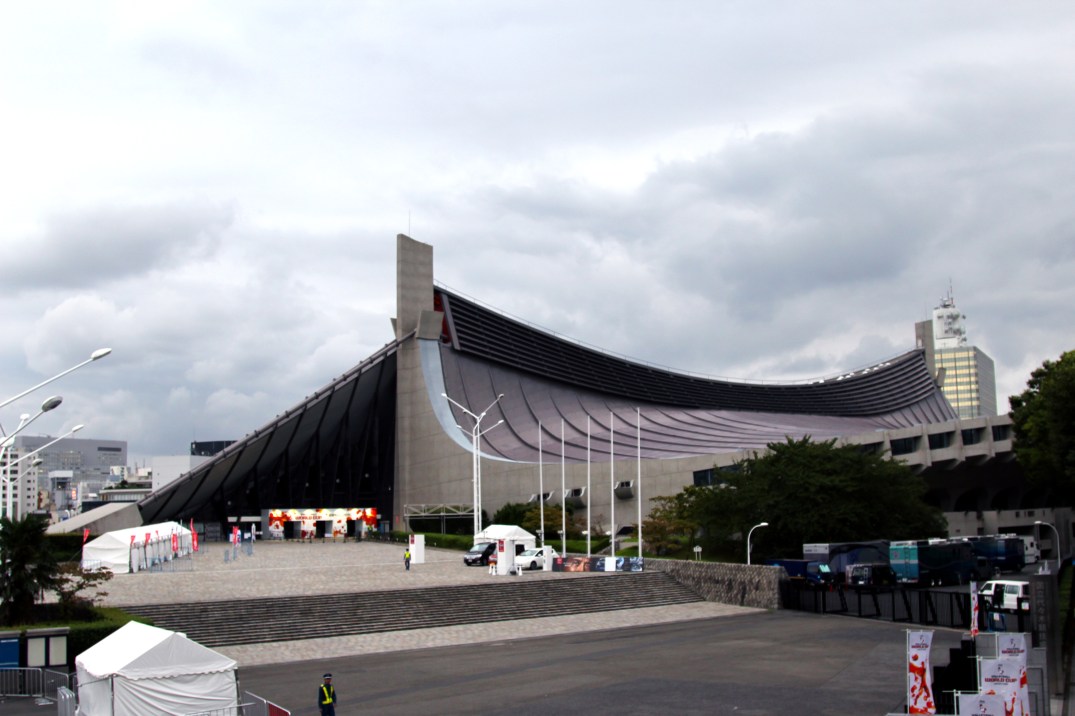
Moving north, we walk through Yoyogi Park and the Yoyogi Stadium (代々木体育館, built for the 1964 Tokyo Olympics):
IMG_3226-1

IMG_3228-1

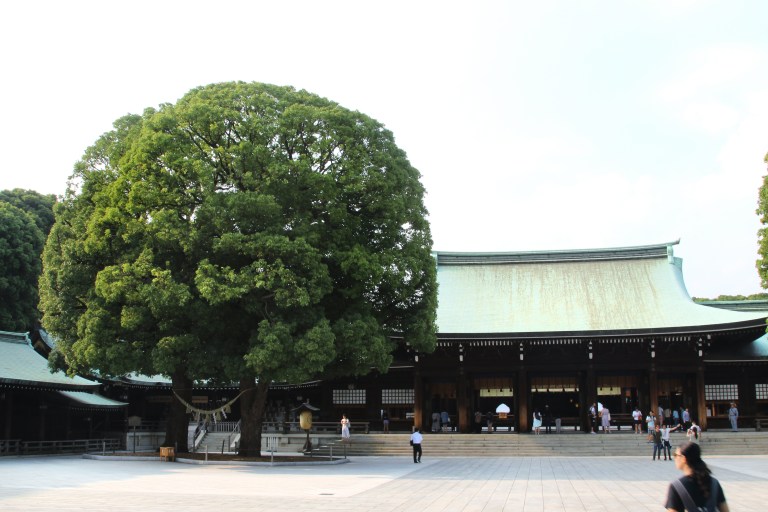
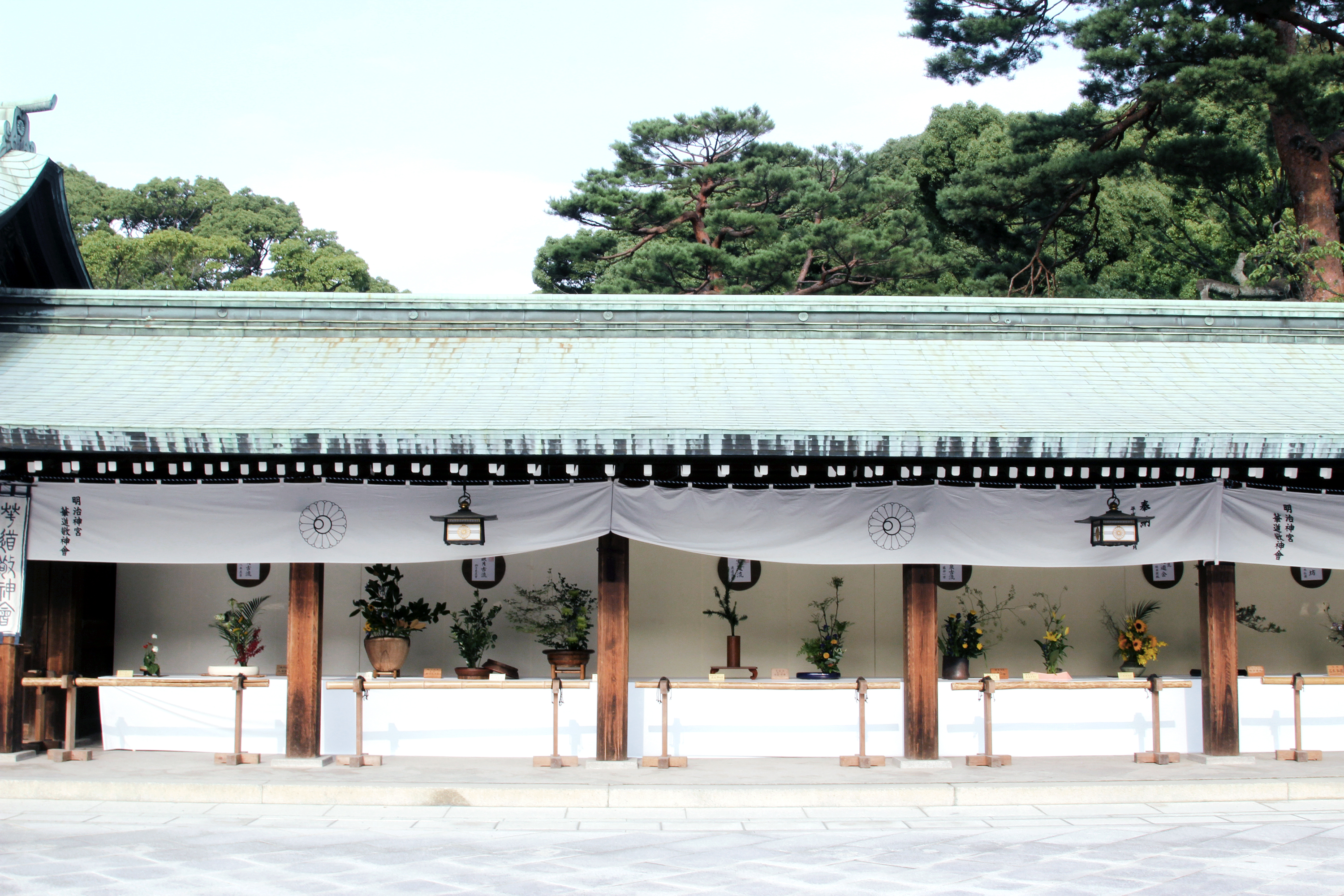
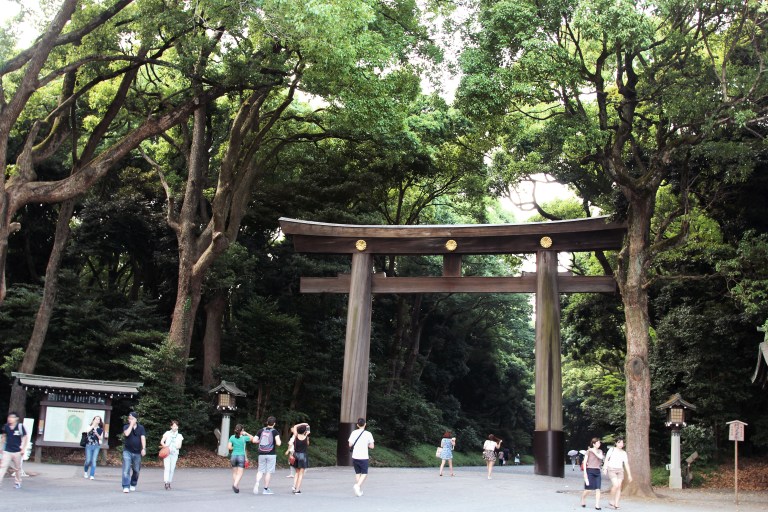
The following is perhaps my favorite section of Tokyo: you can go from historical (Meiji Jingu/Shrine, 明治神宮) to lower-budget fast fashion (Harajuku, 原宿) to high-end lifestyle galore (Omotesando, 表参道) within just a few blocks. With each area fully committing to its own reputation, a stroll uphill becomes a condensed walkthrough of the incredible variety that Tokyo has to offer.

Starting with Meiji Jingu:
IMG_2621-1

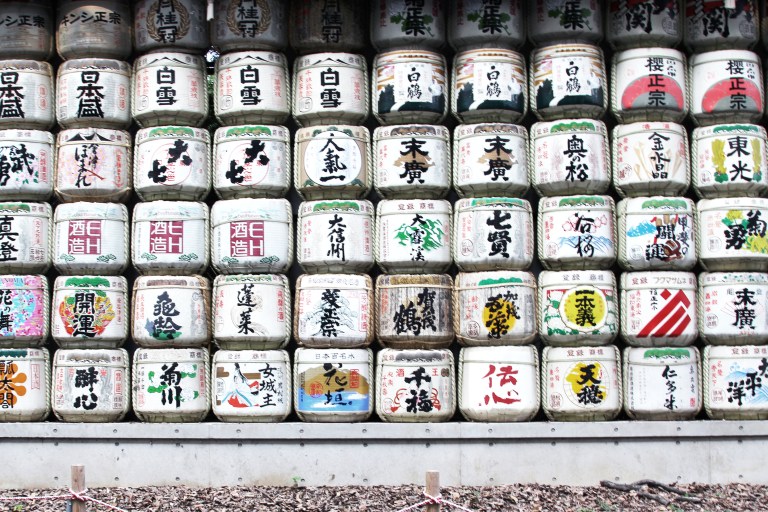
^Let’s just say they really didn’t skimp on this entrance.
IMG_2624-1

IMG_2627-1

IMG_2629-1

IMG_2644-1

IMG_2628-1

IMG_2643-1

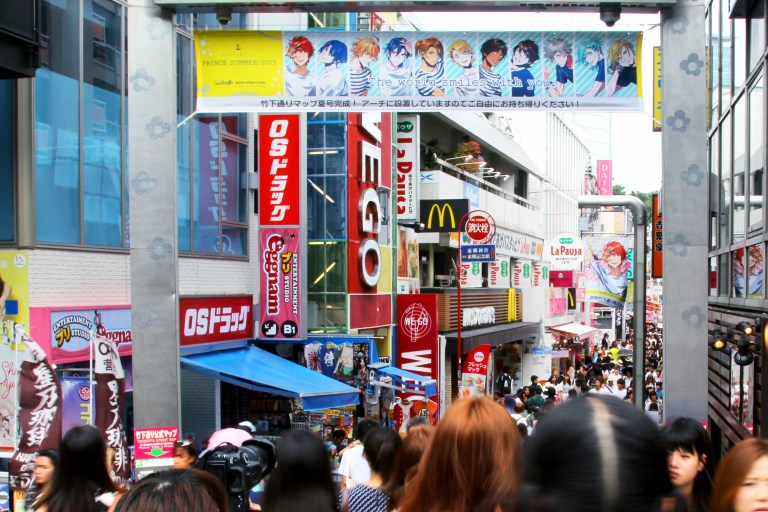
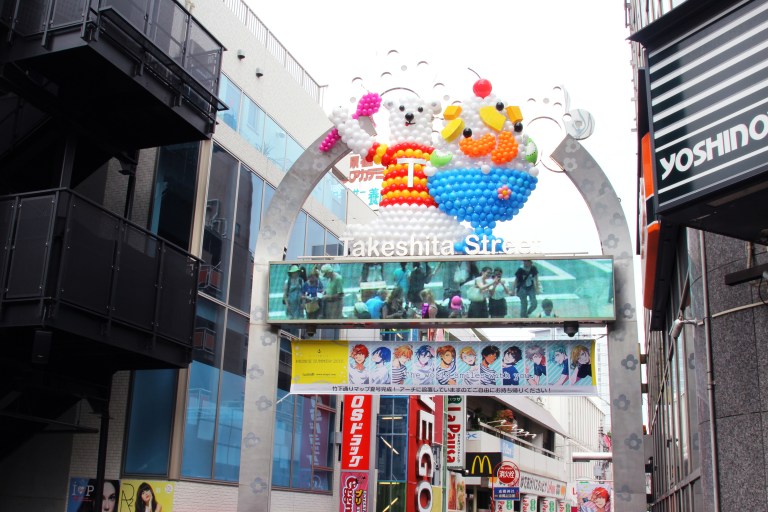
Next up: Harajuku’s famous Takeshita Street (竹下通り), the pedestrian shopping street responsible for Gwen Stefani’s comeback in the mid-2000’s. Given its reputation, I was expecting to spot edgier/weirder fashion here, but at least the few times I went it was just crowded with hip Japanese people, high school kids and far too many tourists. Takeshita’s ungodly density in the hottest months was the reason why I took disappointingly few photos here.
IMG_2614-1

IMG_2616-1

^ Come here on a July afternoon if you want to learn to hate people.

IMG_2618-1

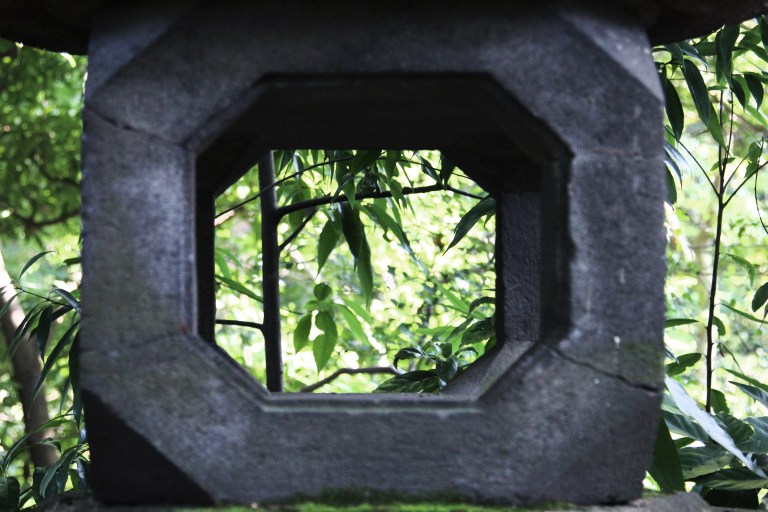
And now onto Omotesando! In short, it’s a fashionable, overpriced area — with many surprises. For instance, the Nezu Museum (根津美術館) with a small but instructive collection of traditional East Asian art, lovely architecture and most important, a huge sculpture garden smack center in one of the priciest neighborhoods in town.

Photos aren’t allowed inside the museum, but are a-okay in the garden.
IMG_3057-1

IMG_3083-1

IMG_3065-1

IMG_3068-1

IMG_3071-1

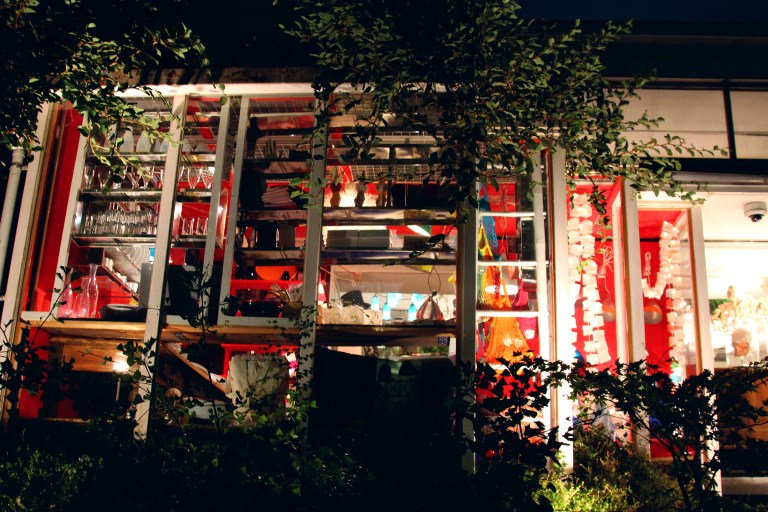
And now for some nighttime fun in Omotesando.
IMG_3229-1

IMG_3230-1

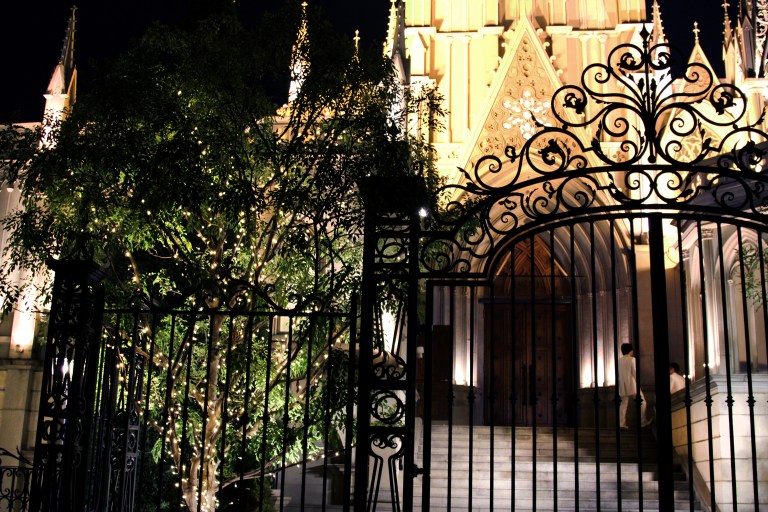
^ This looked too new to be a “real” church, so I think it might just be a chapel for irreligious wedding ceremonies with fairytale aspirations. I might be wrong. Regardless, ’twas a looker at night.

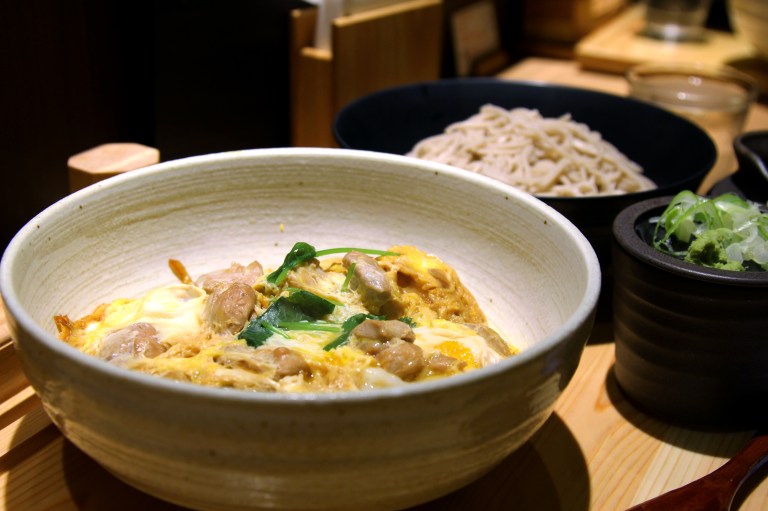
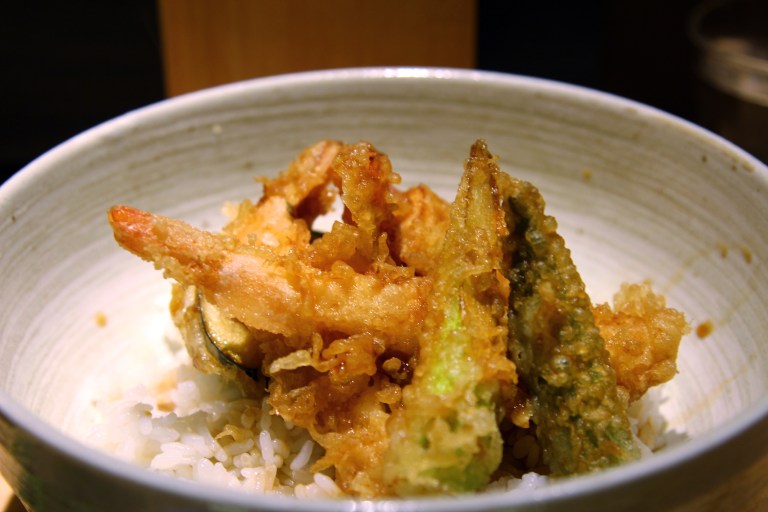
Kind of accidentally came upon a seemingly popular soba place, where I proceeded to not order soba. Because YOLO and you can eat soba many times during that one lifetime. Anyway.
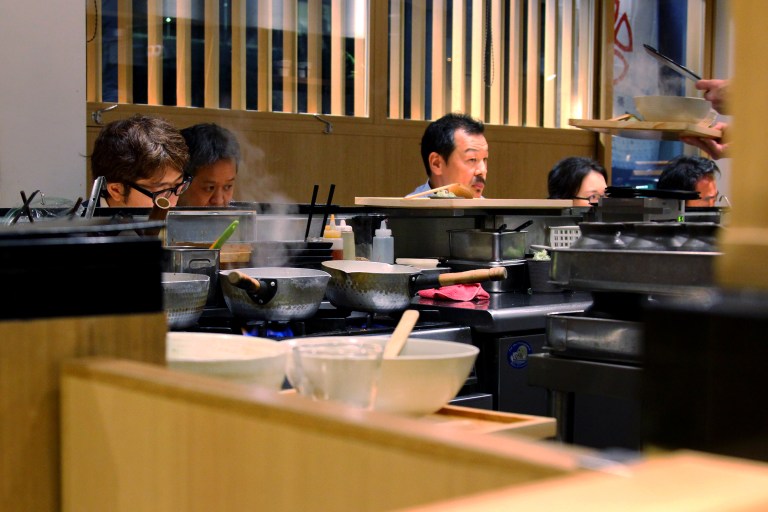
IMG_3236-1

IMG_3234-1

IMG_3233-1

^ My ten-don (天丼) and my friend’s oyakodon (親子丼) and soba (!!) combo.

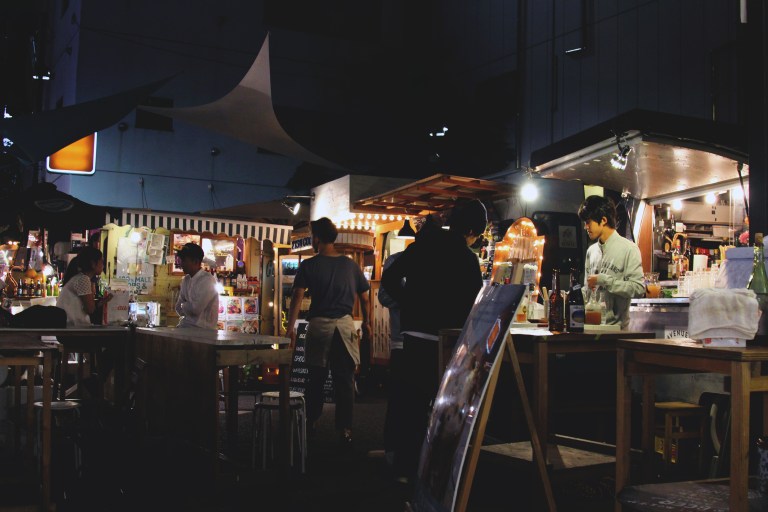
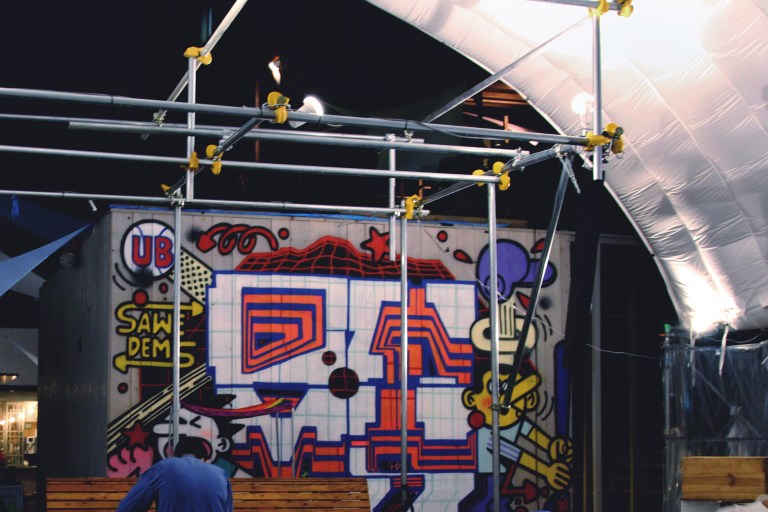
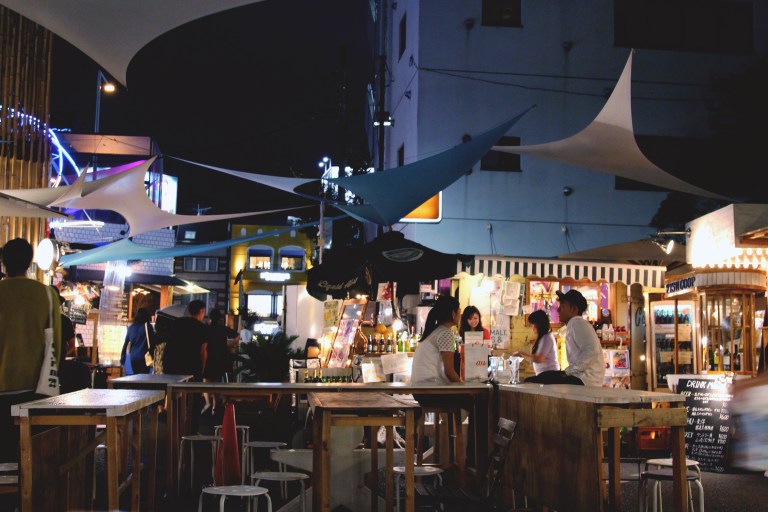
The final stop of this too-long post is Commune 246, an outdoor food truck, drinks and live DJ space randomly lodged in an alley. The food isn’t pricy at all, and one of the DJ’s mixed 70’s/80’s Japanese funk/pop with great beats. It’s a great spot both for frolicking with friends and people-watching, if you’re into checking out people cool enough to pull off sandals-and-socks with grace.
IMG_3247-1

IMG_3240-1

IMG_3241-1

IMG_3238-1

Thanks for sticking around! Until next time.
Daikanyama, Ebisu

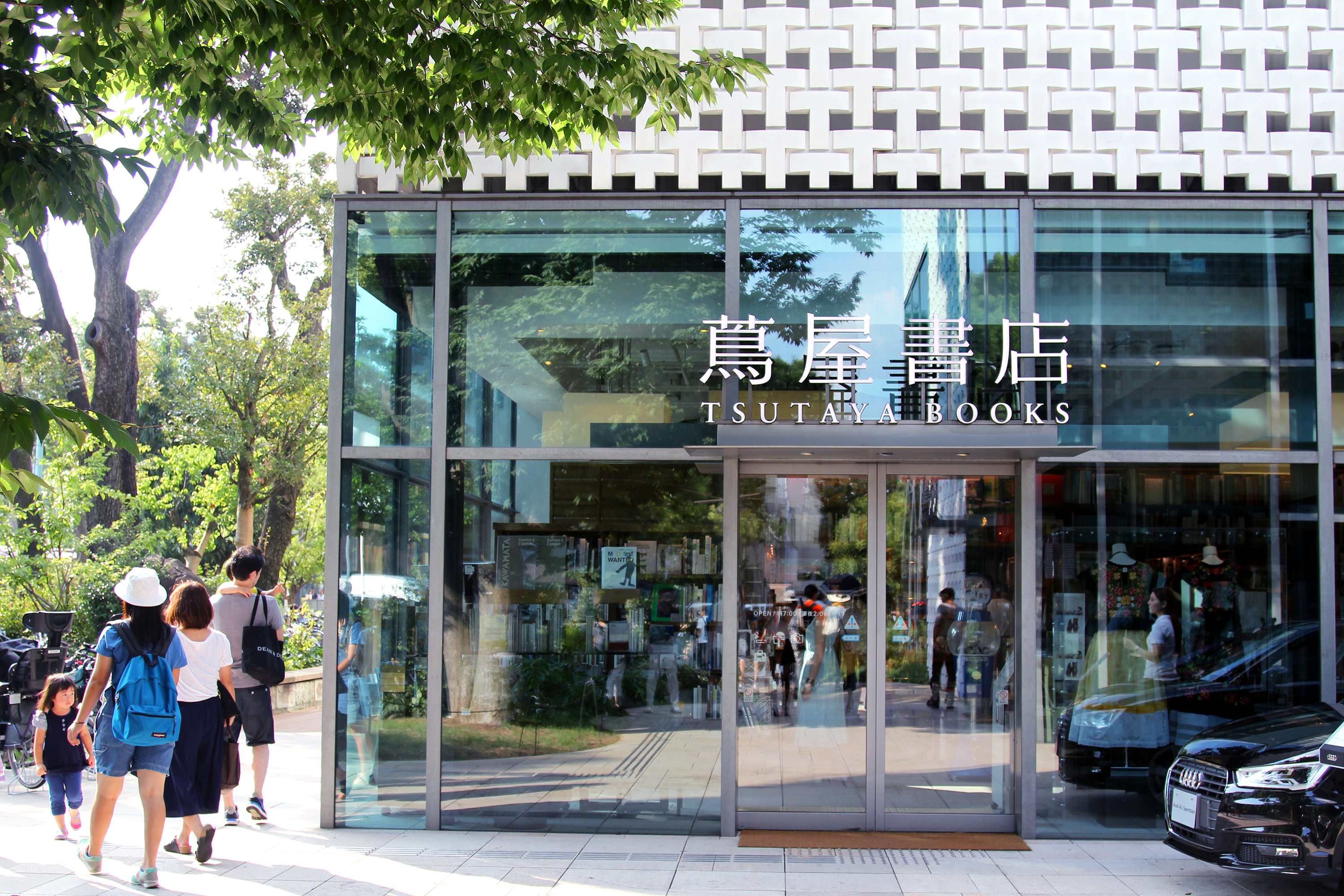
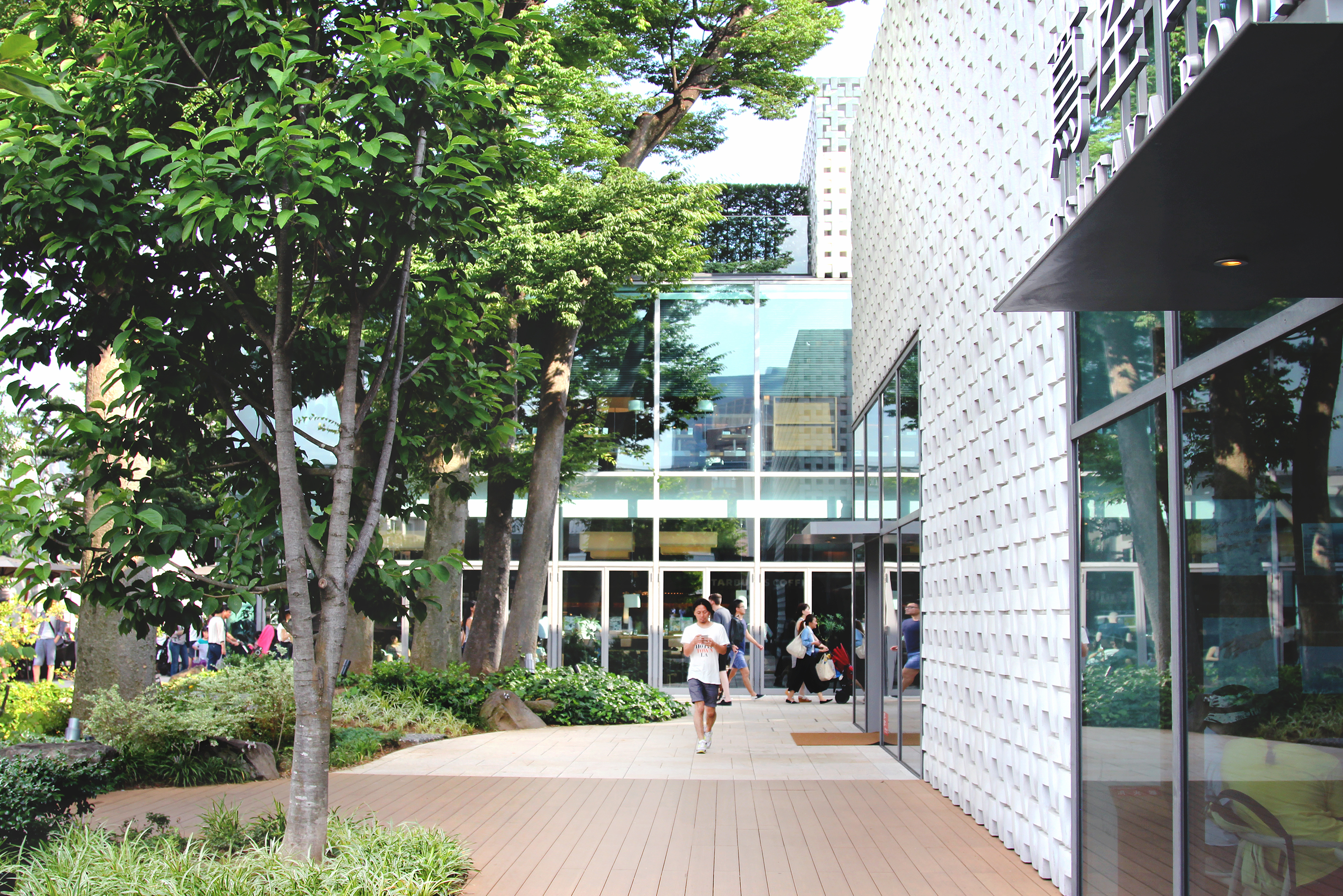
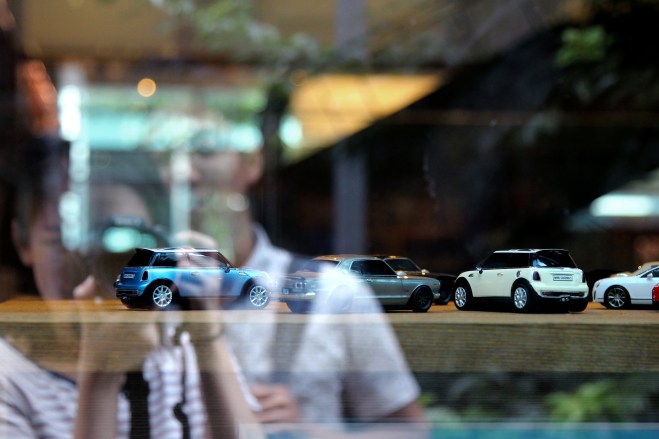
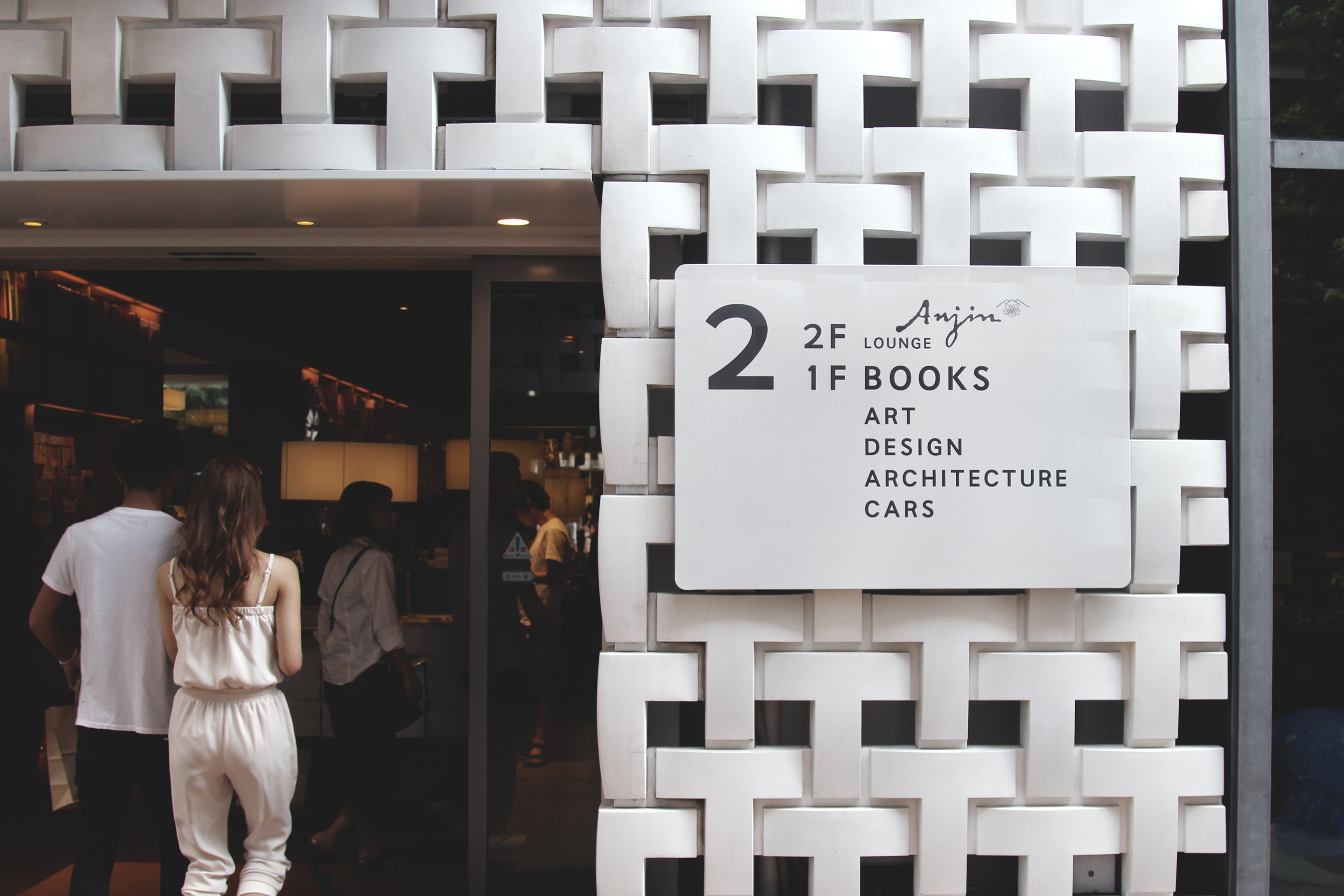
This post isn’t about anything literary, but it is largely about books. A couple of weeks ago, I visited one of the most famous bookstores in Tokyo/Japan — Tsutaya Bookstore (蔦屋書店) in Daikanyama. Tsutaya is a fairly ubiquitous chain, but this is their fancy-shmancy flagship store, with a cluster of small buildings and separate sections for books, records/CDs, DVDs, souvenirs, a poppin’ Starbucks, and a couple of lovely-looking restaurants.

IMG_2811-1

IMG_2804-1

IMG_2808-1

IMG_2801-1

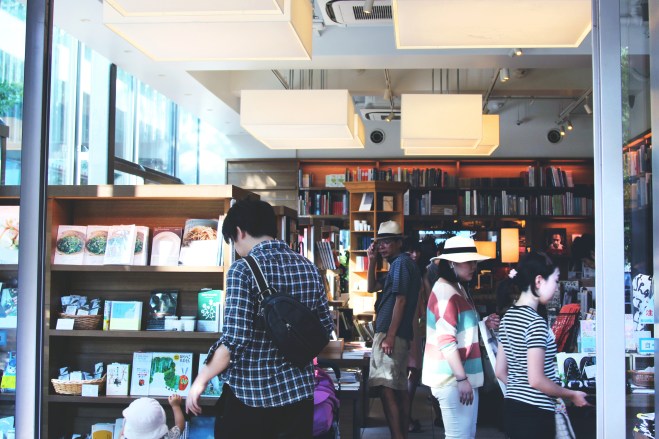
I wasn’t allowed to take photos inside the store, but I promise it’s really nailed that hip haven vibe. Highly recommended if you’re in town.

IMG_2799-1

IMG_2812-1

IMG_2802-1

^ This woman told her boyfriend she was posing for the camera.

IMG_2815-1

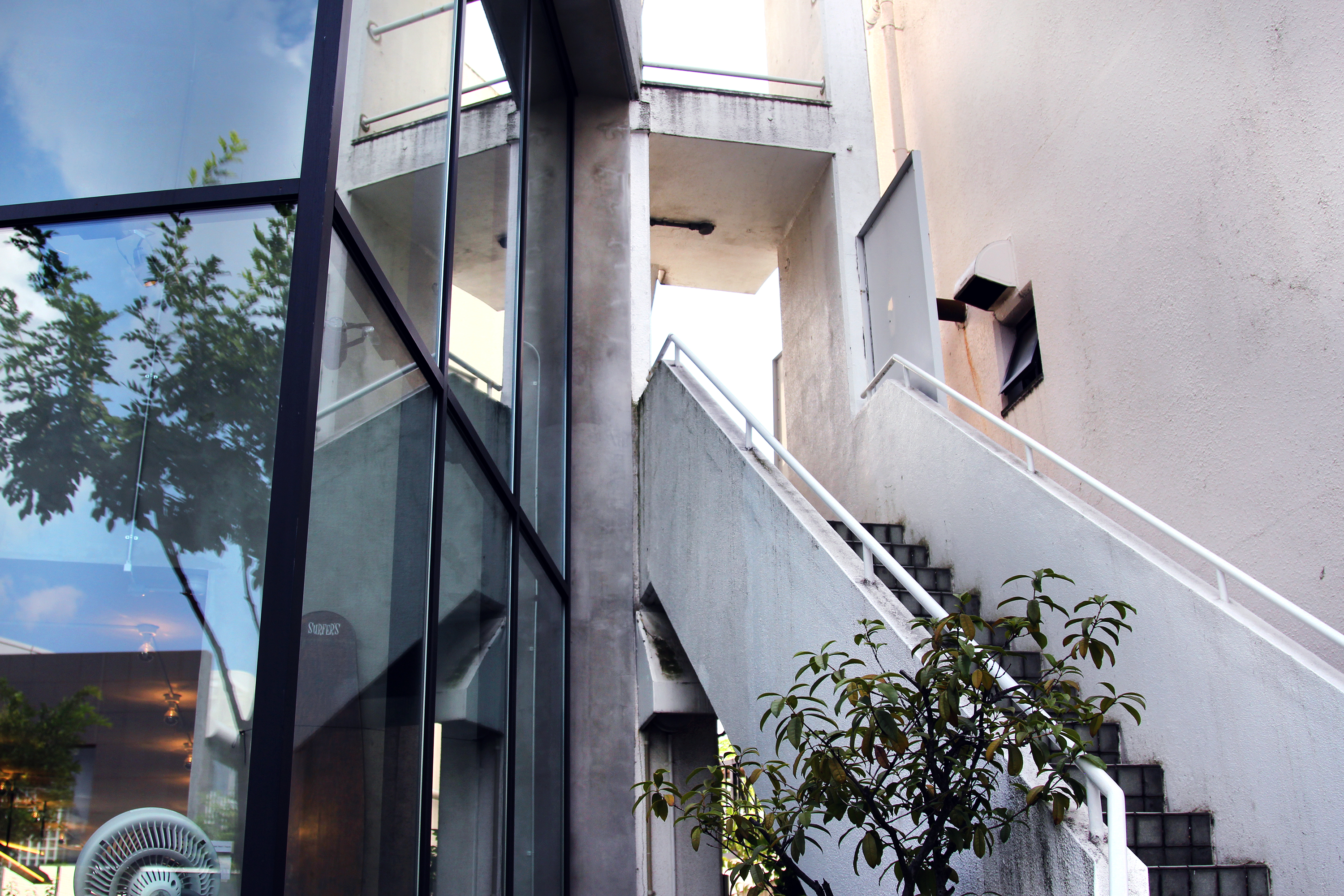
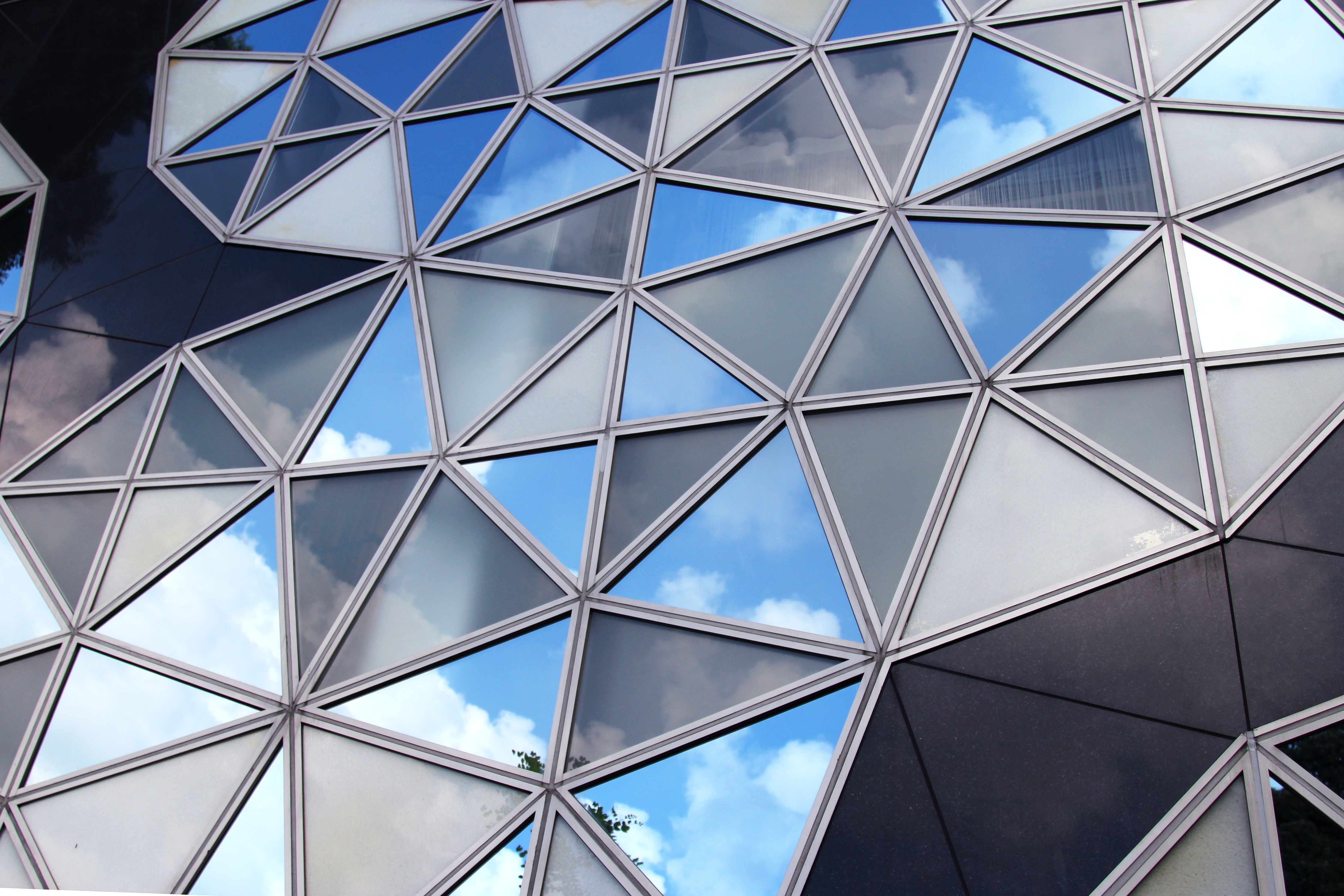
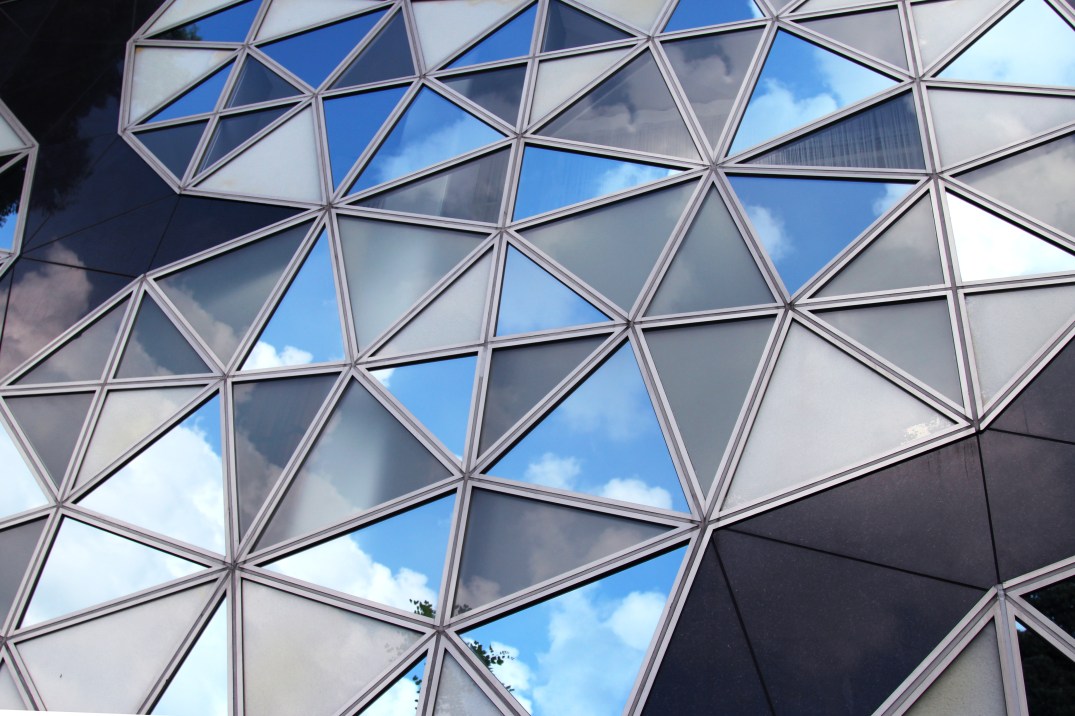
The surrounding area was also stunning. One thing I’ve noticed about really artsy-chic places in Tokyo is that entire neighborhoods seem to make pacts to color every building white and grey. This is also true for Omotesando. Needless to say, as someone who has a compulsive need to make all my possessions monochrome, I thoroughly enjoyed the view.

IMG_2830-1

IMG_2824-1

IMG_2816-1

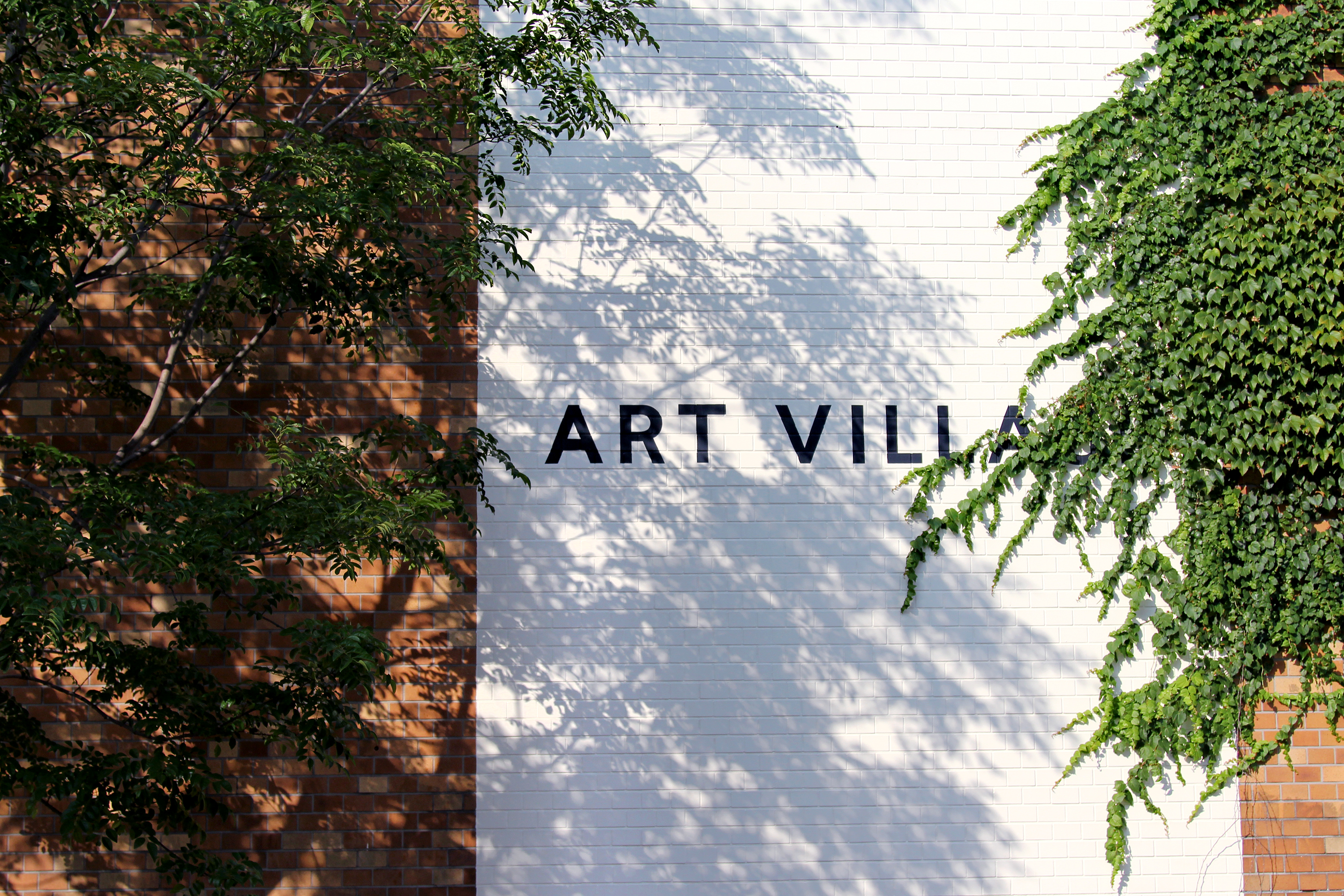
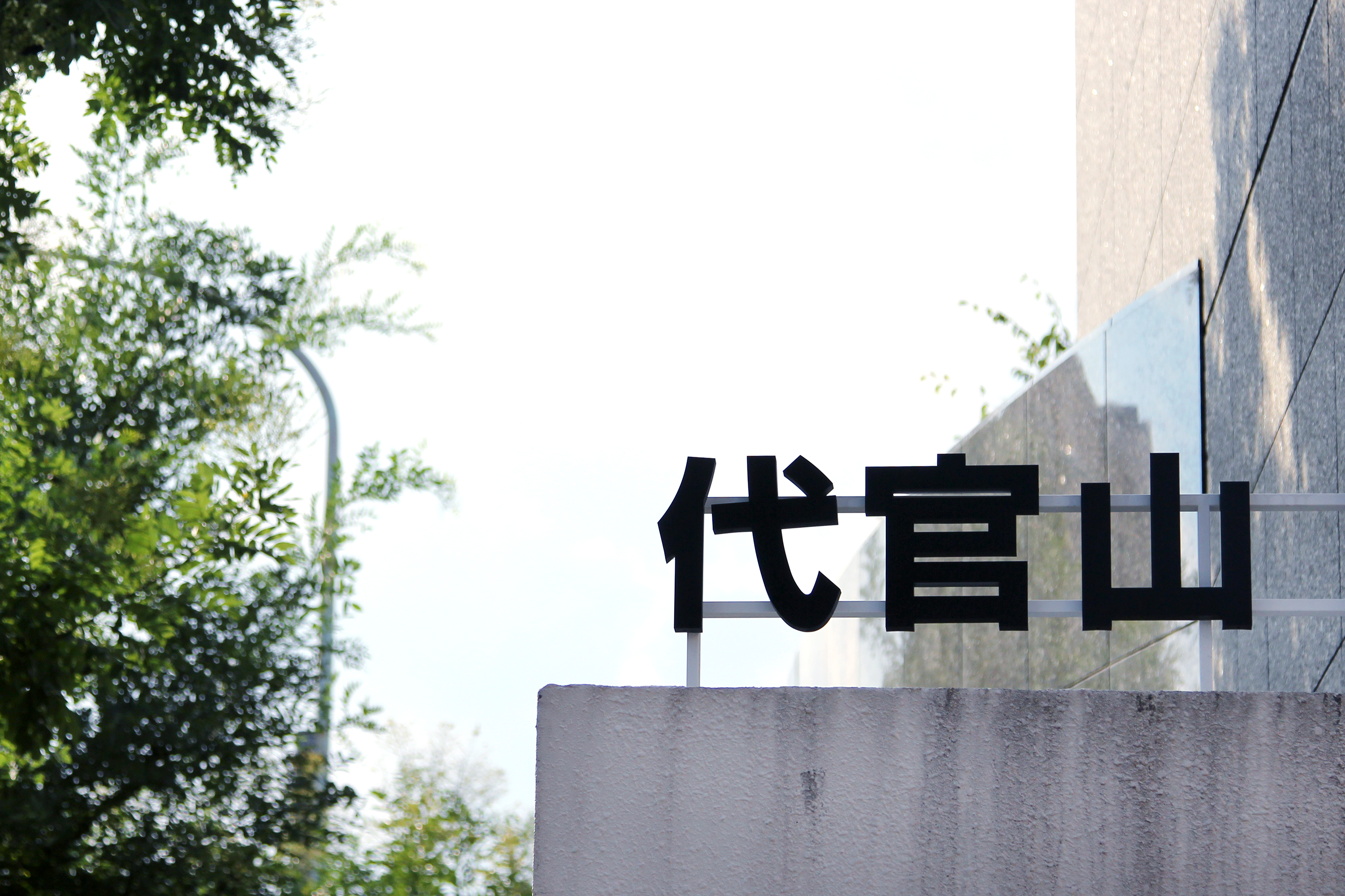
Daikanyama (代官山) is, if it wasn’t obvious from the photos, a pricier area filled with architecture and shops that would send any design enthusiast squealing off into its white-walled alleys. That is to say, one of the curators at the modern art museum where I work told me he know the area like the back of his hand, if that gives you a better sense of its target consumers.

IMG_2818-1

IMG_2817-1

IMG_2821-1

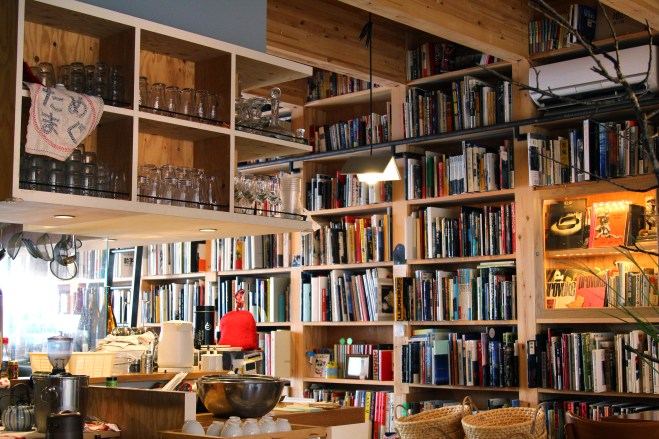
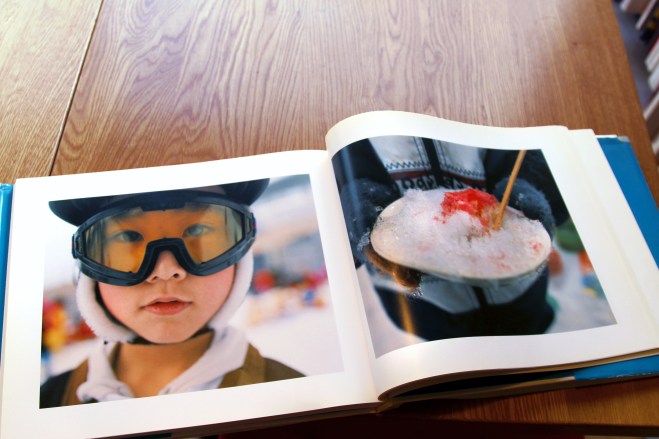
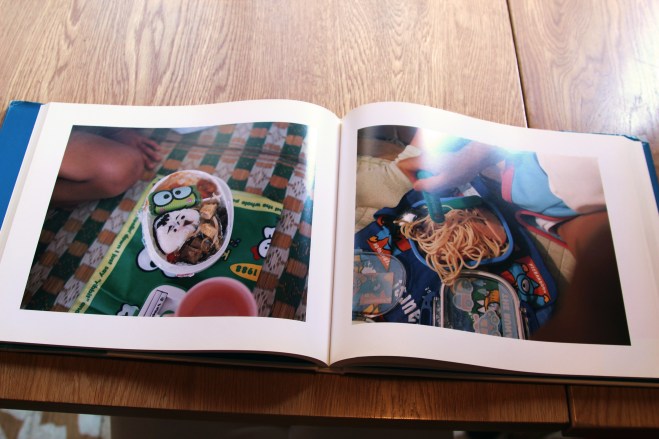
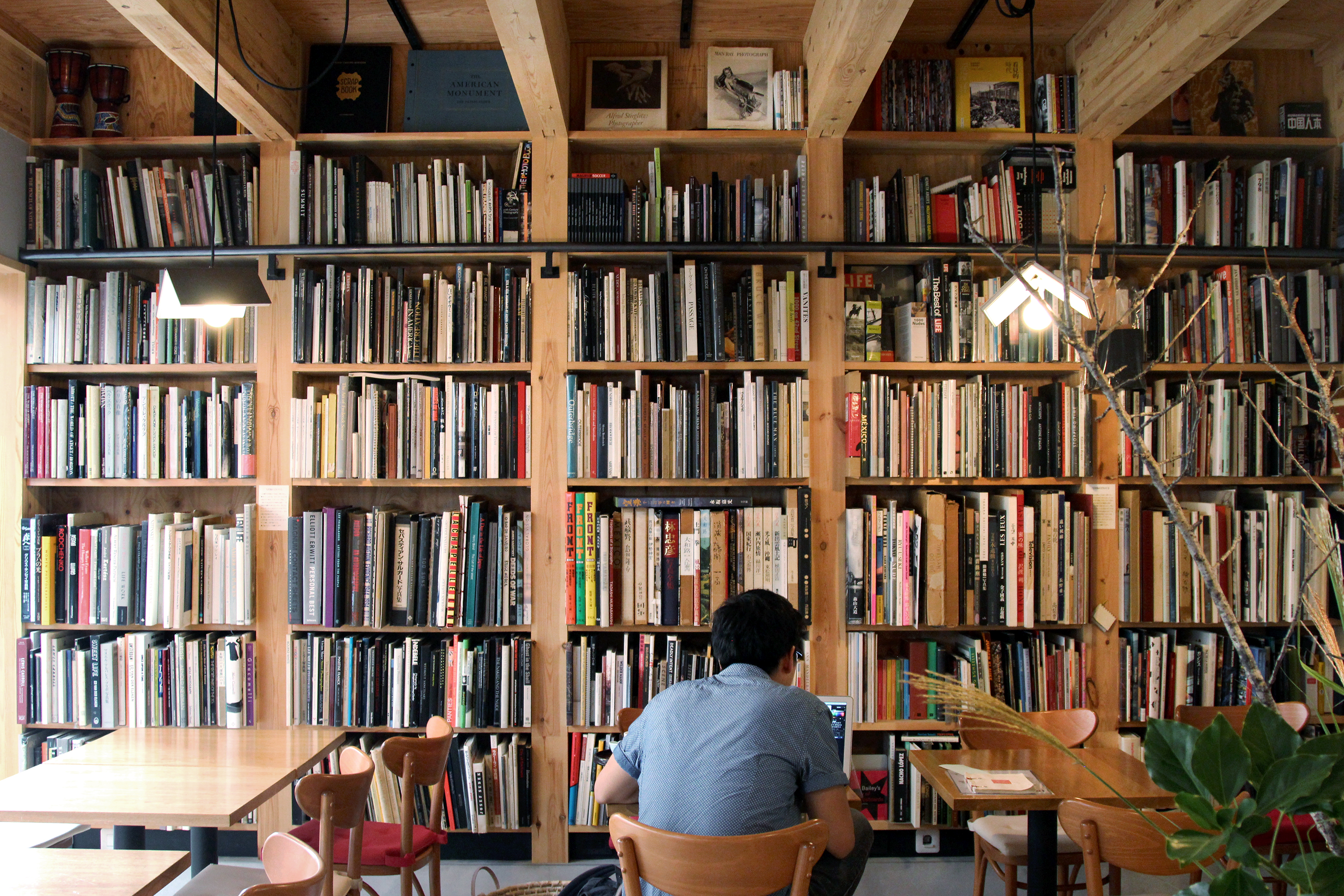
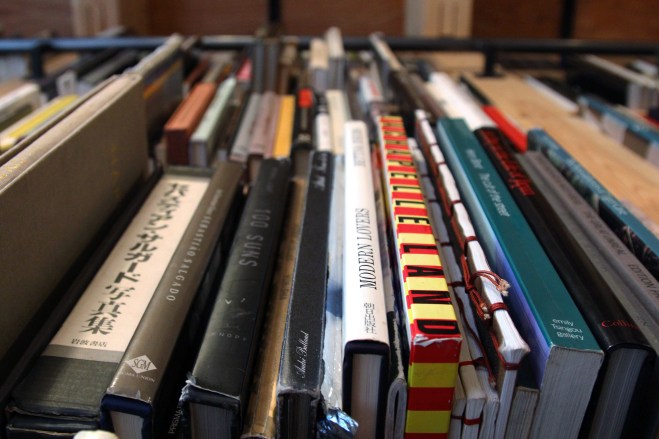
Next stop: nearby Ebisu (恵比寿). A très savvy friend of mine recommended a photography book cafe/restaurant called Megutama (写真集食堂 めぐたま), with over 5000 photo books collected by famous photography critic Kotaro Iizaka (飯坂耕太郎) available for browsing. It’s a great concept that’s been beautifully executed, but the place really could have used a bit of background music. If it were up to me, some female vocalist bossa nova.

IMG_2935-1

IMG_2960-1

IMG_2967-1

^From a collection called Now (いま) by Jin Ohashi (大橋仁) that I loved.

IMG_2978-1

IMG_2949-1

IMG_2945-1

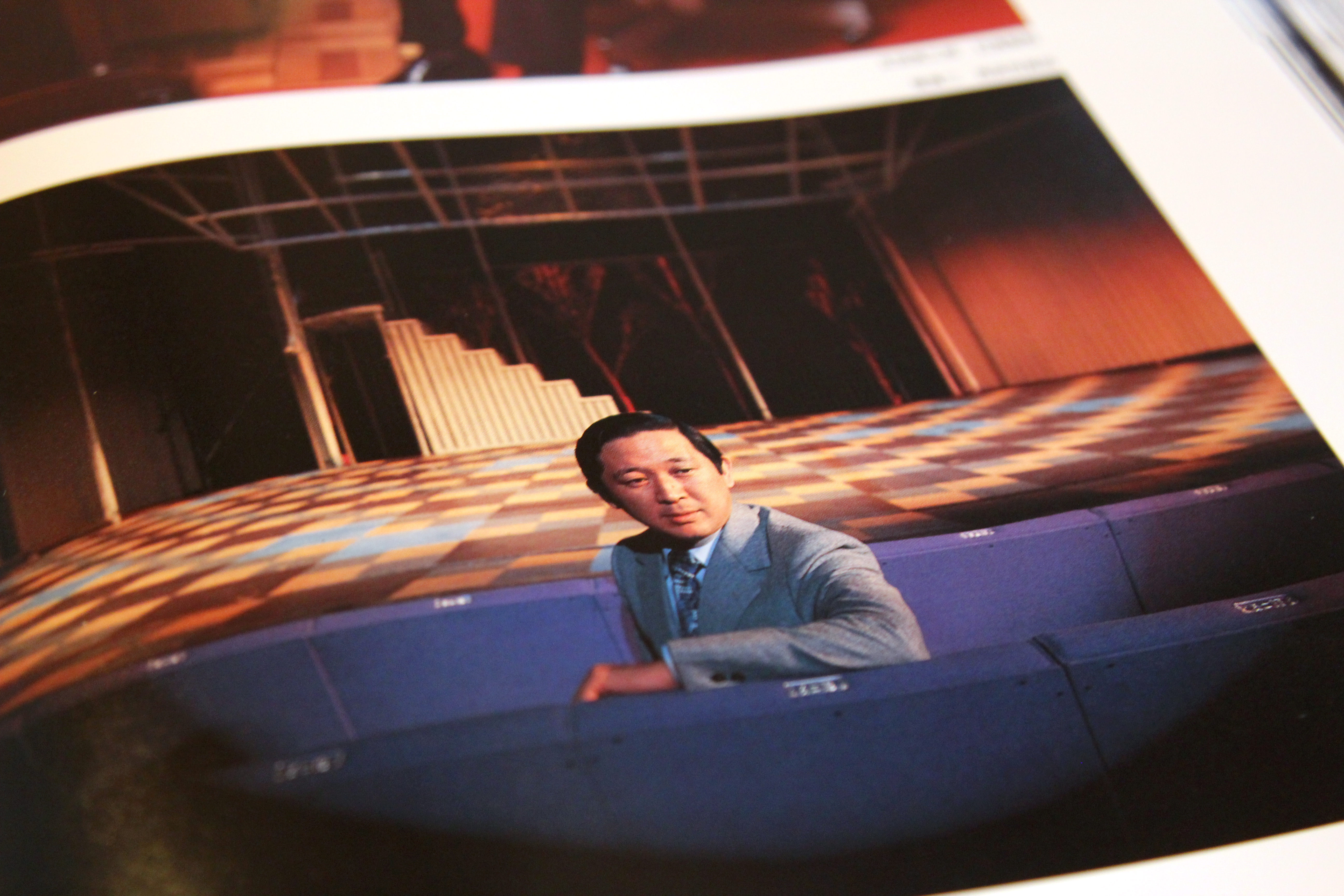
^Found a photograph from the 70’s of the founder of my company, Seiji Tsutsumi (堤清二), who was also a famous author under the pseudonym Takashi Tsuji (辻井喬). For the first half of July, my job was to do research about his life and convert the information into bibliographies and timelines. A little starstruck to be honest.

IMG_2983-1

So that about sums it up! It’s a quiet place with delicious food that’s open from lunch to dinner without break. Highly recommended for all photography lovers/aspiring hipsters. (English website available here.)

Dragon Boat Riverside Tour

I mentioned the Dragon Boat Festival in a previous post without at all explaining what it is. The Festival, known as 端午節 (duan wu jie), falls on May 5 of the lunar calendar. It is of Chinese origin and is celebrated a little differently in Hong Kong, Taiwan, and various parts of China. It also has its modified derivatives in Japan, Korea, and Vietnam.

In Taiwan, we have quite a few traditions surrounding this national holiday, the most widespread of which is probably eating 粽子 (zong zi, which apparently is called “sticky rice bun” in the Western World, though that nomenclature really doesn’t do it justice). There are, again, many variations of this, but it’s essentially fillings wrapped in “sticky” rice, all wrapped in bamboo leaves. In Taiwan, it’s typically in more of a chubby pyramid shape, and the fillings usually include stir-fried mushroom, salted duck eggs, tiny dried shrimp, and pork. (I had about 5 of these during the holidays but managed not to take any pictures. Sorry.)

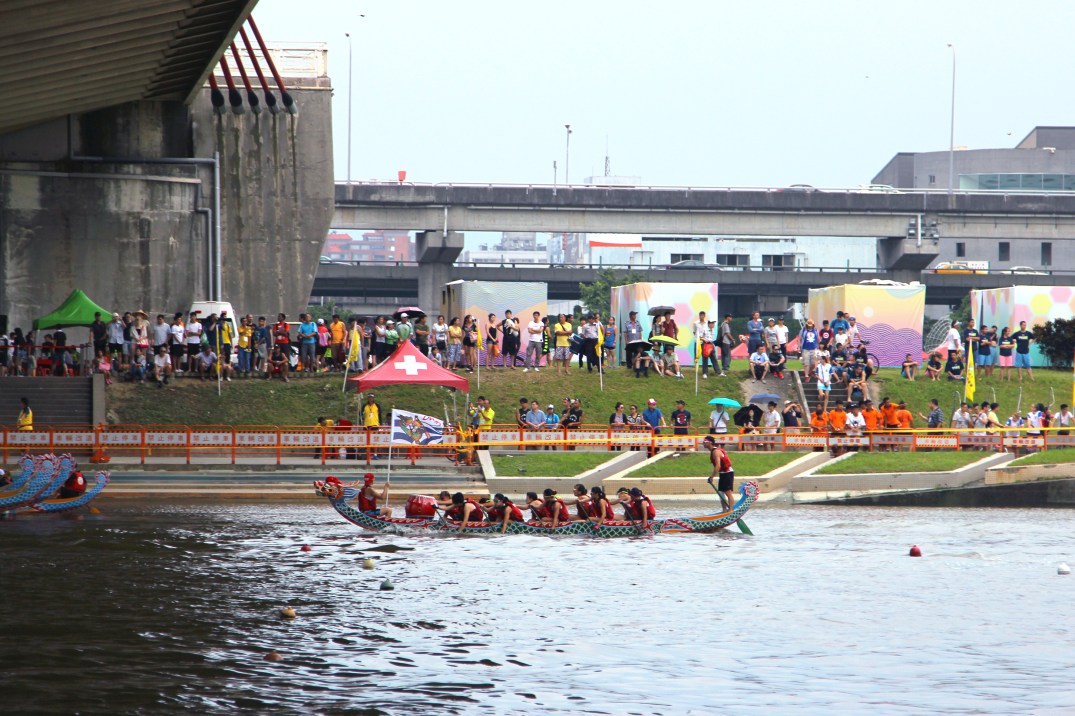
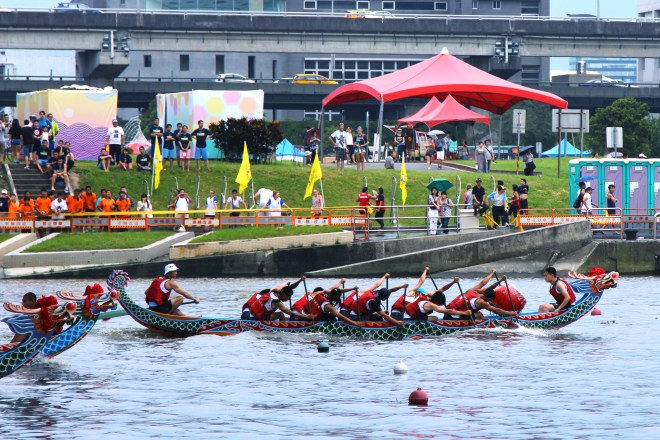
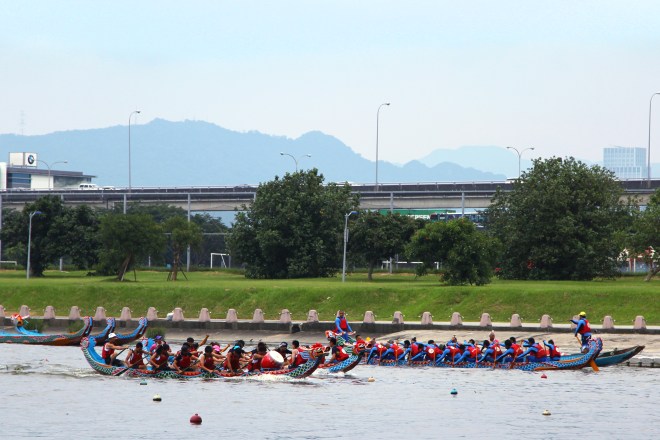
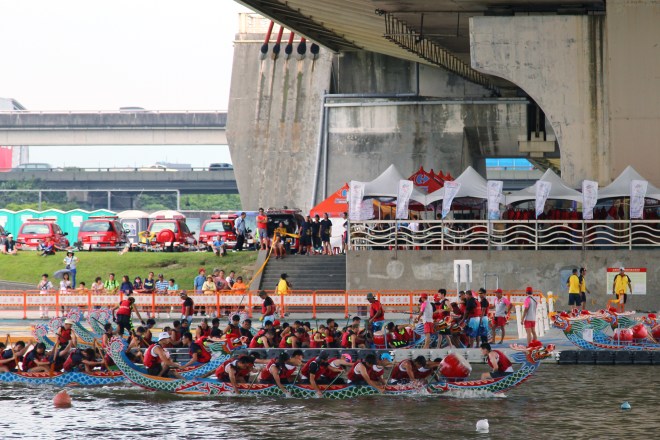
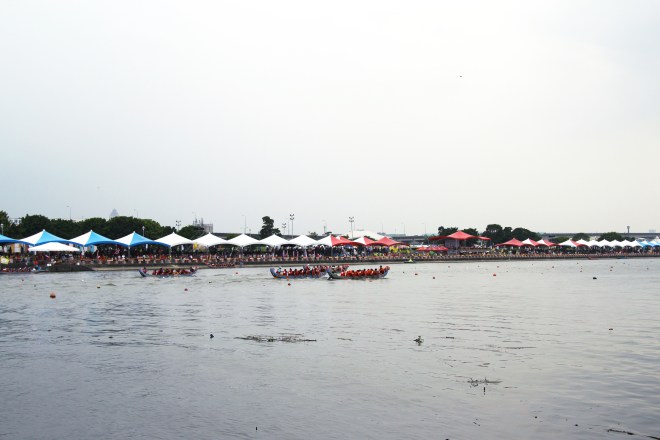
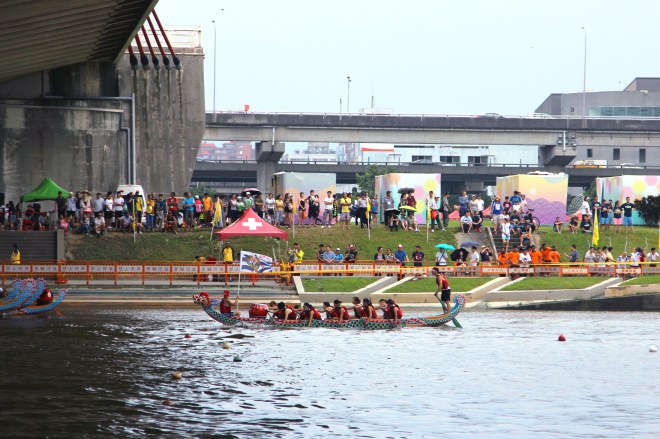
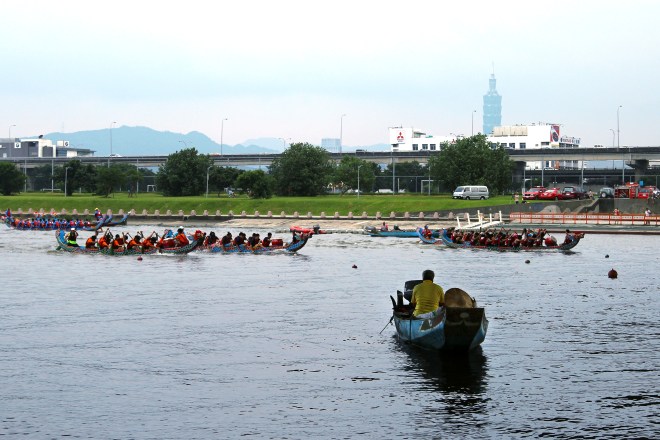
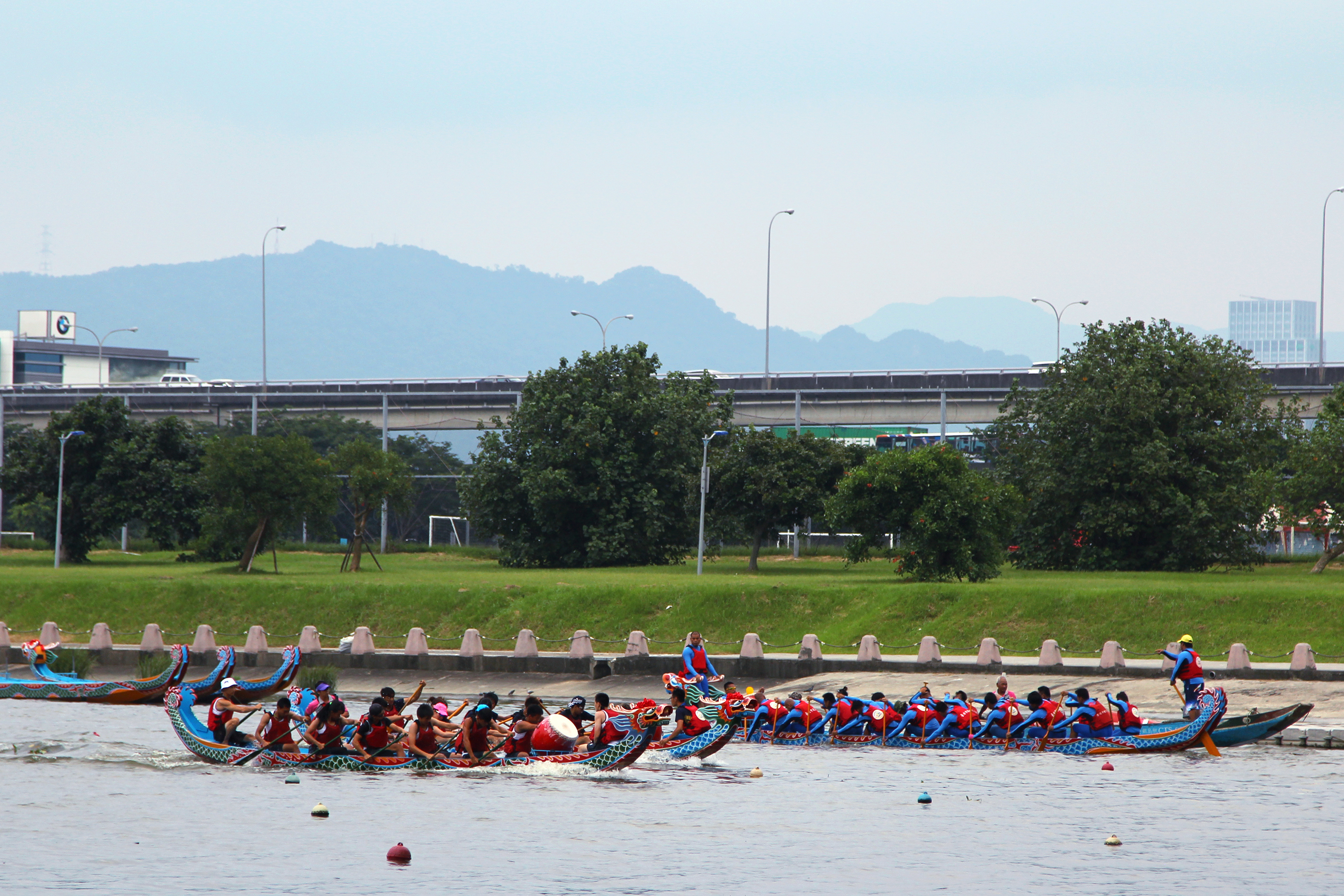
Another popular practice is boat racing using “Dragon Boats”:

IMG_2400-1

If you’re thinking, “That looks nothing like a dragon,” well, Chinese dragons look like this. Think Mushu, but bigger, longer, scarier, and sans Eddie Murphy dub.

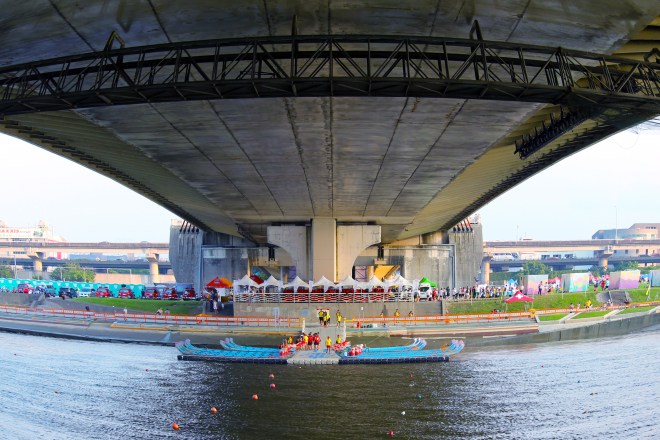
Anyway, the races are a pretty big deal, and since I live only a ten minutes’ walk away from one of the main race sites, I decided to go watch in spite of the smothering heat. Mookie also came along:

IMG_2377-1

It was about to rain, so we only stayed for a little while and the lighting wasn’t great. But here’s the gist:

IMG_2364-1

IMG_2394-1IMG_2398-1

IMG_2406-1

IMG_2407-1 copy

IMG_2397-1^I was obsessed with taking pictures of this old man and (I believe) his wife, who seemed to be unaffiliated with the races and just chilled on a canoe nearby. I’m not creepy.
IMG_2409-1

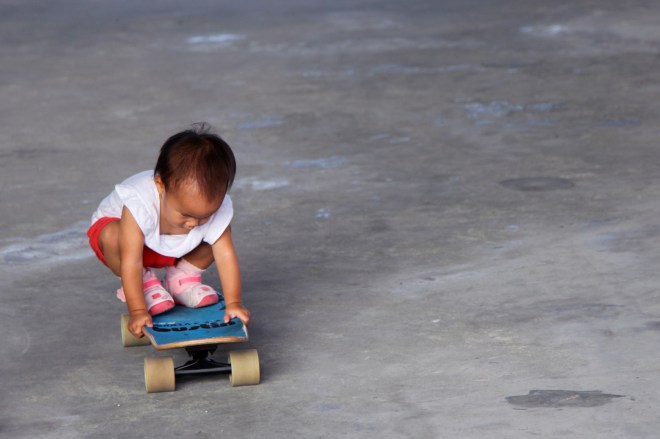
Speaking of not creepy, here’s a shot of the most adorable child, possibly of all time. She was actually gliding along for quite a few meters:

IMG_2369-1

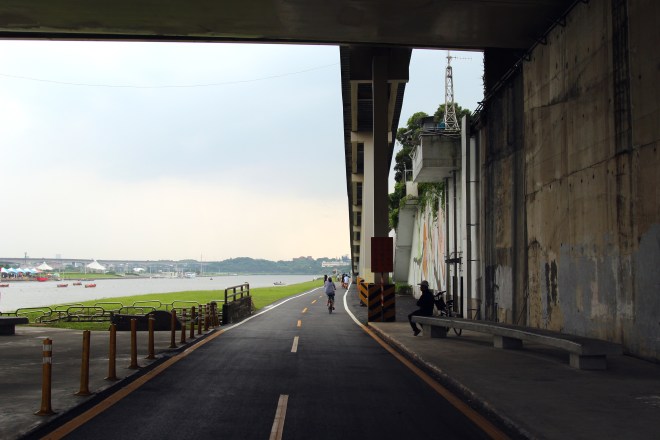
Lastly, here’s one of the riverside walk where my parents and I sometimes bike:

IMG_2410-1

Until next time!

P.S. Commemorating #MarriageEquality

Jiufen

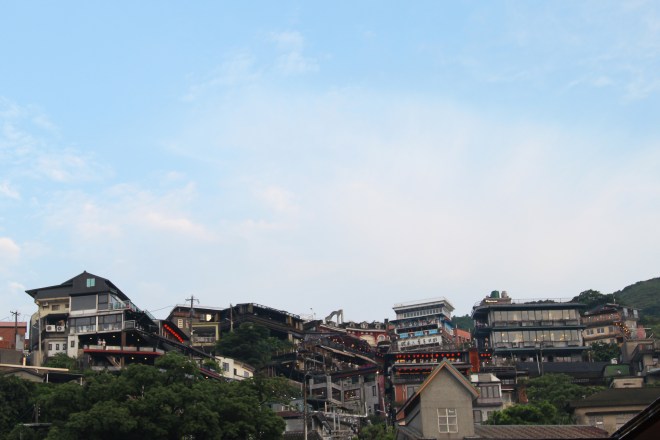
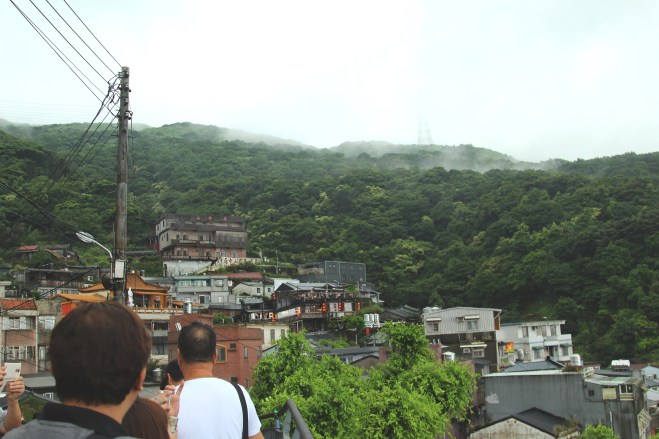
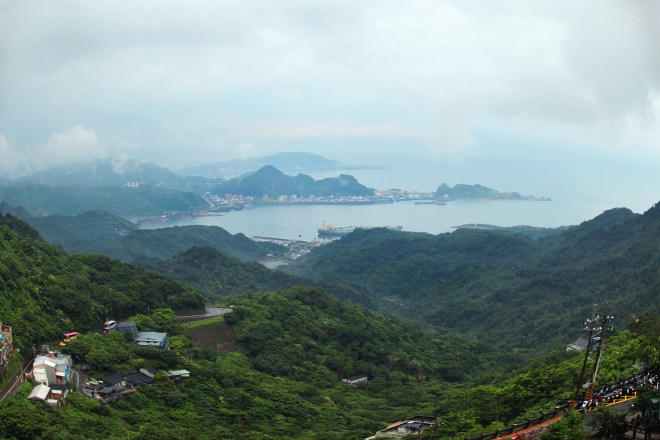
It’s the Dragon Boat Festival (端午節) long weekend, so my parents and I headed off to tourist hotspot Jiufen (九份), a mountain town on the northern shore of Taiwan, for a quick day trip.

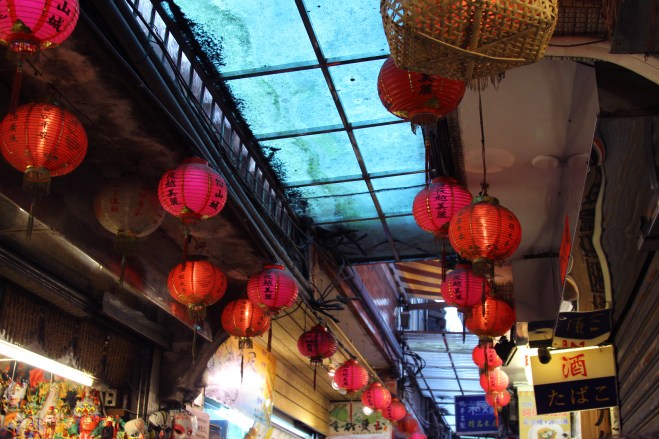
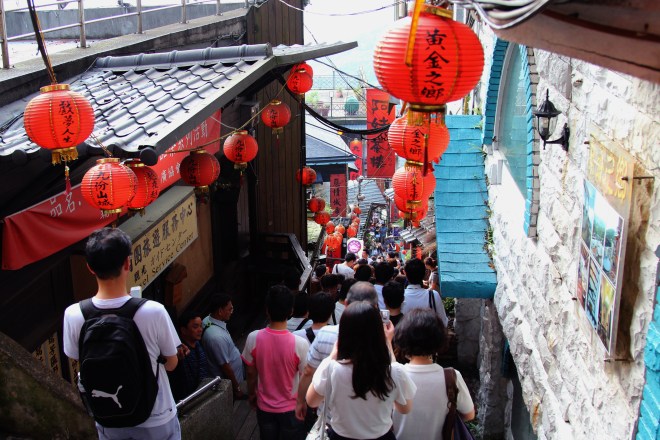
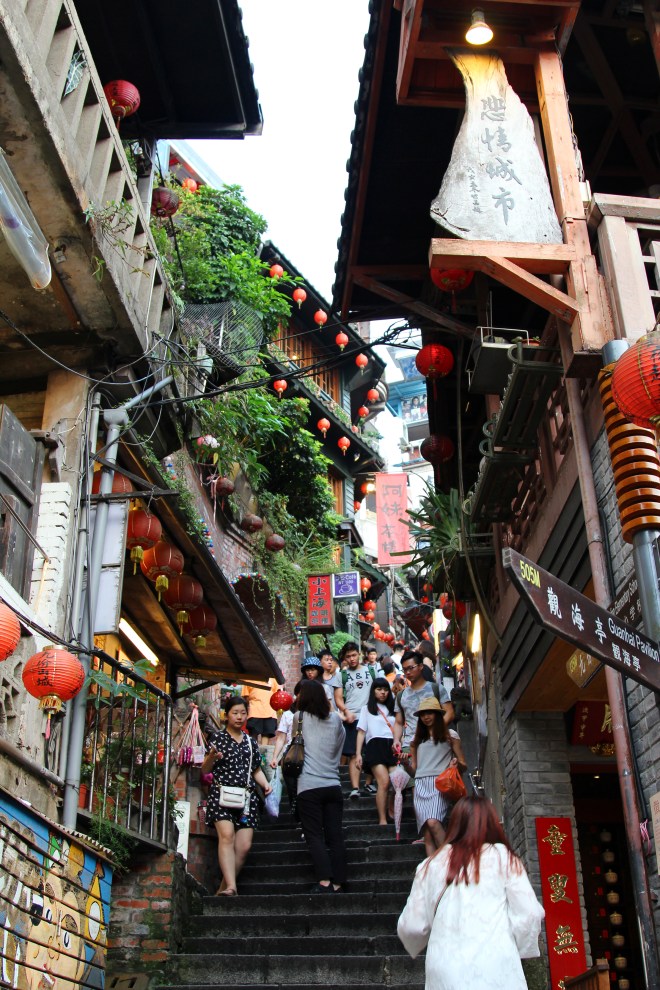
Jiufen, famous for its steep paths lined with shops and red lanterns, is reputedly the inspiration for the town in Hayao Miyazaki’s Spirited Away (千と千尋の神隠し). Probably because of this, there were at least a couple hundred of Japanese tourists on the day of our visit.

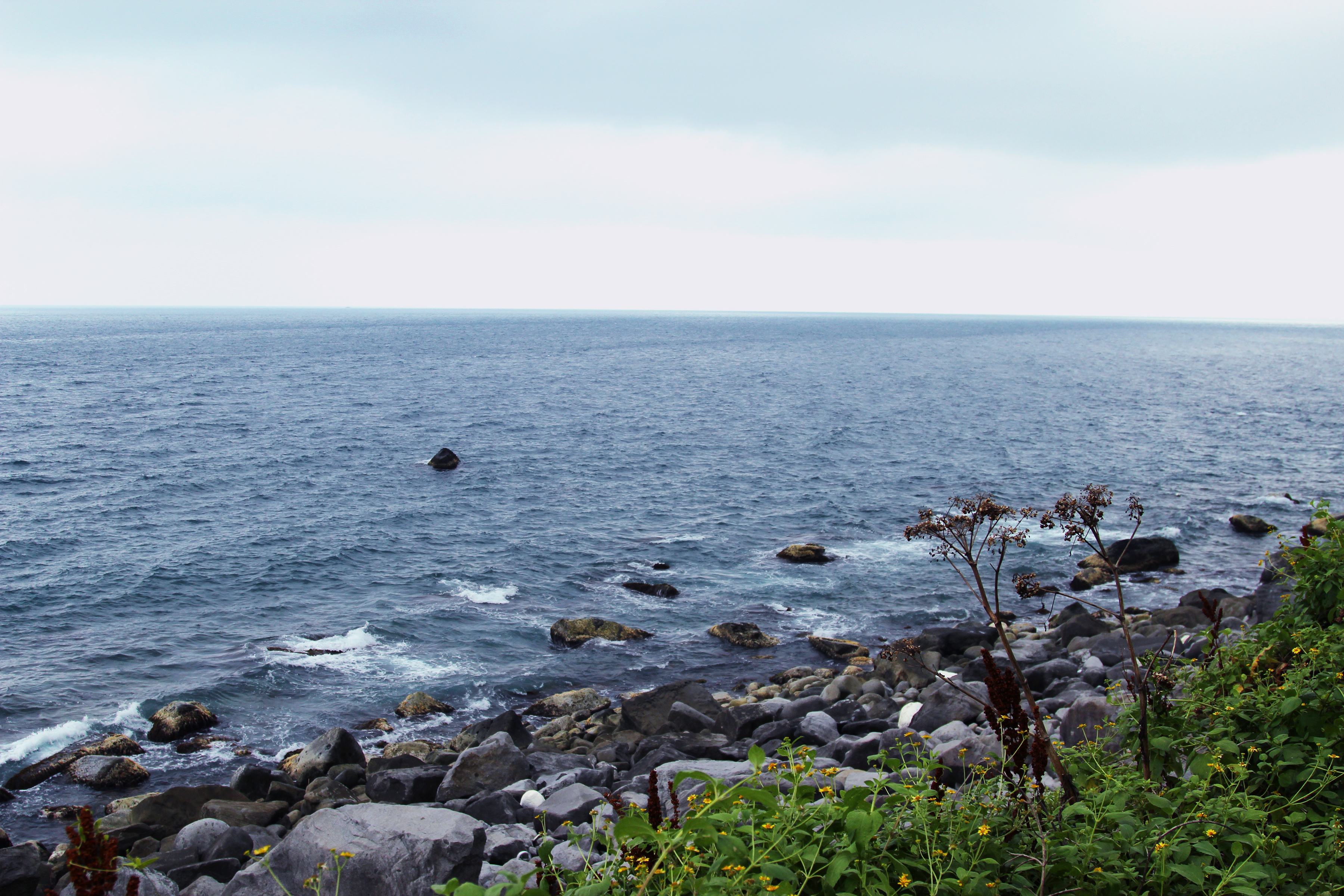
The drive there was only 35 minutes, but we made a shoreline pit stop:

IMG_2196-1

IMG_2202-1

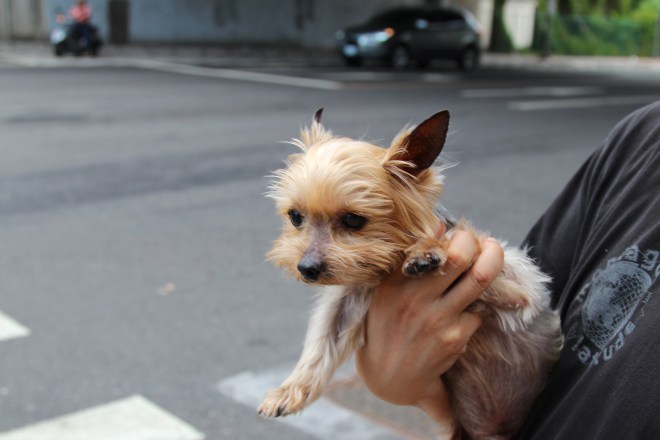
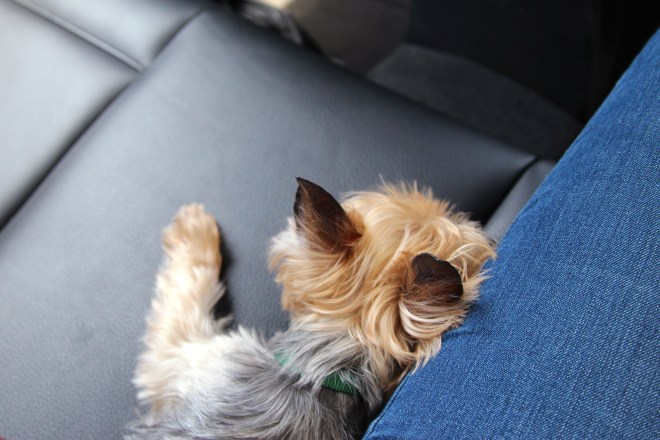
And my dog Mookie took a good lil’ nap:

IMG_2162-1

Once we got there, it was clear that Jiufen was a little grimier and messier than one would expect from a town known for its aesthetics. But I like to think it’s an amicable kind of clutter — which, coincidentally, pretty much sums up Taiwan.

IMG_2350-1

IMG_2252-1

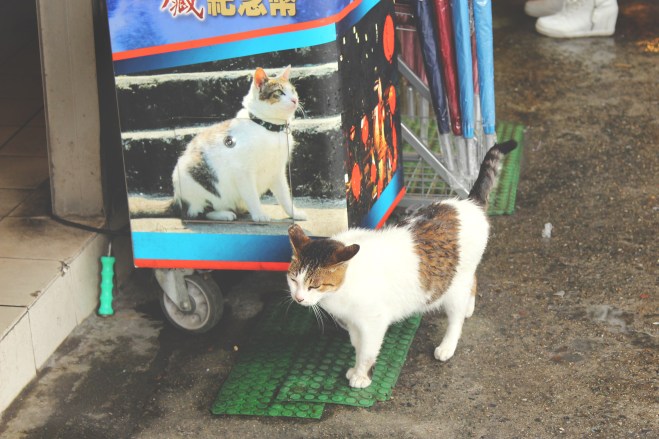
Very proud of this shot of the superstar and his billboard:

IMG_2256-1

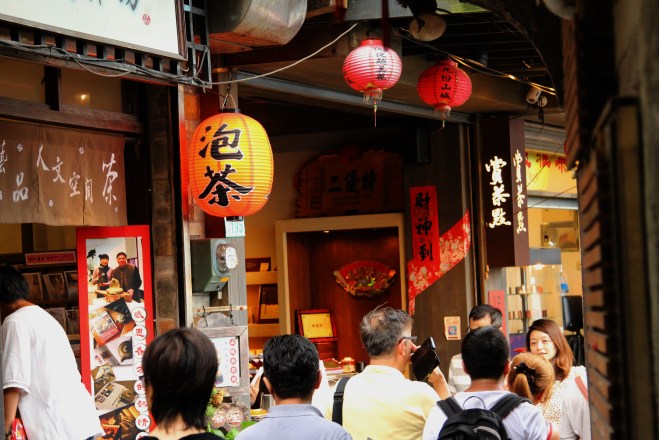
The big lantern below literally says “make tea.” Can’t argue with that.

IMG_2267-1

IMG_2317-1

IMG_2239-1

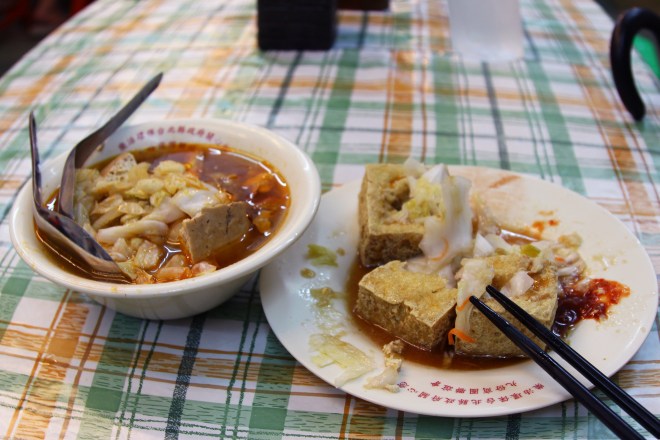
A fisheye shot of some stinky tofu (臭豆腐) that was disappointingly un-stinky:

IMG_2328-1

IMG_2304-1

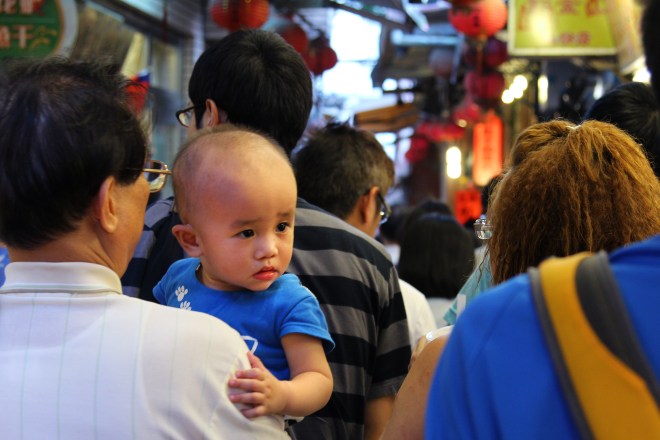
Not sure what the law is on taking pictures of cute children without permission, but we can call it an accident:

IMG_2308-1

IMG_2277-1

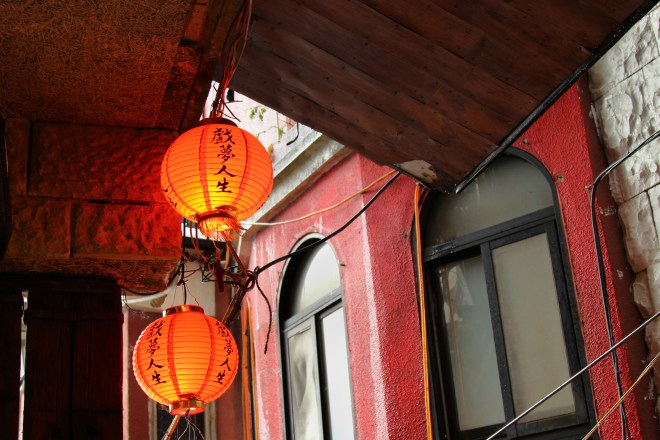
I was particularly fond of the following lantern, which can translate into a number of things, but the characters are essentially: 戲 xi, a game or drama/theater; 夢 mong, dream (both the literal kind and fantasies or aspirations); 人生 ren shen, life (with the nuance of one’s lifetime).

IMG_2251-1

IMG_2263-1

IMG_2331-1

Dirty or not, it’s still a pretty magical place!

IMG_2335-1