Kamakura; Eating Monja

Long time no see! I’ve been at school for six weeks and, thanks to immense luck and Princeton’s unreasonable wealth, I’m back in Japan (!!!). I’m currently on a 10-day class trip stopping first in Kyoto, then Hiroshima, and eventually in Tokyo (!!!).

In honor of this, here’s a throwback to the summer:

Sometime in August, I was able to take a day trip to Kamakura thanks to a friend’s family car, and since we got there rather late and it was ridiculously crowded that day, we got tired quickly and decided to head back to Tokyo for dinner. Not wanting the night to end blandly, we decided to go for monja, a more, uh, interactive cuisine (you’ll see what I mean), on the famous Tsukishima monja street featured in this earlier post.

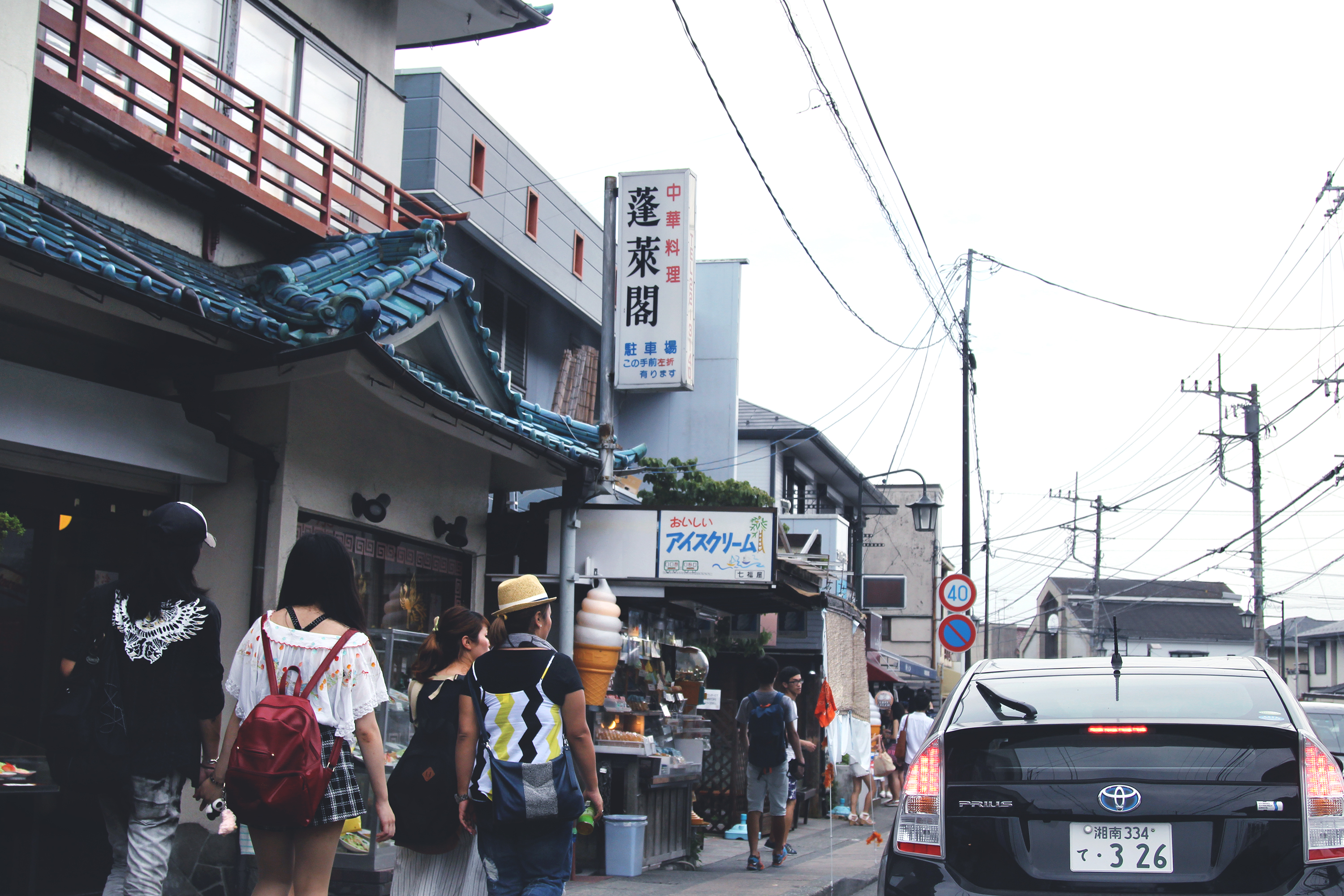
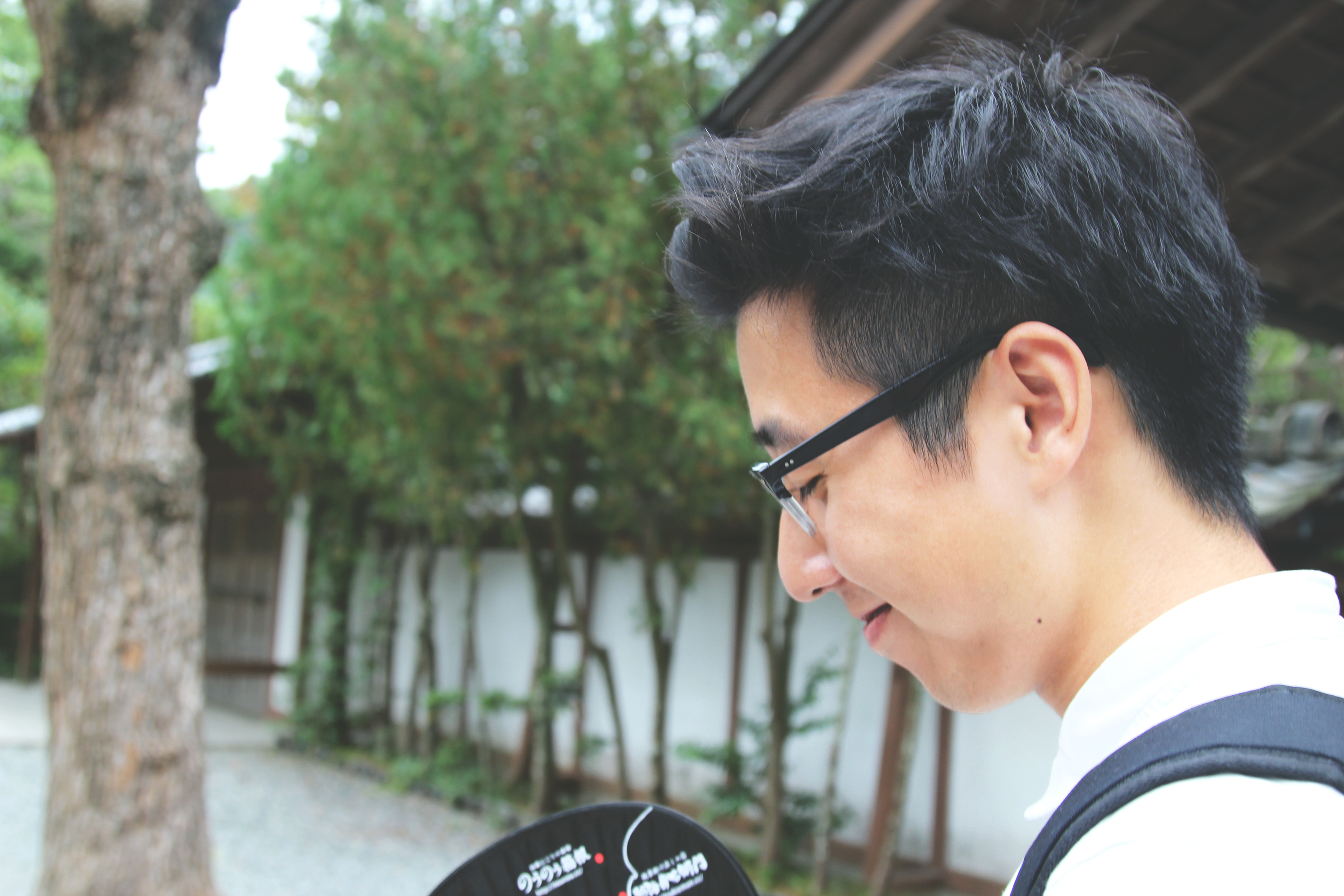
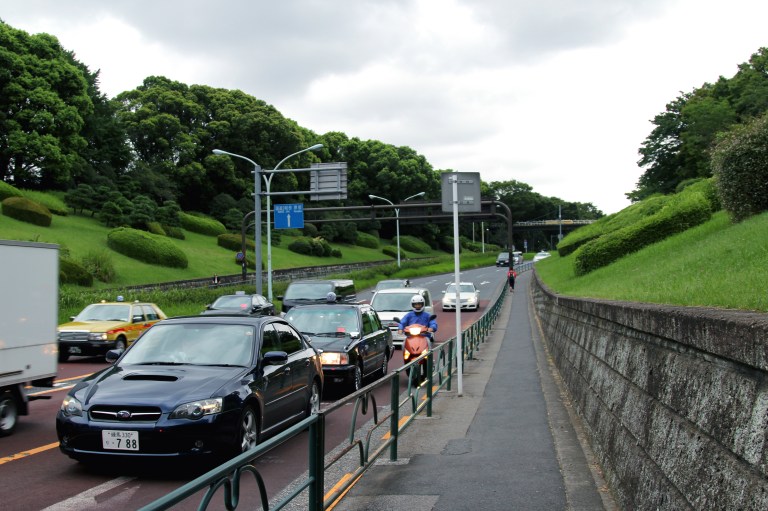
Snaps from the drive:
IMG_2837-1

IMG_2841-1

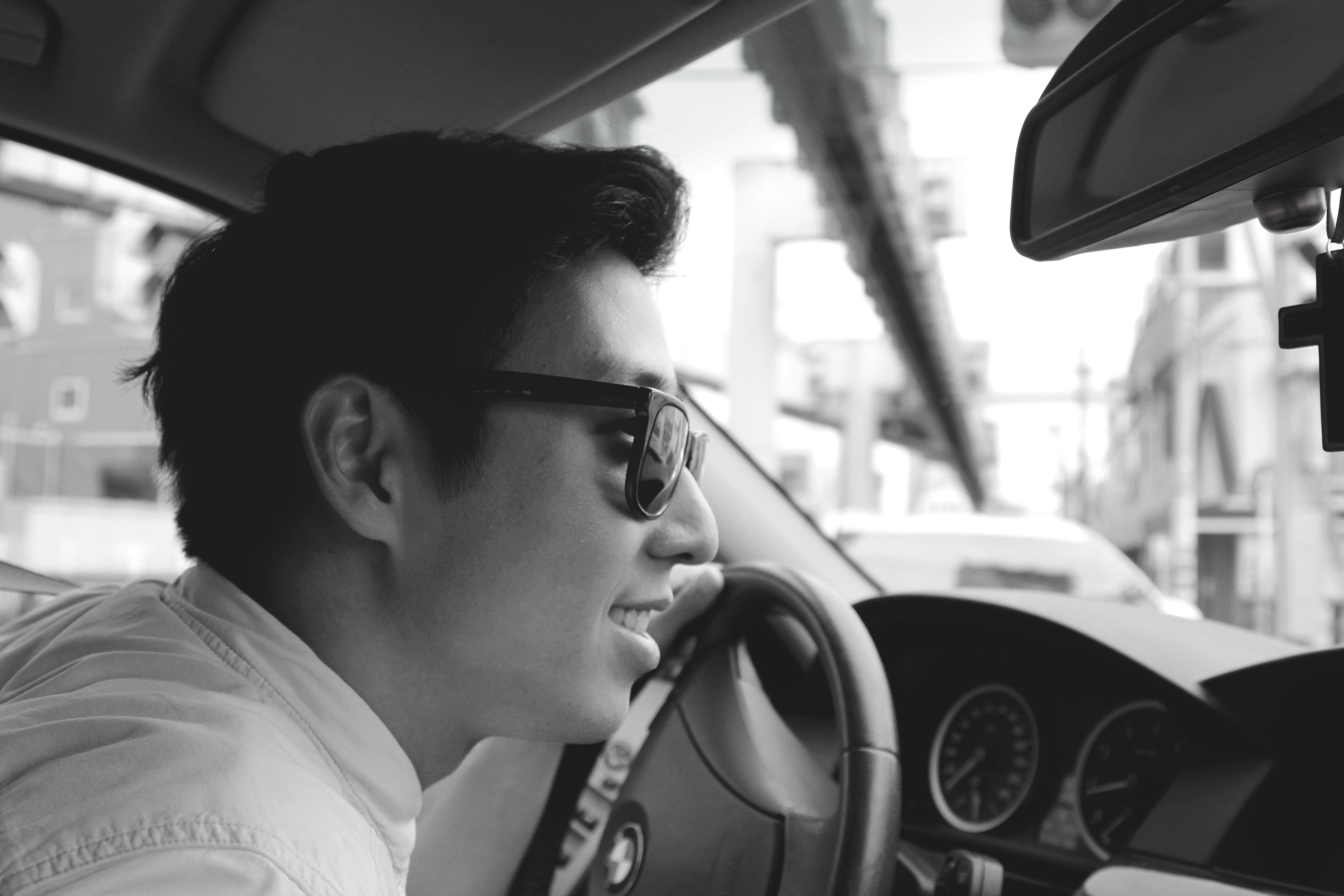
^My trusty chauffeur. (Drivers’ seats are actually typically on the right side in Japan, in case anyone was about to call me a fraud. Long story.)
IMG_2846-1

IMG_2849-1

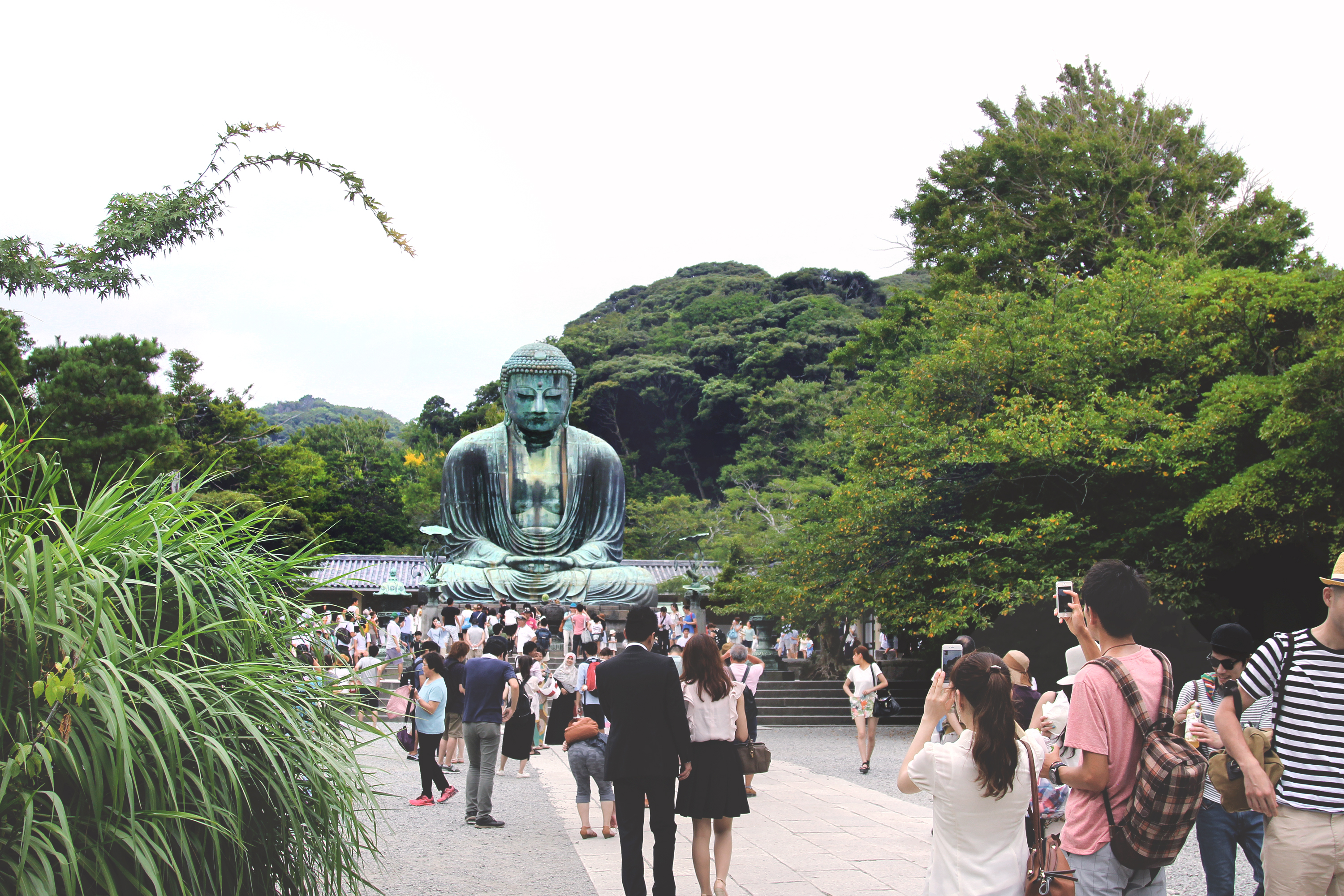
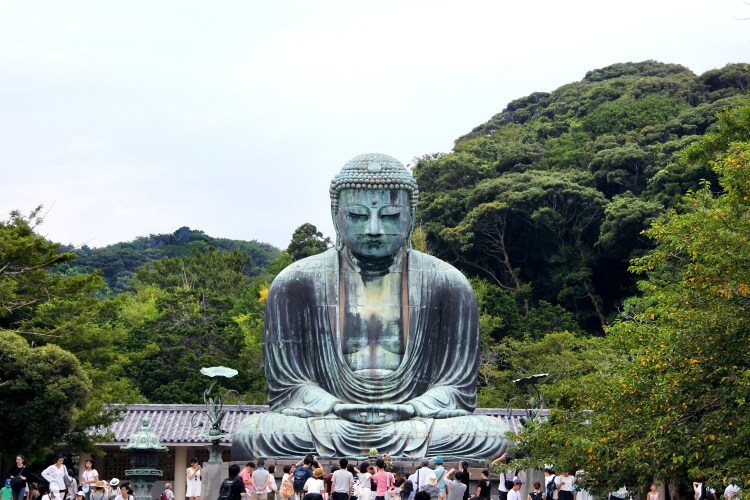
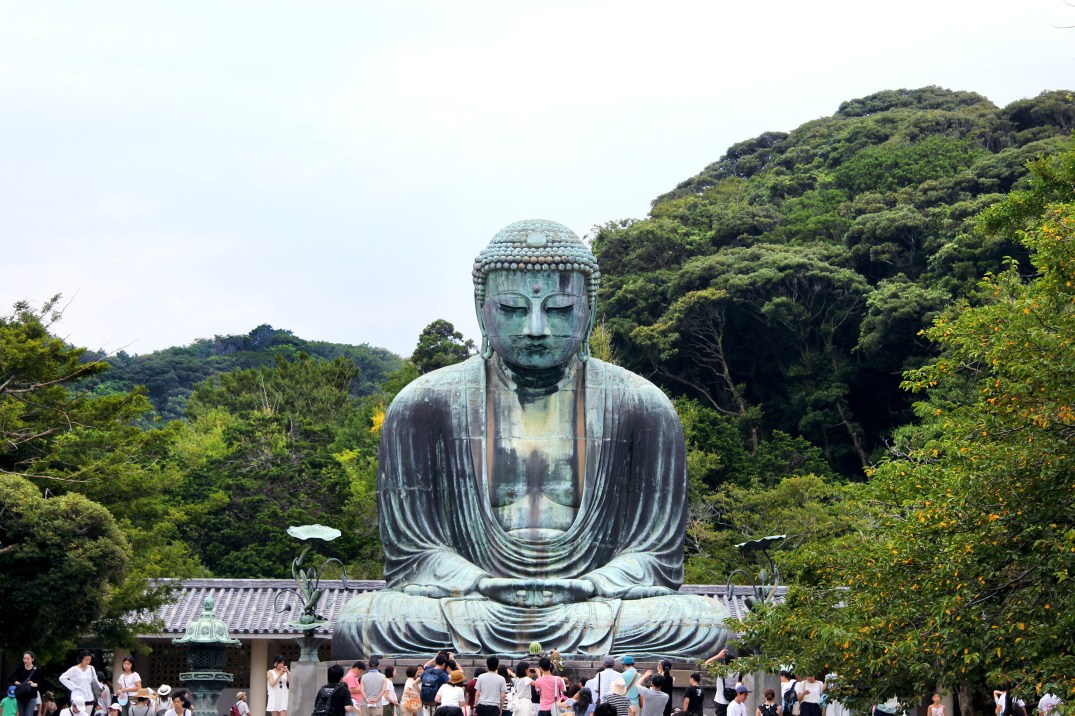
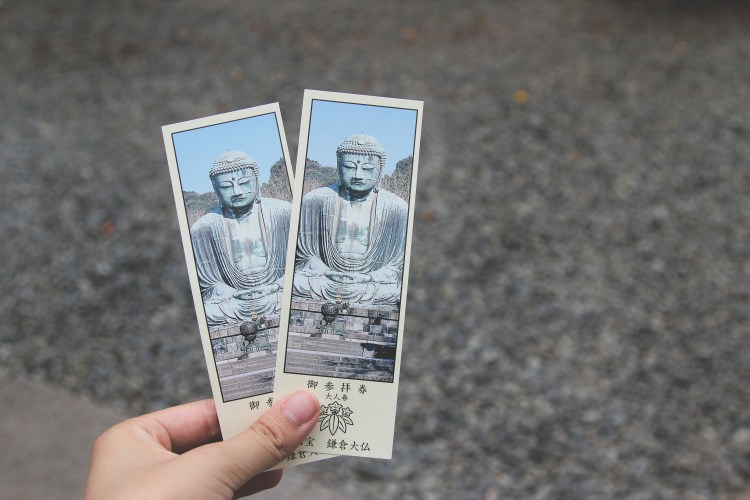
We had originally planned to see a couple of temples and a museum in Kamakura (鎌倉, a historical city/town about an hour’s drive from Tokyo), but the traffic was downright cruel and pretty much every notable site in Kamakura closes by 4:30 pm, so we only made it to one of our destinations: Kotoku-in (高徳院), where the iconic Daibutsu (大仏, lit. Big Buddha or, more ceremoniously, Great Buddha) is located:
IMG_2855-1

IMG_2856-1

IMG_2857-1

IMG_2860-1

IMG_2894-1

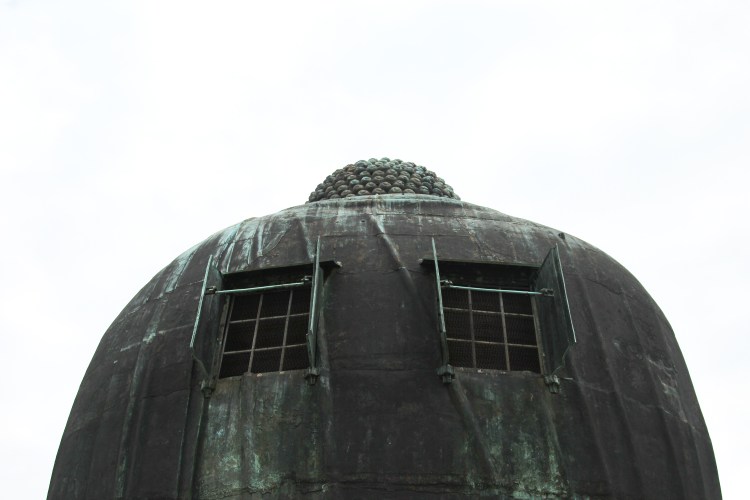
The back of the Buddha opens up for maintenance and repairs.
IMG_2870-1

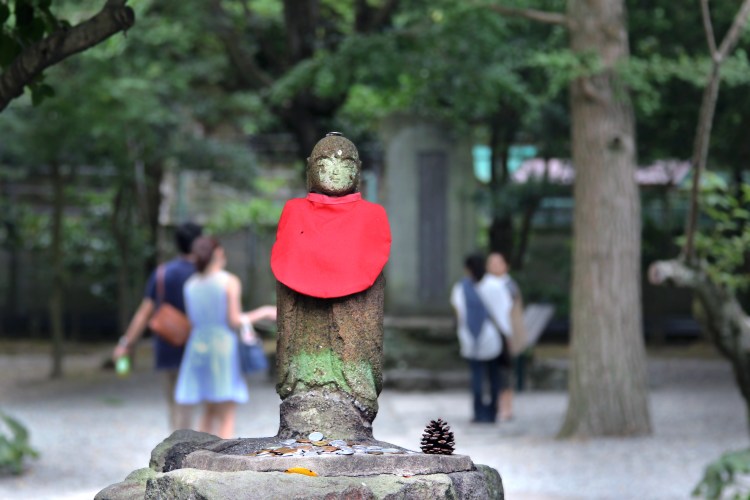
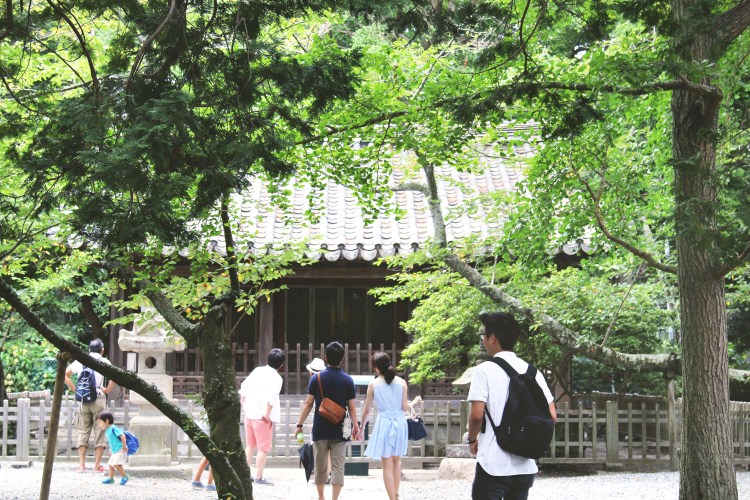
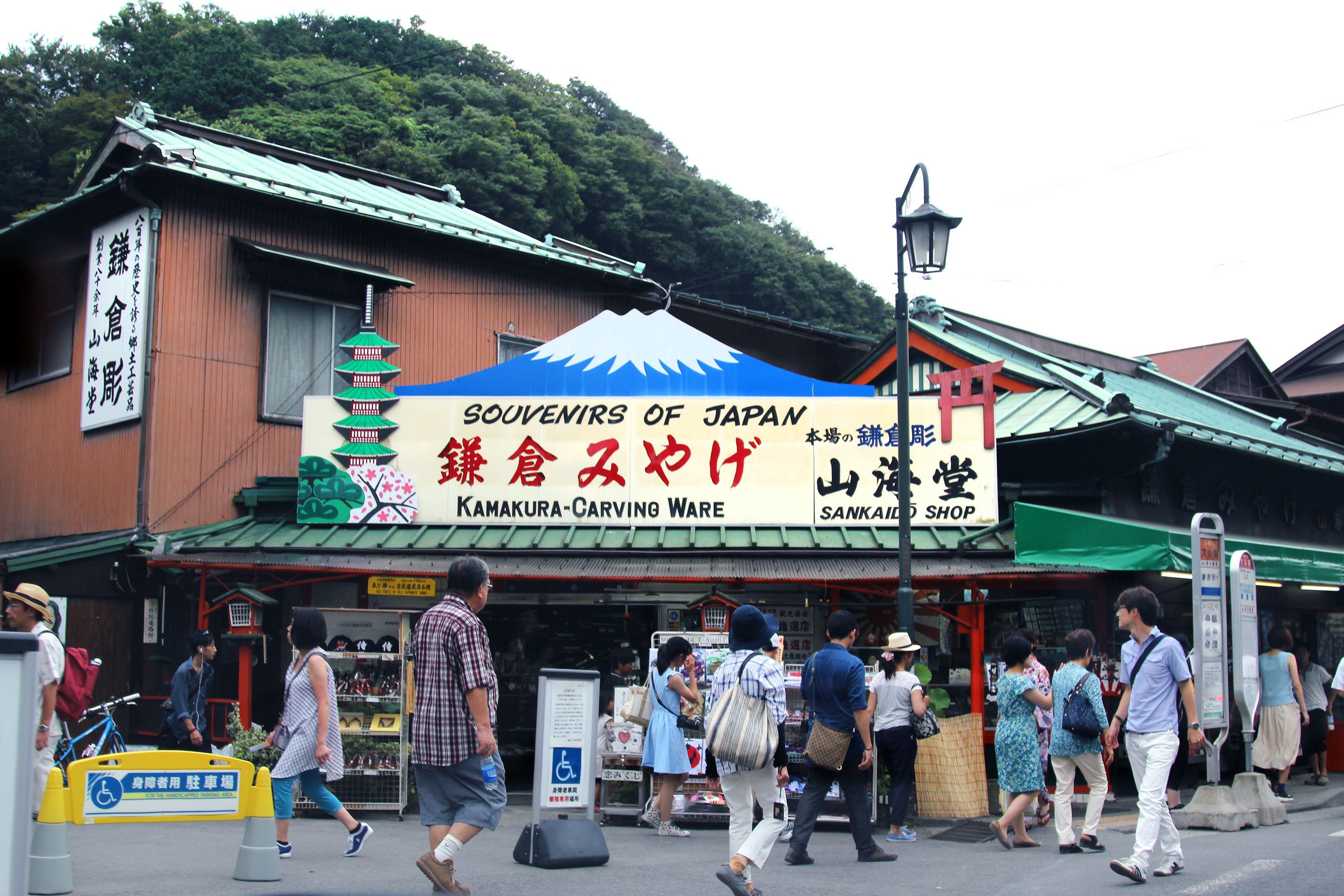
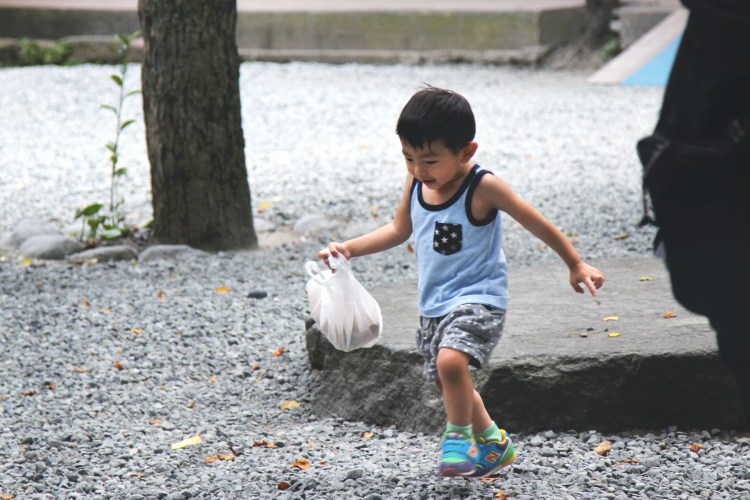
The temple didn’t have much aside from the above main attraction, though it did have a small back garden and souvenir shop.
IMG_2875-1

IMG_2885-1

IMG_2877-1

IMG_2881-1

We also drove around the beach, but that was extremely overpopulated so it was straight back to Tokyo for us.

Next up: monja!

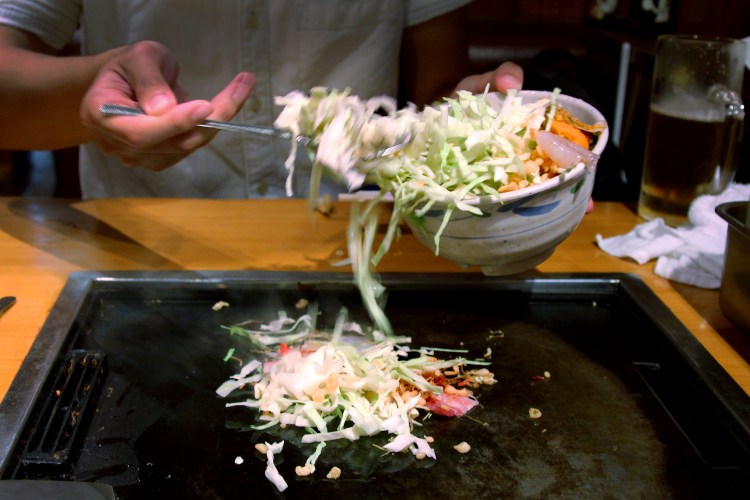
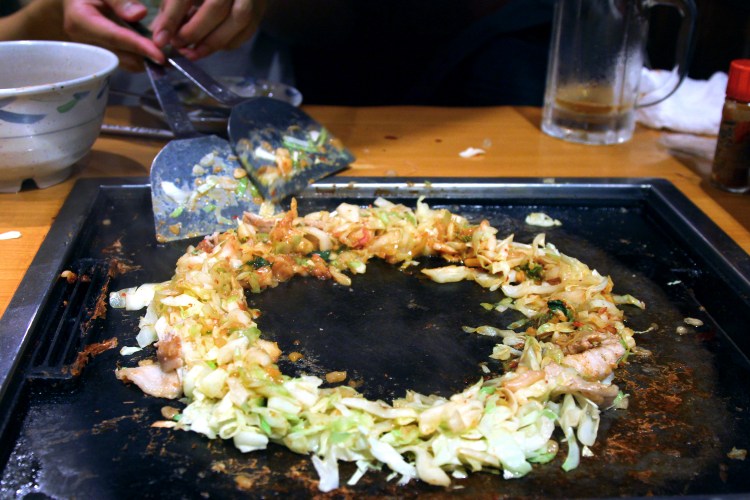
A few things about monja. It’s a type of cuisine from western Japan that has somehow become the landmark food for Tsukishima, where I lived over the summer. On the main street (known colloquially as Monja Street) alone, there were easily over three dozen monja restaurants. It comes in a bowl, typically with vegetables and some kind of meat/seafood, with batter on the bottom. The customer then cooks the concoction over an iron griddle. This is all better explained with pictures:
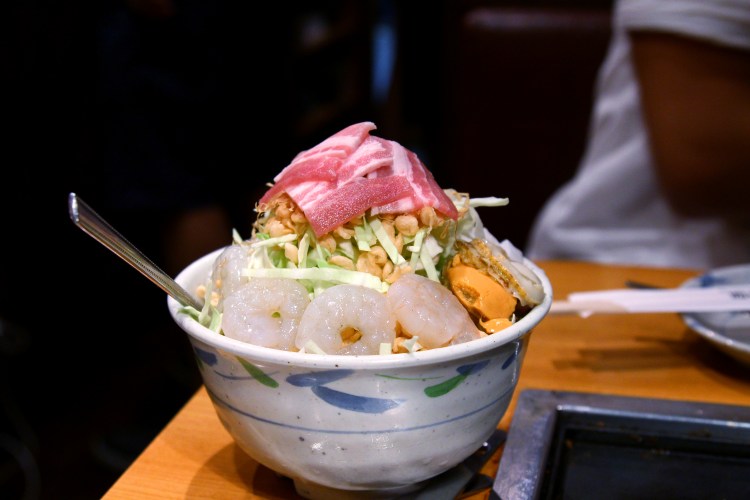
IMG_2907-1

IMG_2909-1

IMG_2918-1

IMG_2919-1

^The solid foods are arranged into a ring so as to contain the batter.
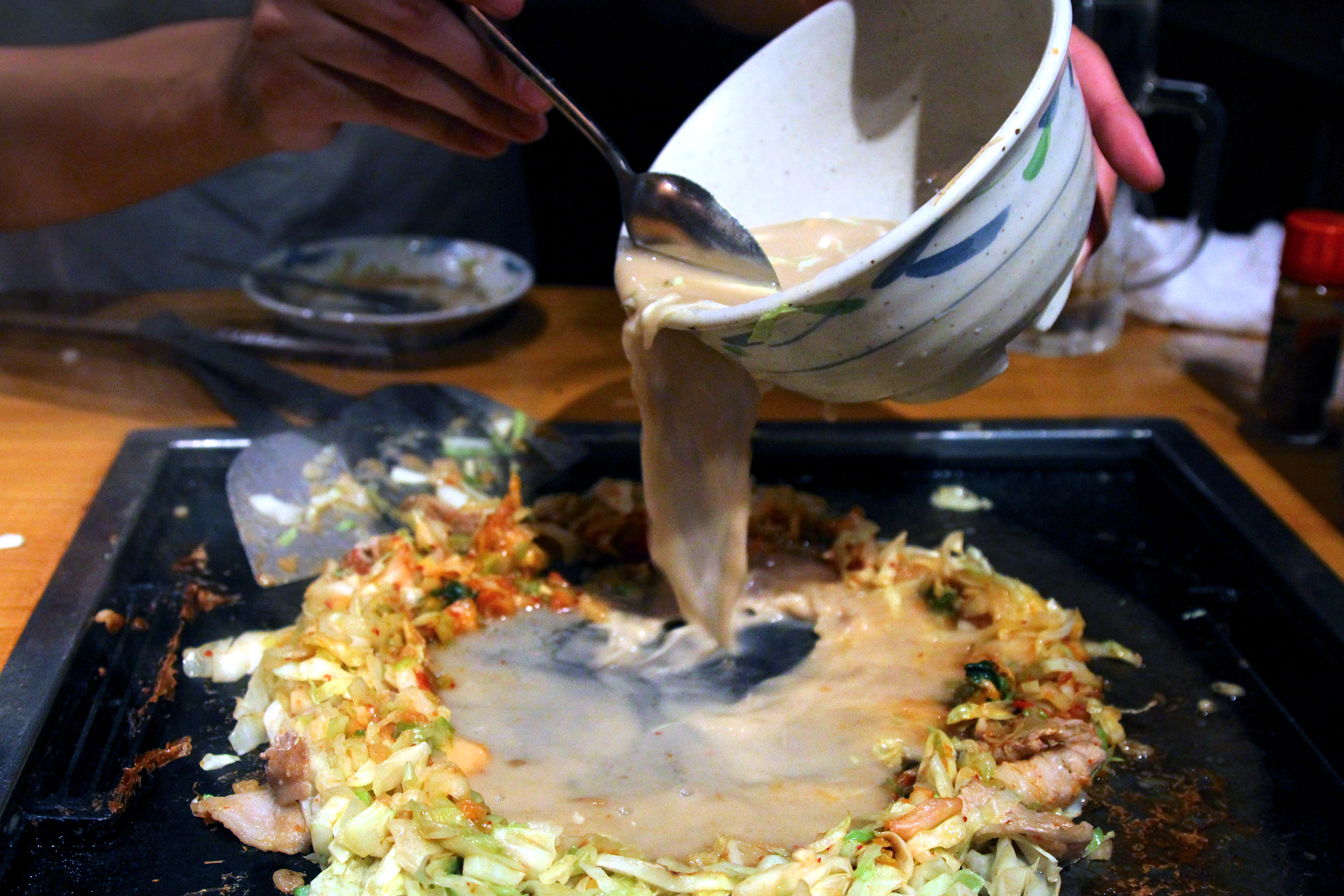
IMG_2921-1

When the batter somewhat solidifies into a runny dough, everything is mixed together…

IMG_2924-1

…then it’s ready for seasoning & devouring!
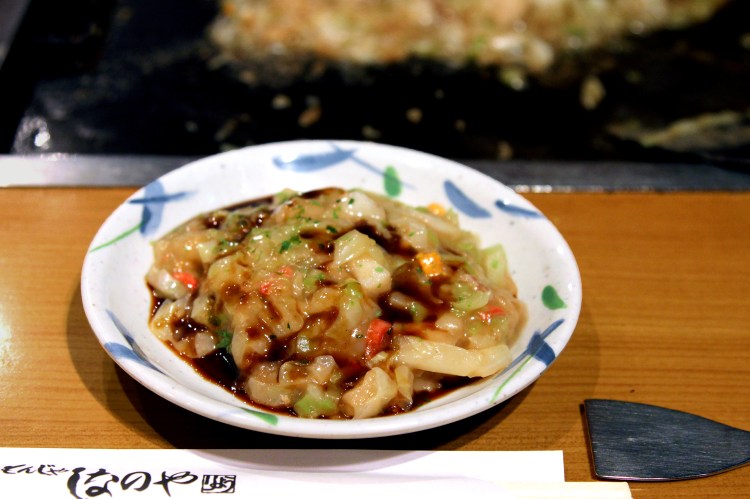
IMG_2912-1

IMG_2905-1

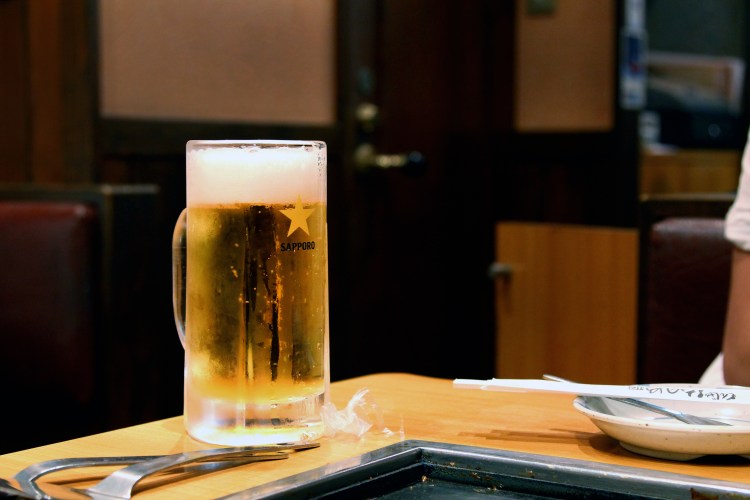
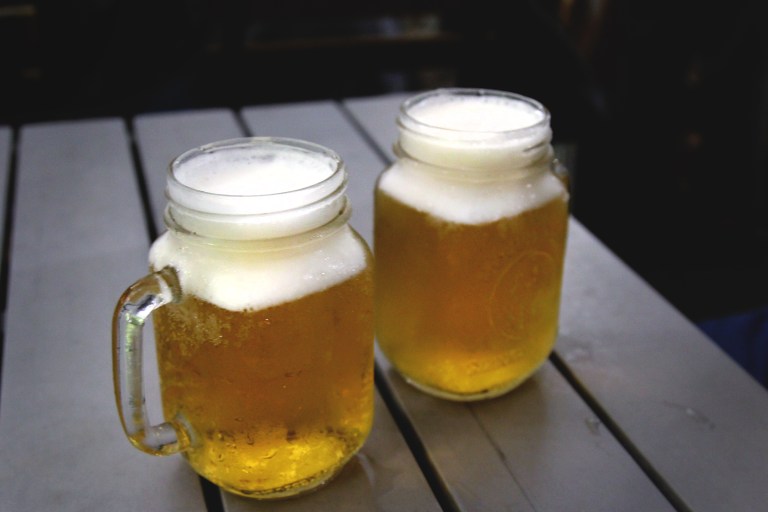
Best served, of course, with a tall glass of Japanese beer.

Kyoto & Princeton posts coming in the near future, I “promise.”
West Side Tokyo Story

I’m back in Taipei and leaving for New York in two days, but the backlog of Japan photos & thoughts are alarmingly aplenty…

At least I’ll have something interesting to share while stuck on campus.

Today will be dedicated to a virtual tour of the “cool” half of Tokyo in which I did not live — the west side, where you can find the world-famous shopping districts for younger consumers, including Shibuya and Harajuku. That being said, I was mostly looking for ways to waste my money instead of taking photos when I was there, so most of the visuals here are actually from the quieter areas.

Let’s start with Shibuya (渋谷).

I wish I’d taken photos of my favorite food here — gyukatsu (牛カツ, essentially fried sliced steak). For anyone in the area, I highly, highly recommend it.

IMG_3220-1

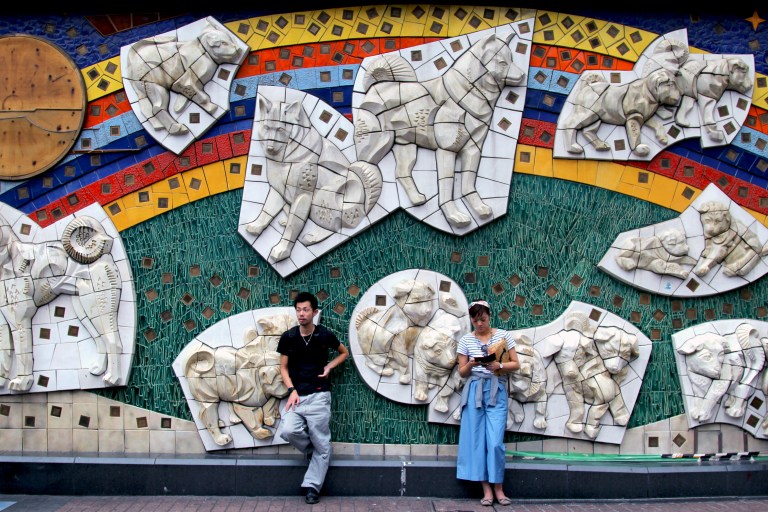
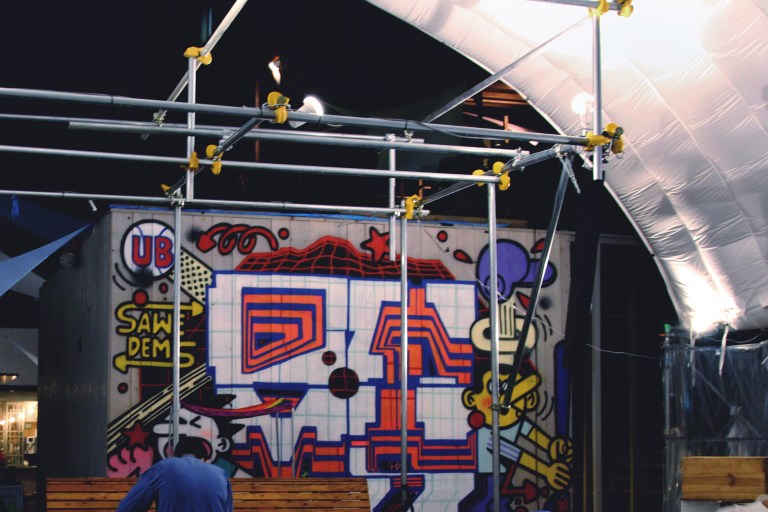
This is, IMO, the trippiest wall in all the land. It’s an artistic/under-the-influence take on Hachiko (ハチ公), the legendary statue of the loyal dog who waited for his dead master at the station every day until his own death. (I will shamelessly admit that I cried a lot while watching the Richard Gere adaptation of this.)

I don’t actually have a photo of Hachiko on my DSLR cause it seemed a little too touristy (I always regret the photos I don’t take while feeling too touristy), but it looks like this. It’s something of a Tokyo cliché to wait for people near Hachiko — you know, following the whole waiting theme — but this is really a horrible idea due to the sheer volume of fellow waiters. Personally, I found the rainbow wall of 3D Hachikos a much smarter alternative. Call it a pro tip, I guess.

IMG_3222-1

IMG_3223-1

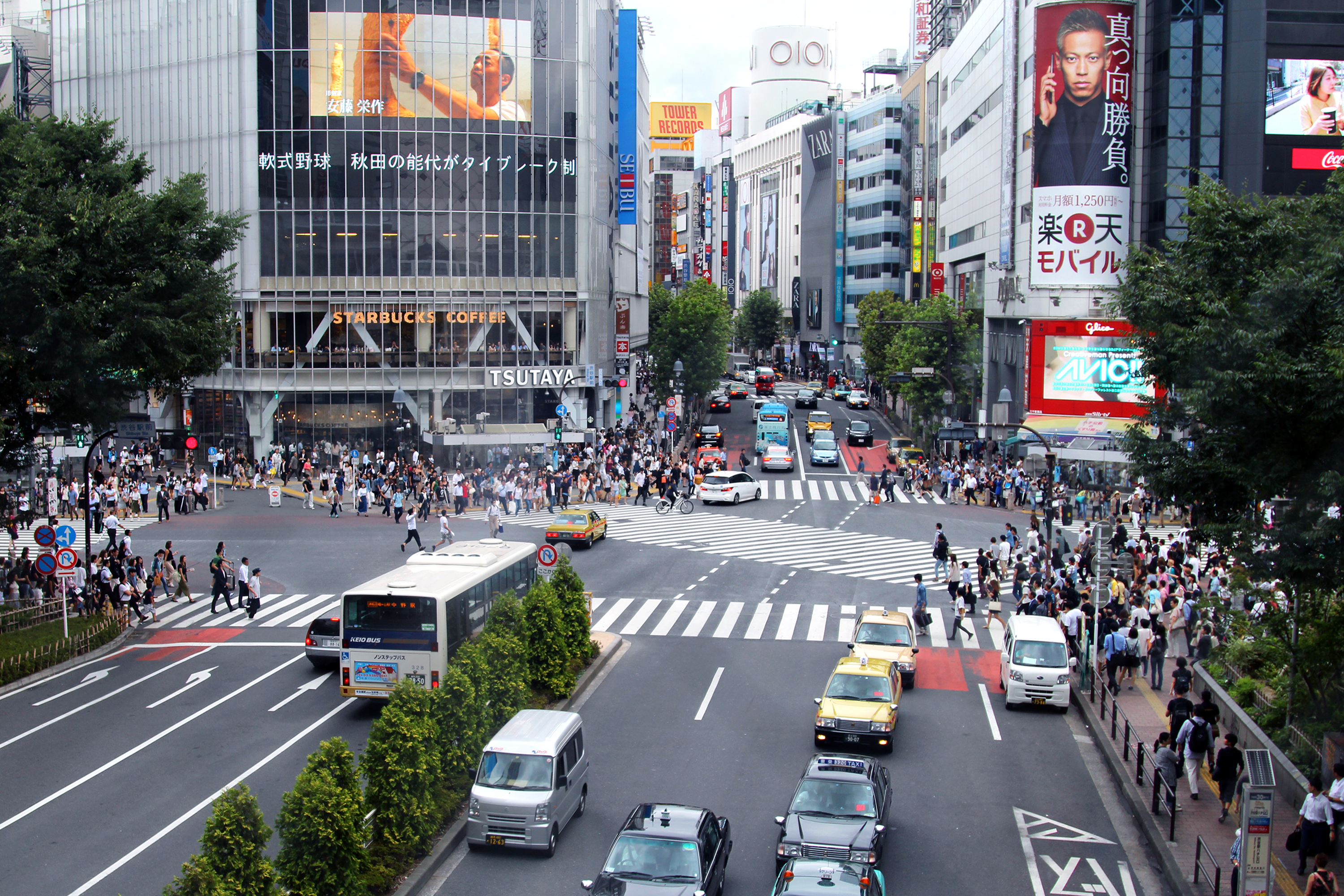
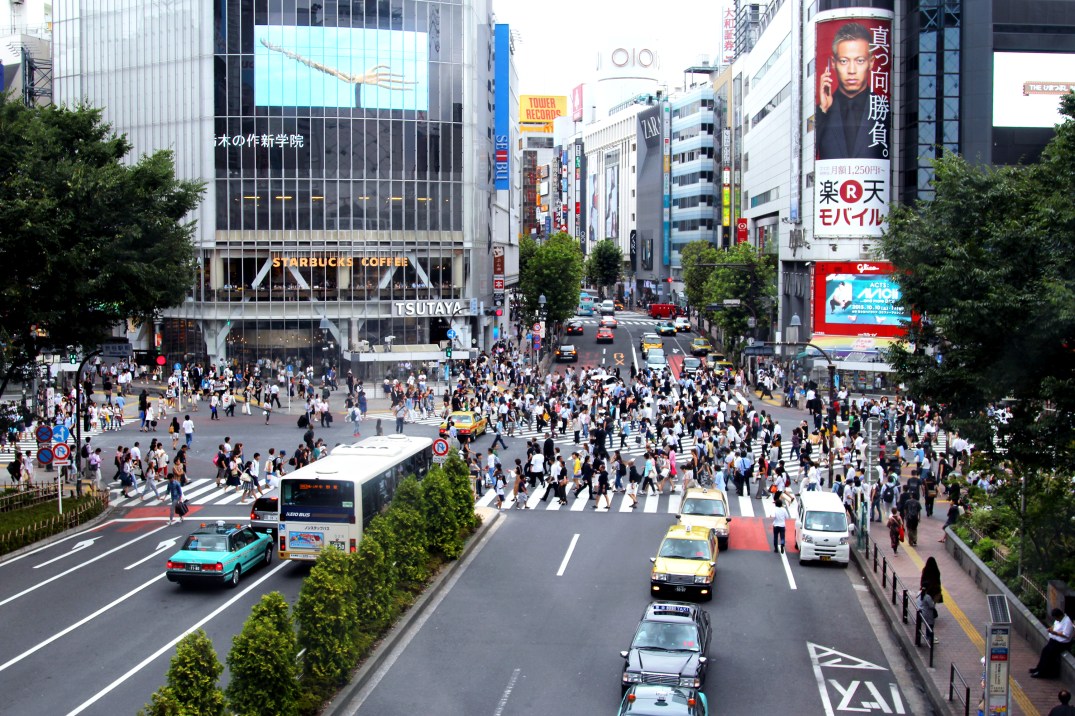
^The famous Shibuya Scramble Crossing. Fun fact #1: this is actually just considered a fairly normal crosswalk in Japan.

Fun fact #2: a lot of people go to the Starbucks pictured above to take photos of the Crossing. I found that the view from the second floor of the train station offers just as good a view for free (you have to buy a coffee to sit at the Starbucks window), plus you get a shot of the famous Starbucks as well.

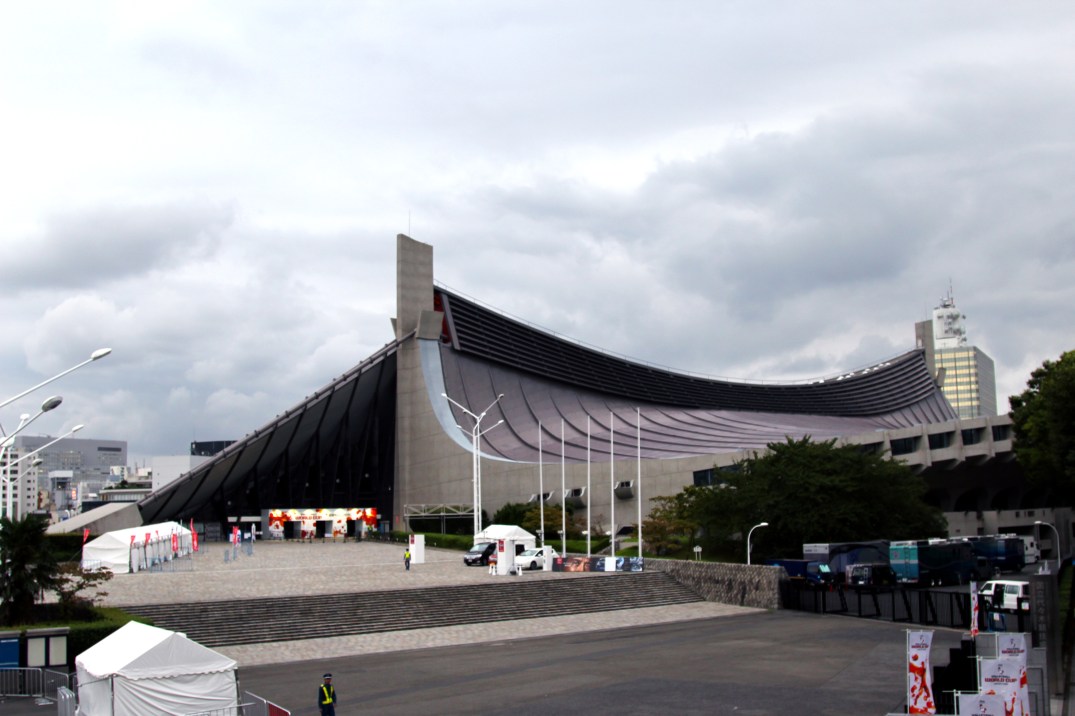
Moving north, we walk through Yoyogi Park and the Yoyogi Stadium (代々木体育館, built for the 1964 Tokyo Olympics):

IMG_3226-1

IMG_3228-1

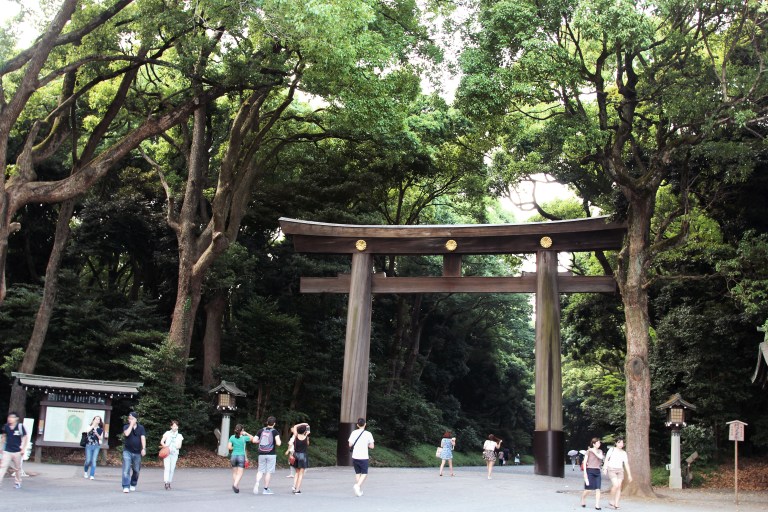
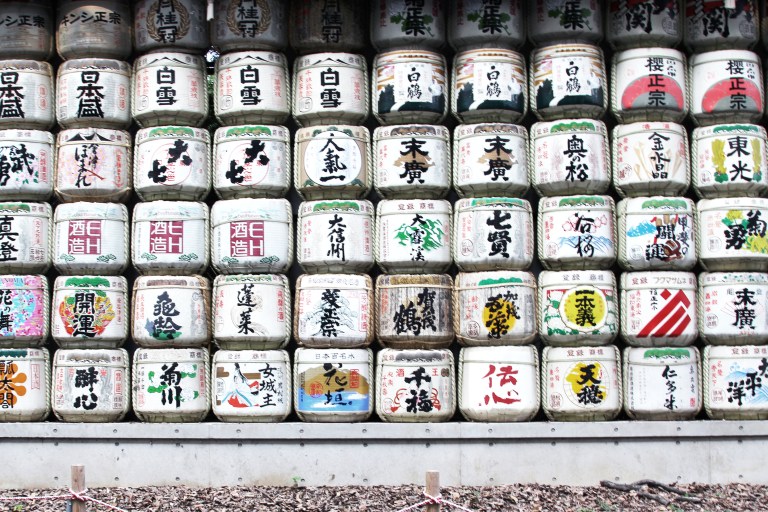
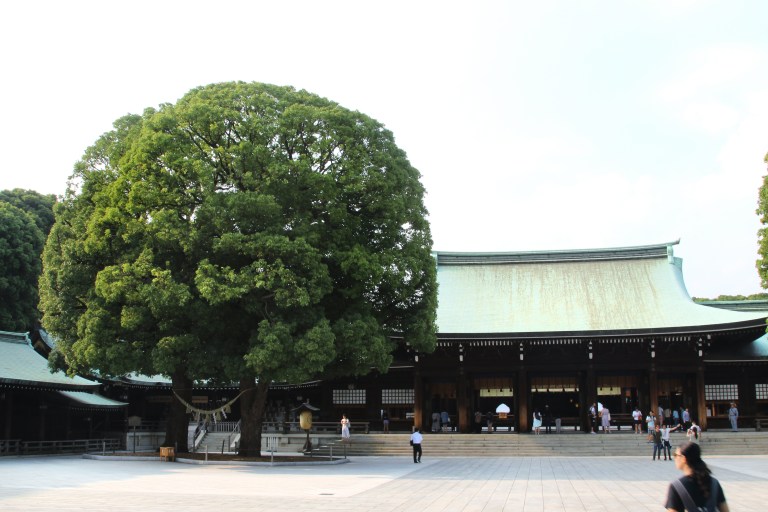
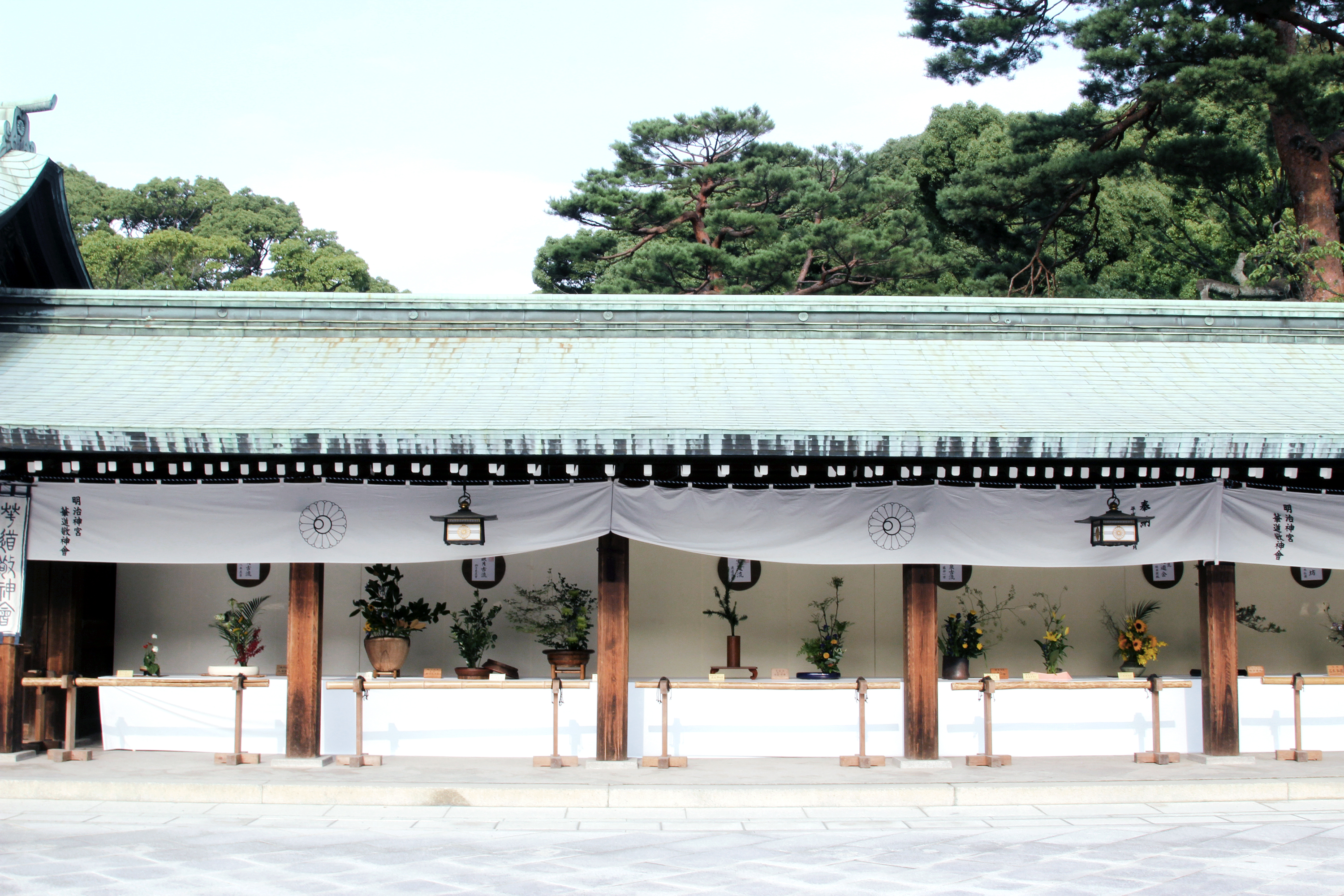
The following is perhaps my favorite section of Tokyo: you can go from historical (Meiji Jingu/Shrine, 明治神宮) to lower-budget fast fashion (Harajuku, 原宿) to high-end lifestyle galore (Omotesando, 表参道) within just a few blocks. With each area fully committing to its own reputation, a stroll uphill becomes a condensed walkthrough of the incredible variety that Tokyo has to offer.

Starting with Meiji Jingu:

IMG_2621-1

^Let’s just say they really didn’t skimp on this entrance.

IMG_2624-1

IMG_2627-1

IMG_2629-1

IMG_2644-1

IMG_2628-1

IMG_2643-1

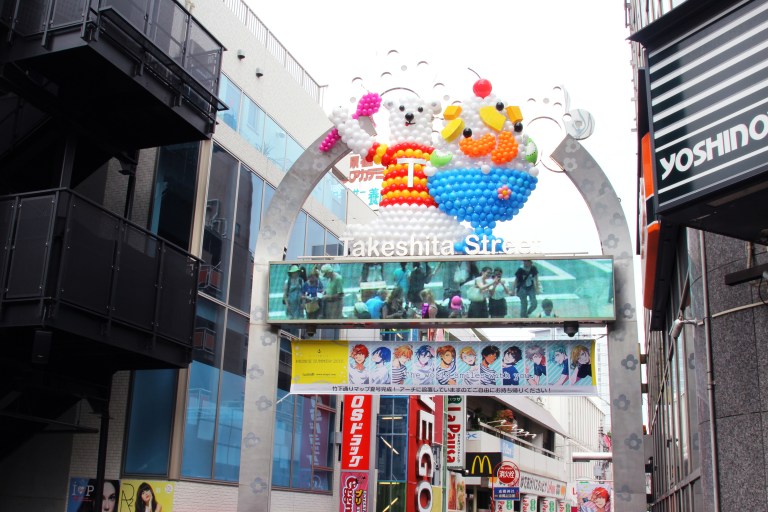
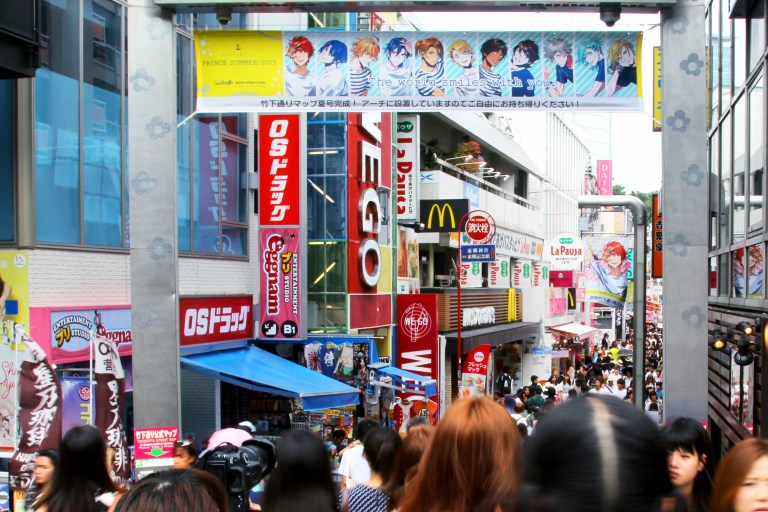
Next up: Harajuku’s famous Takeshita Street (竹下通り), the pedestrian shopping street responsible for Gwen Stefani’s comeback in the mid-2000’s. Given its reputation, I was expecting to spot edgier/weirder fashion here, but at least the few times I went it was just crowded with hip Japanese people, high school kids and far too many tourists. Takeshita’s ungodly density in the hottest months was the reason why I took disappointingly few photos here.

IMG_2614-1

IMG_2616-1

^ Come here on a July afternoon if you want to learn to hate people.

IMG_2618-1

And now onto Omotesando! In short, it’s a fashionable, overpriced area — with many surprises. For instance, the Nezu Museum (根津美術館) with a small but instructive collection of traditional East Asian art, lovely architecture and most important, a huge sculpture garden smack center in one of the priciest neighborhoods in town.

Photos aren’t allowed inside the museum, but are a-okay in the garden.

IMG_3057-1

IMG_3083-1

IMG_3065-1

IMG_3068-1

IMG_3071-1

And now for some nighttime fun in Omotesando.

IMG_3229-1

IMG_3230-1

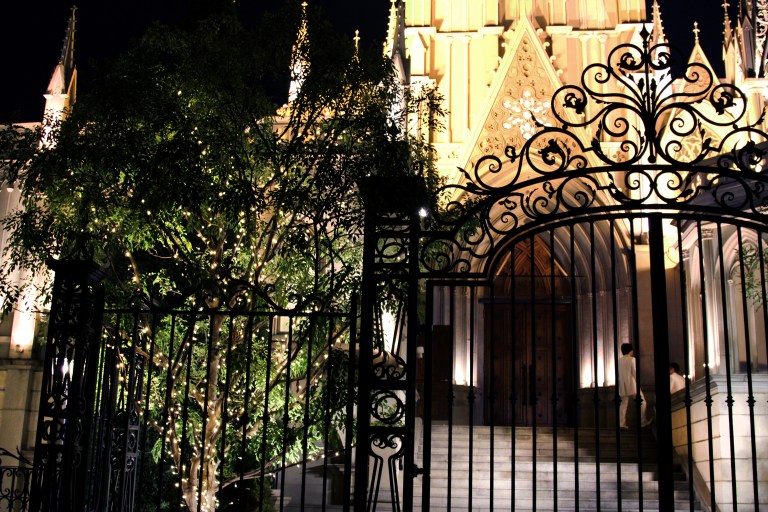
^ This looked too new to be a “real” church, so I think it might just be a chapel for irreligious wedding ceremonies with fairytale aspirations. I might be wrong. Regardless, ’twas a looker at night.

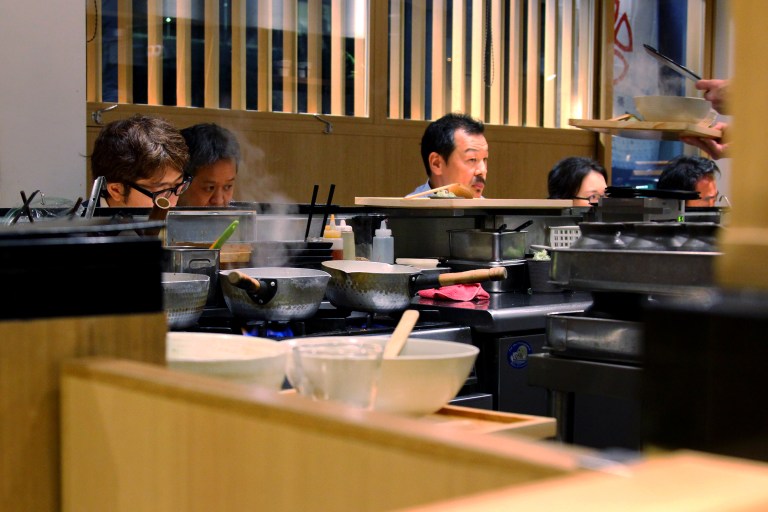
Kind of accidentally came upon a seemingly popular soba place, where I proceeded to not order soba. Because YOLO and you can eat soba many times during that one lifetime. Anyway.

IMG_3236-1

IMG_3234-1

IMG_3233-1

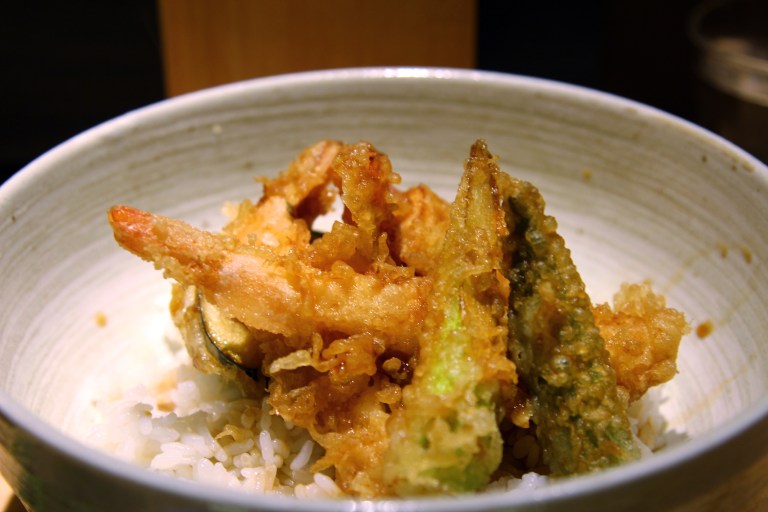
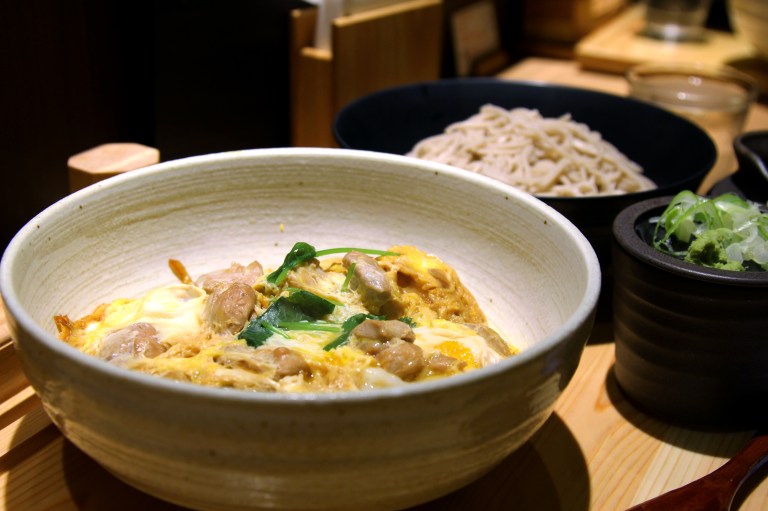
^ My ten-don (天丼) and my friend’s oyakodon (親子丼) and soba (!!) combo.

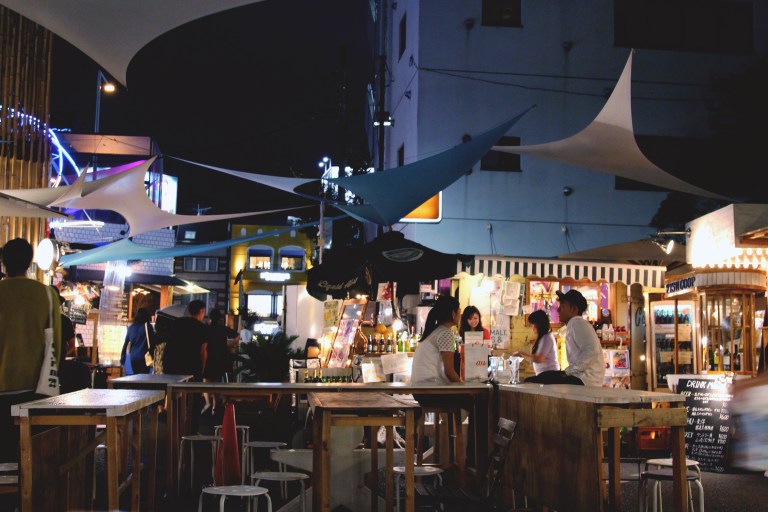
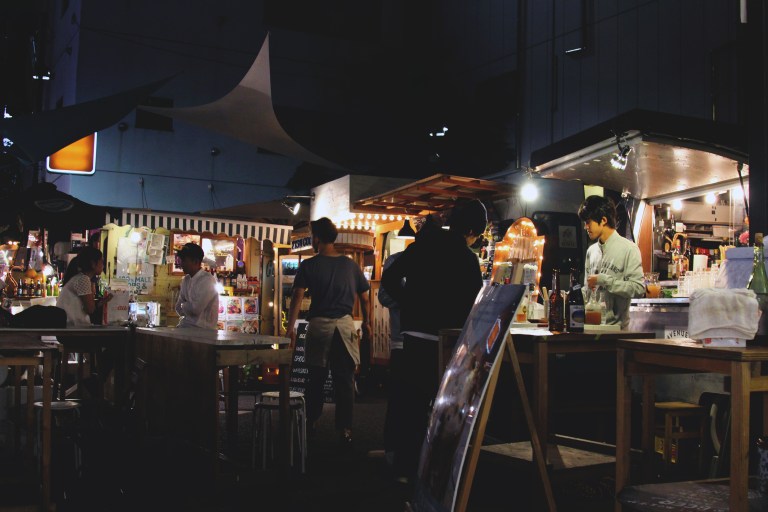
The final stop of this too-long post is Commune 246, an outdoor food truck, drinks and live DJ space randomly lodged in an alley. The food isn’t pricy at all, and one of the DJ’s mixed 70’s/80’s Japanese funk/pop with great beats. It’s a great spot both for frolicking with friends and people-watching, if you’re into checking out people cool enough to pull off sandals-and-socks with grace.

IMG_3247-1

IMG_3240-1

IMG_3241-1

IMG_3238-1

Thanks for sticking around! Until next time.