Kamakura; Eating Monja

Long time no see! I’ve been at school for six weeks and, thanks to immense luck and Princeton’s unreasonable wealth, I’m back in Japan (!!!). I’m currently on a 10-day class trip stopping first in Kyoto, then Hiroshima, and eventually in Tokyo (!!!).

In honor of this, here’s a throwback to the summer:

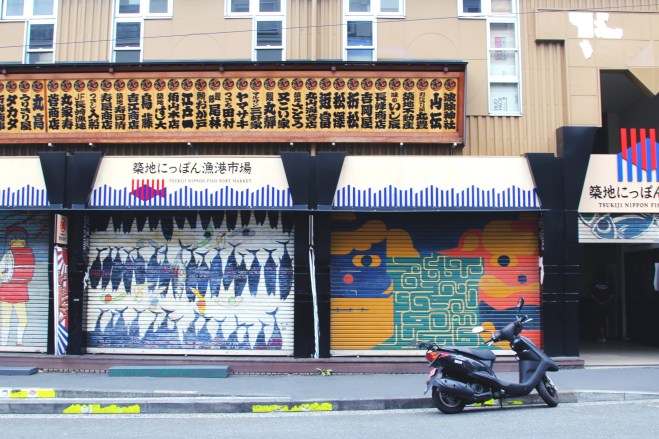
Sometime in August, I was able to take a day trip to Kamakura thanks to a friend’s family car, and since we got there rather late and it was ridiculously crowded that day, we got tired quickly and decided to head back to Tokyo for dinner. Not wanting the night to end blandly, we decided to go for monja, a more, uh, interactive cuisine (you’ll see what I mean), on the famous Tsukishima monja street featured in this earlier post.

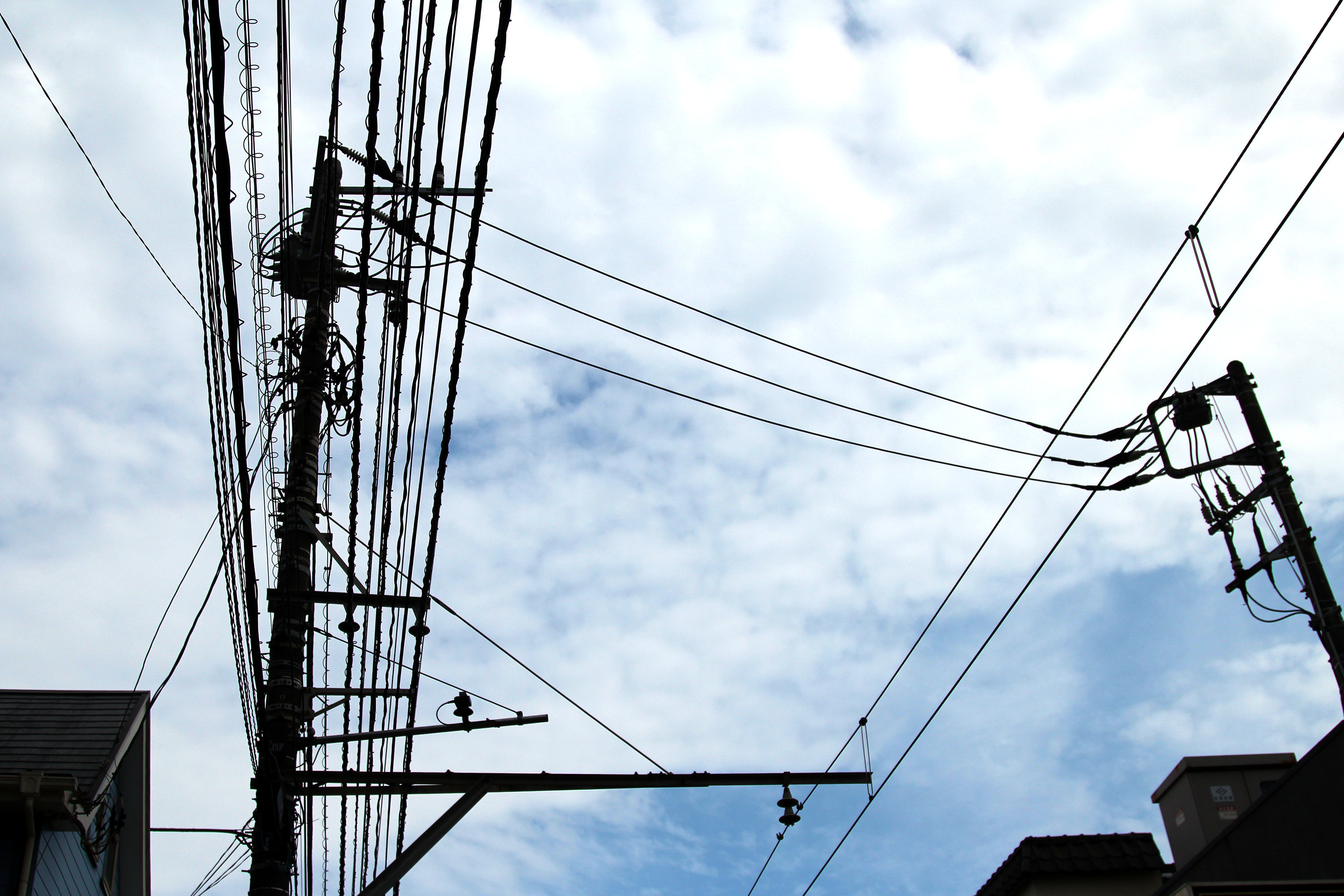
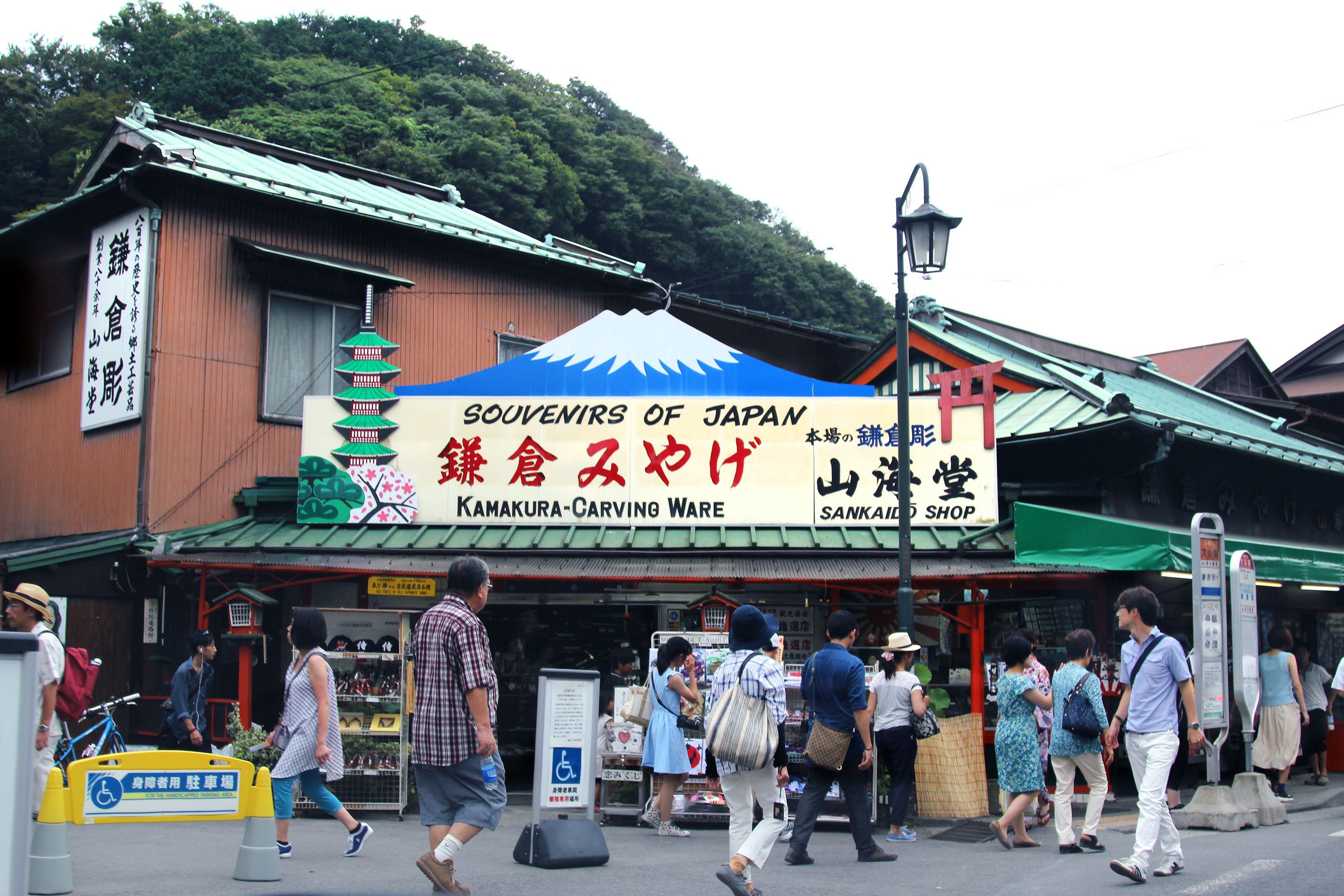
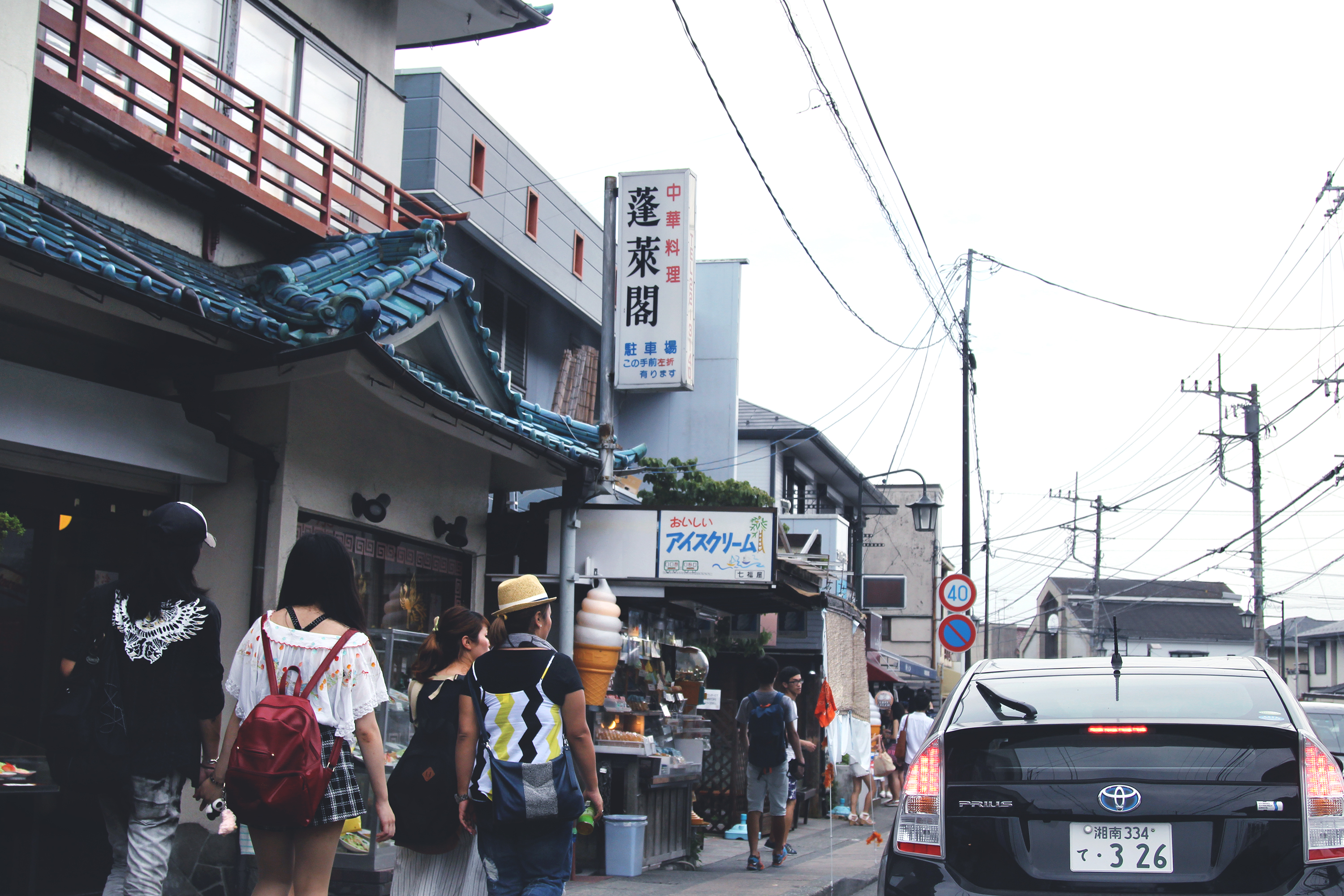
Snaps from the drive:

IMG_2837-1

IMG_2841-1

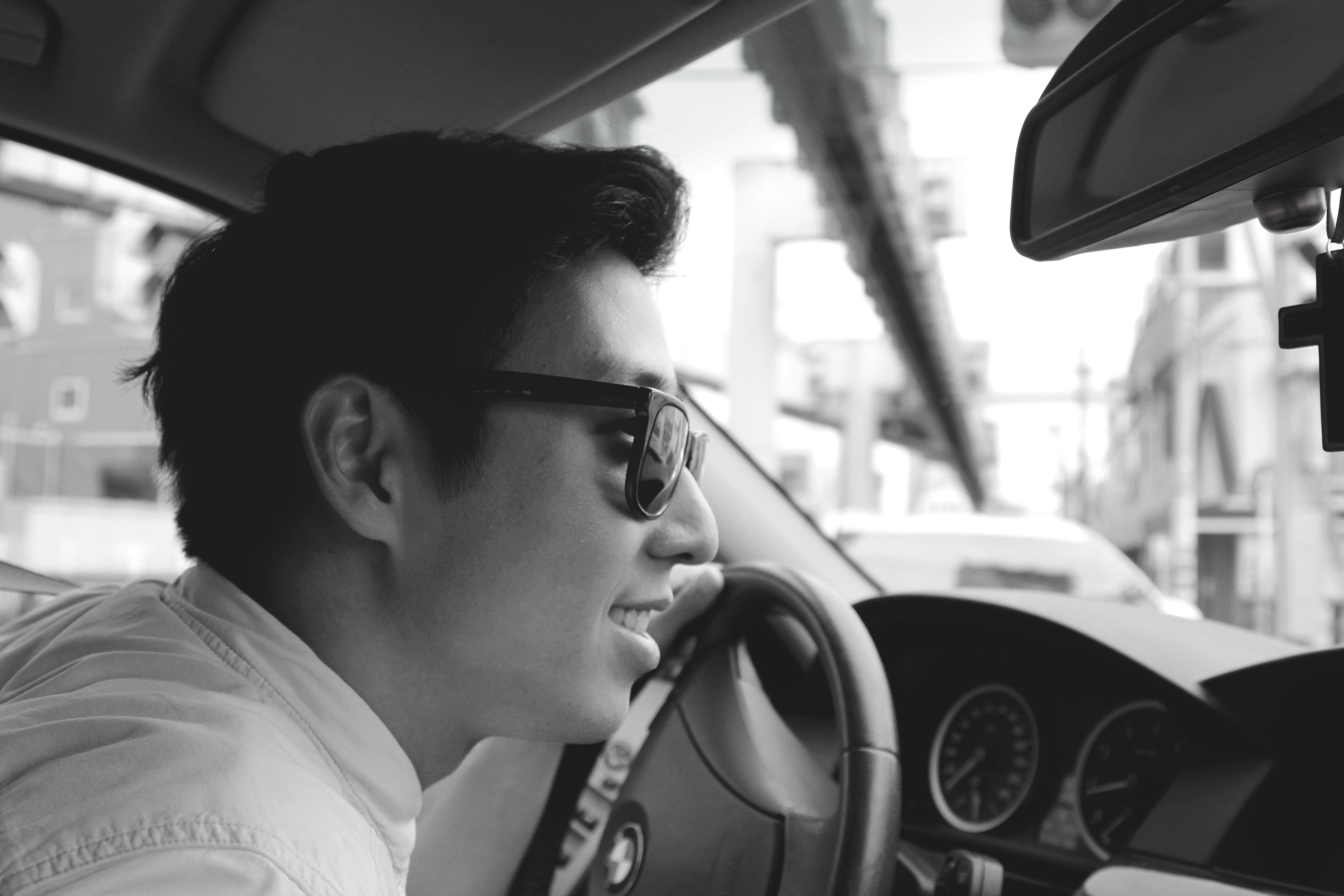
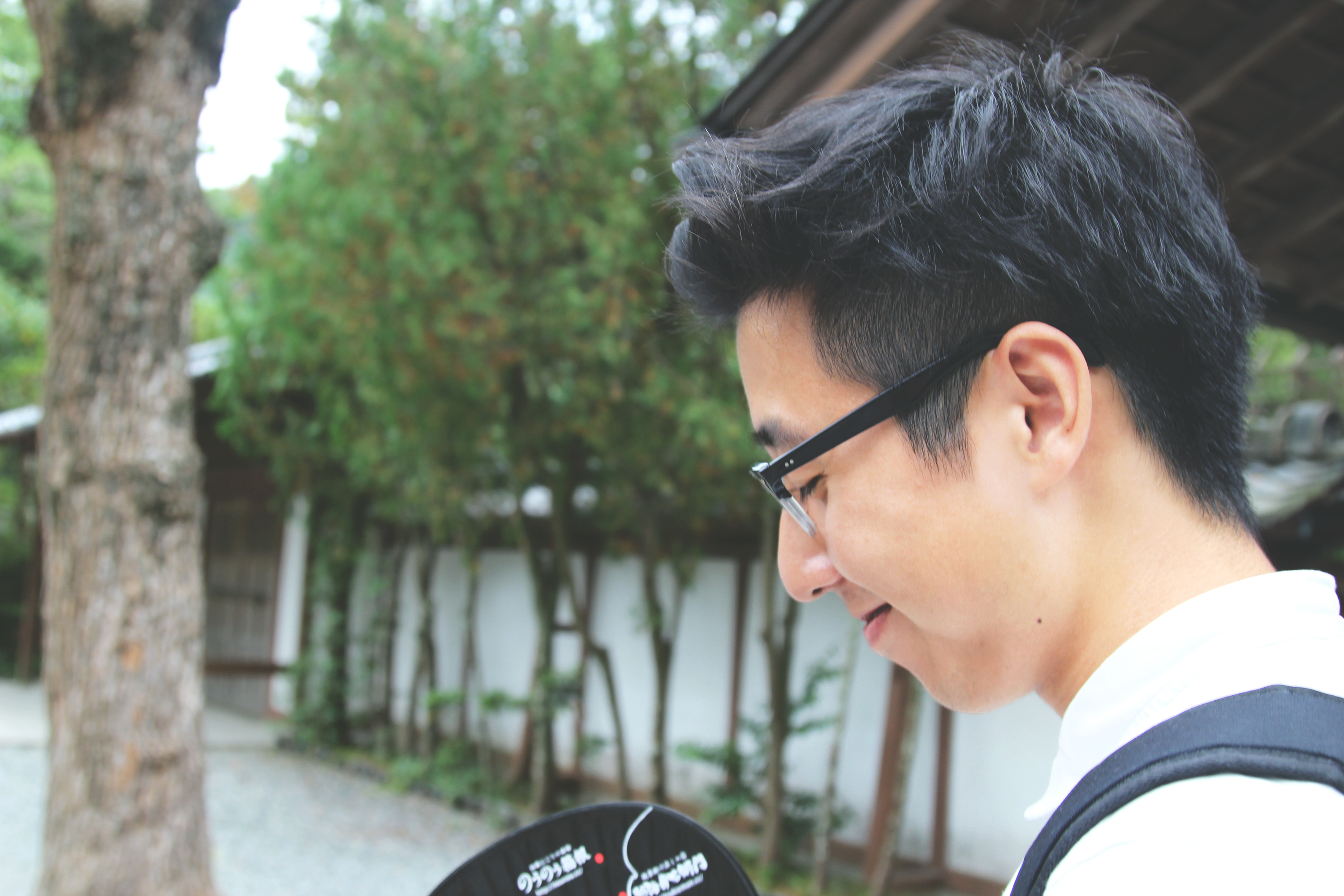
^My trusty chauffeur. (Drivers’ seats are actually typically on the right side in Japan, in case anyone was about to call me a fraud. Long story.)

IMG_2846-1

IMG_2849-1

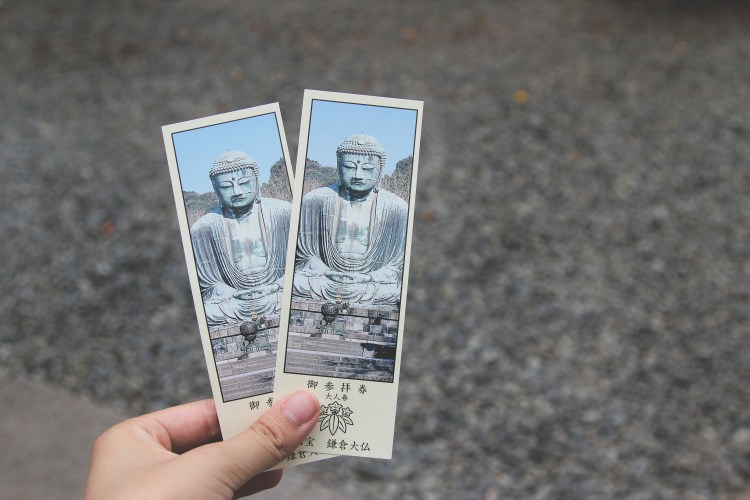
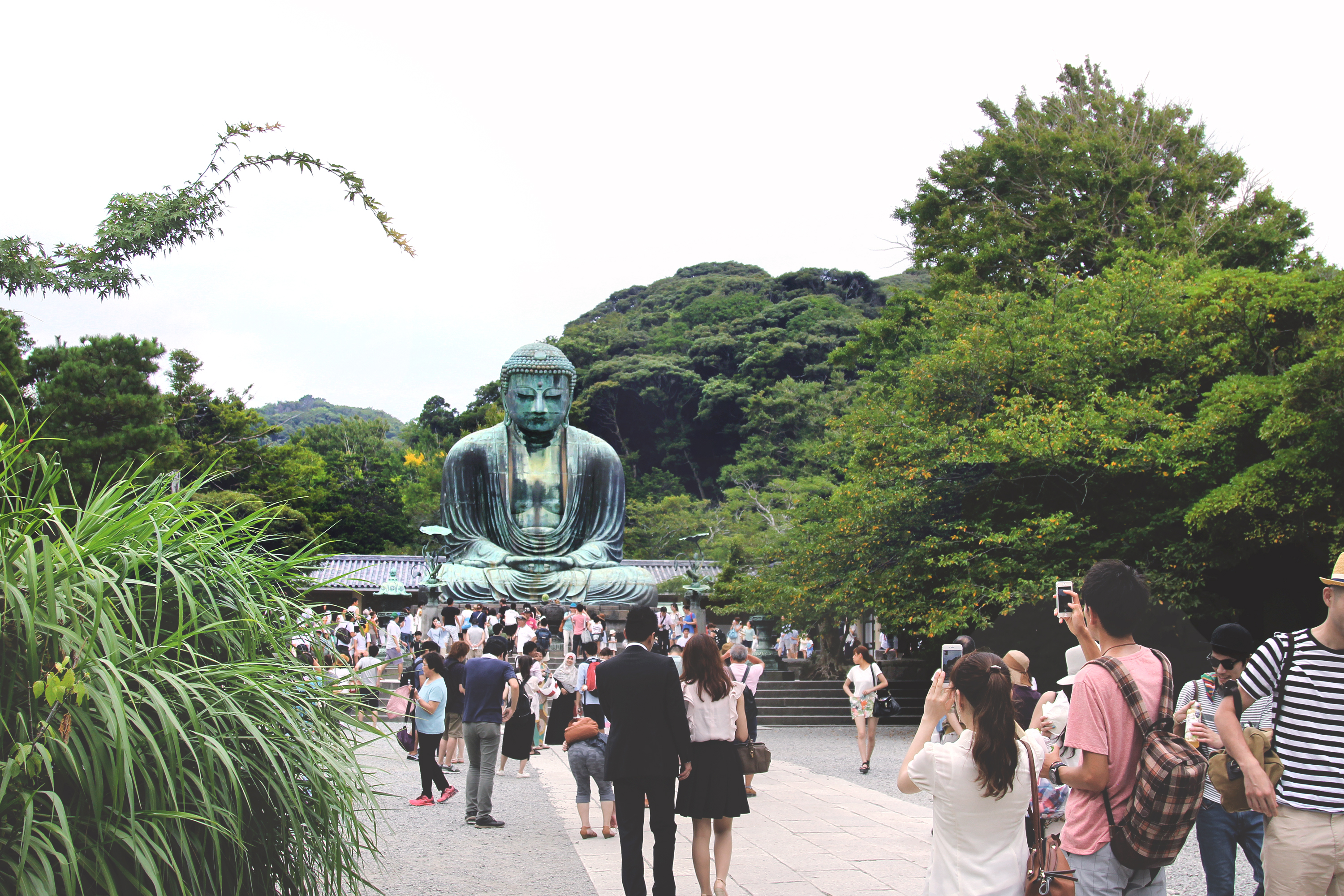
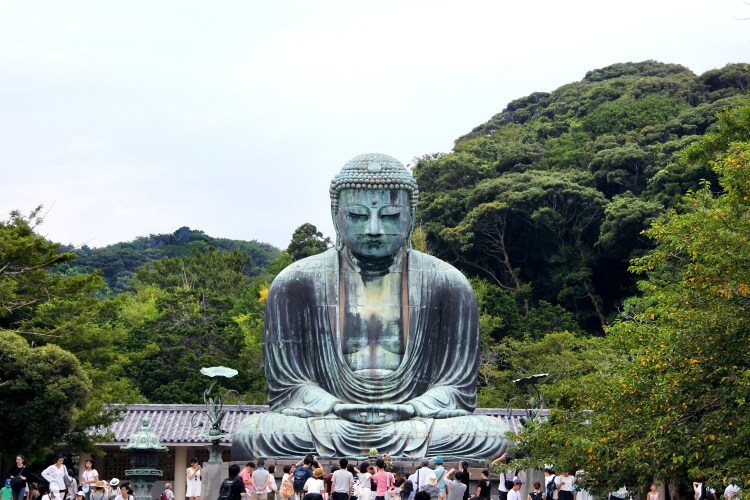
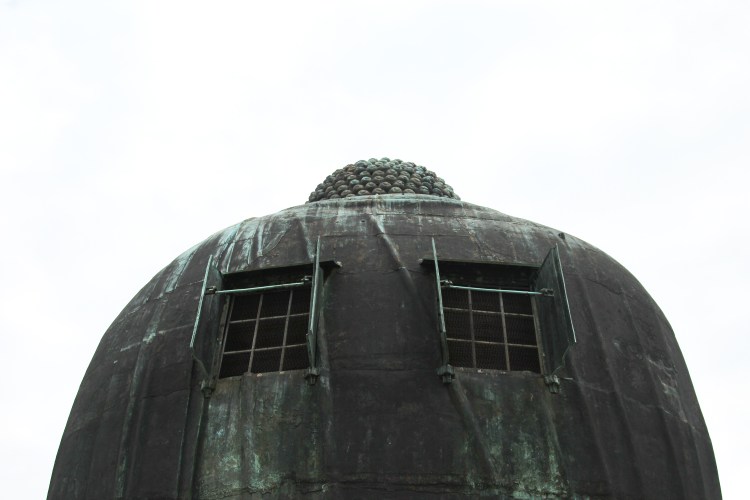
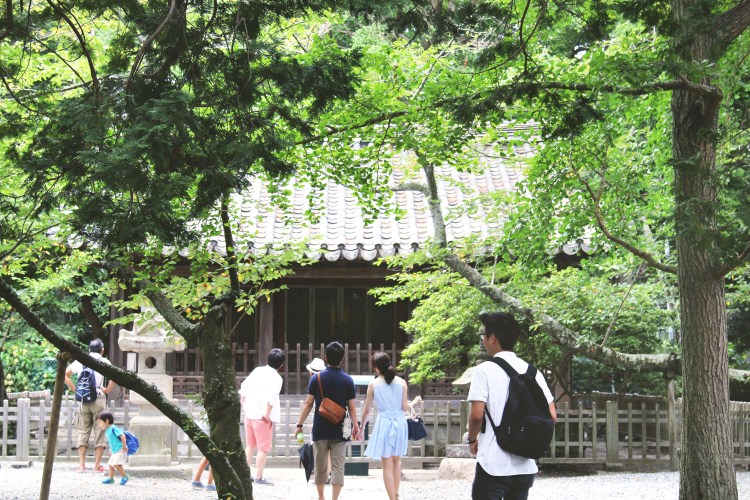
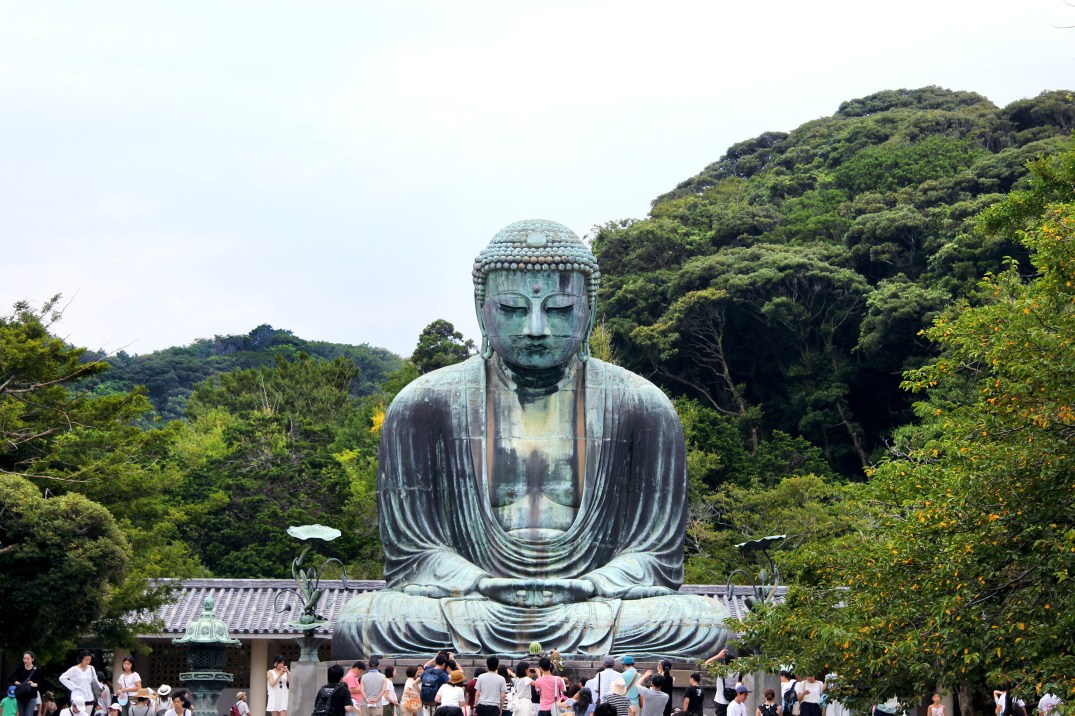
We had originally planned to see a couple of temples and a museum in Kamakura (鎌倉, a historical city/town about an hour’s drive from Tokyo), but the traffic was downright cruel and pretty much every notable site in Kamakura closes by 4:30 pm, so we only made it to one of our destinations: Kotoku-in (高徳院), where the iconic Daibutsu (大仏, lit. Big Buddha or, more ceremoniously, Great Buddha) is located:

IMG_2855-1

IMG_2856-1

IMG_2857-1

IMG_2860-1

IMG_2894-1

The back of the Buddha opens up for maintenance and repairs.

IMG_2870-1

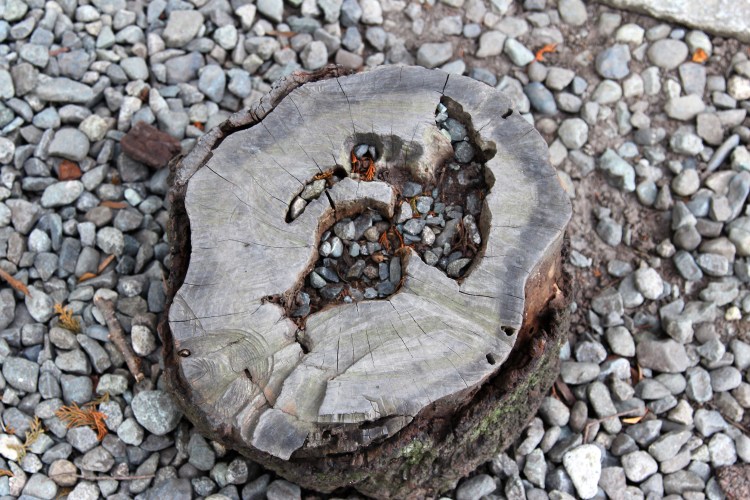
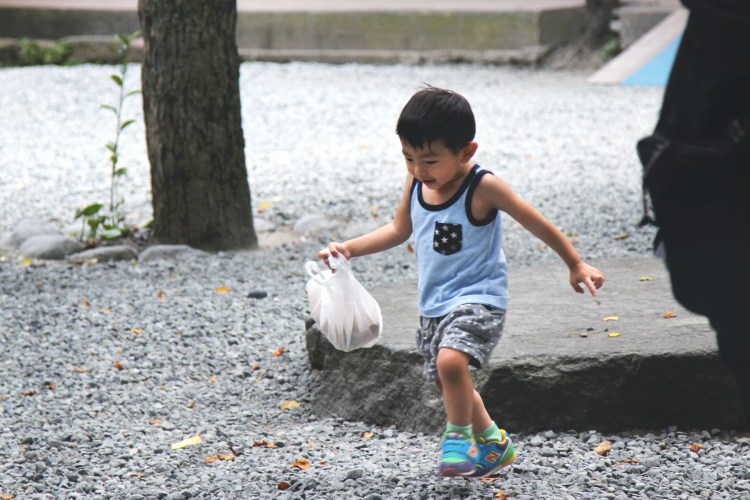
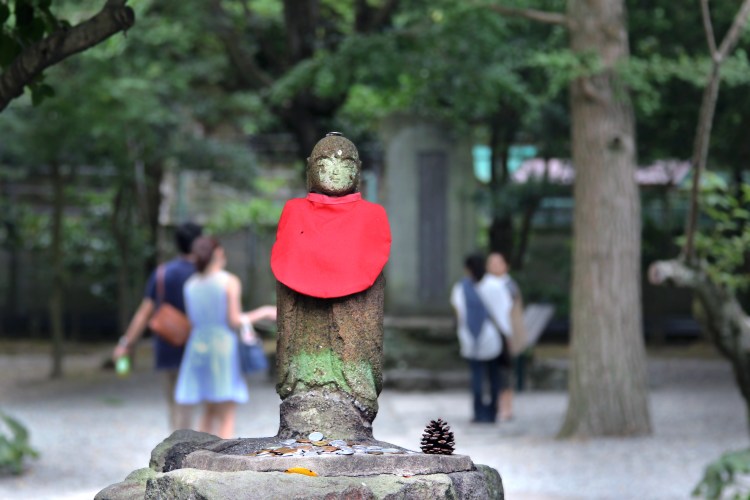
The temple didn’t have much aside from the above main attraction, though it did have a small back garden and souvenir shop.

IMG_2875-1

IMG_2885-1

IMG_2877-1

IMG_2881-1

We also drove around the beach, but that was extremely overpopulated so it was straight back to Tokyo for us.

Next up: monja!

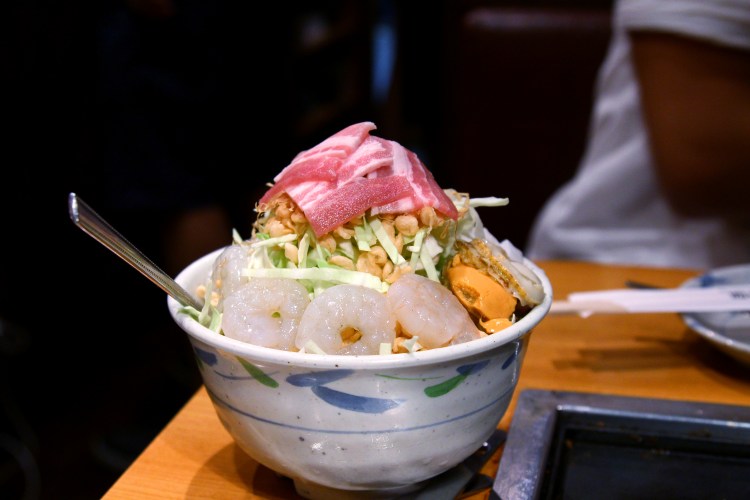
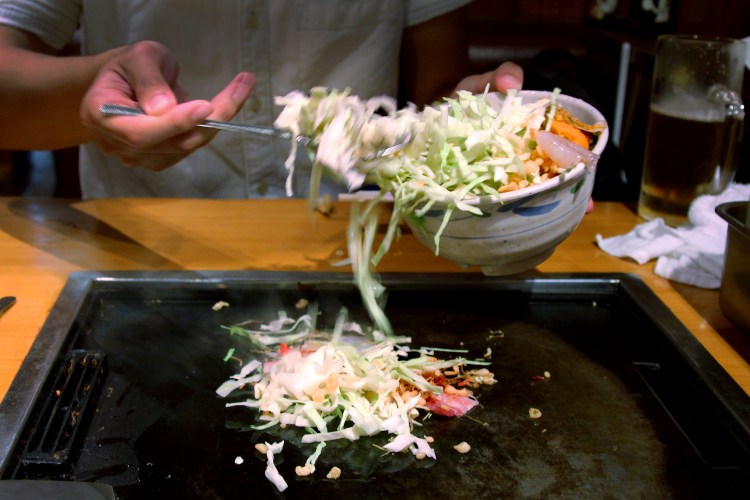
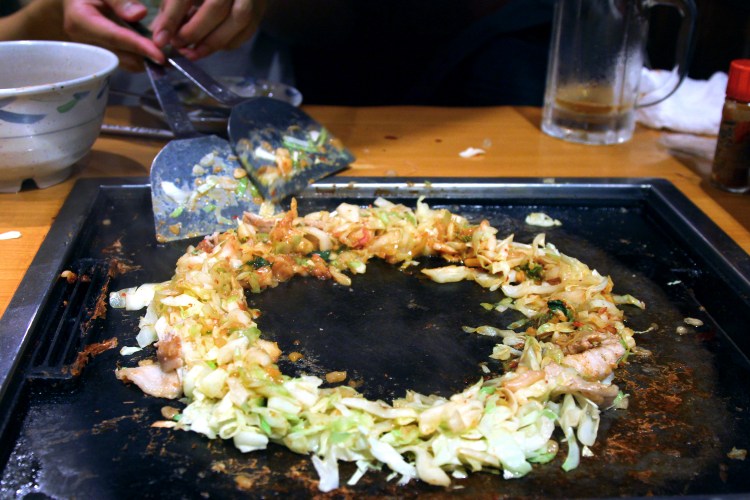
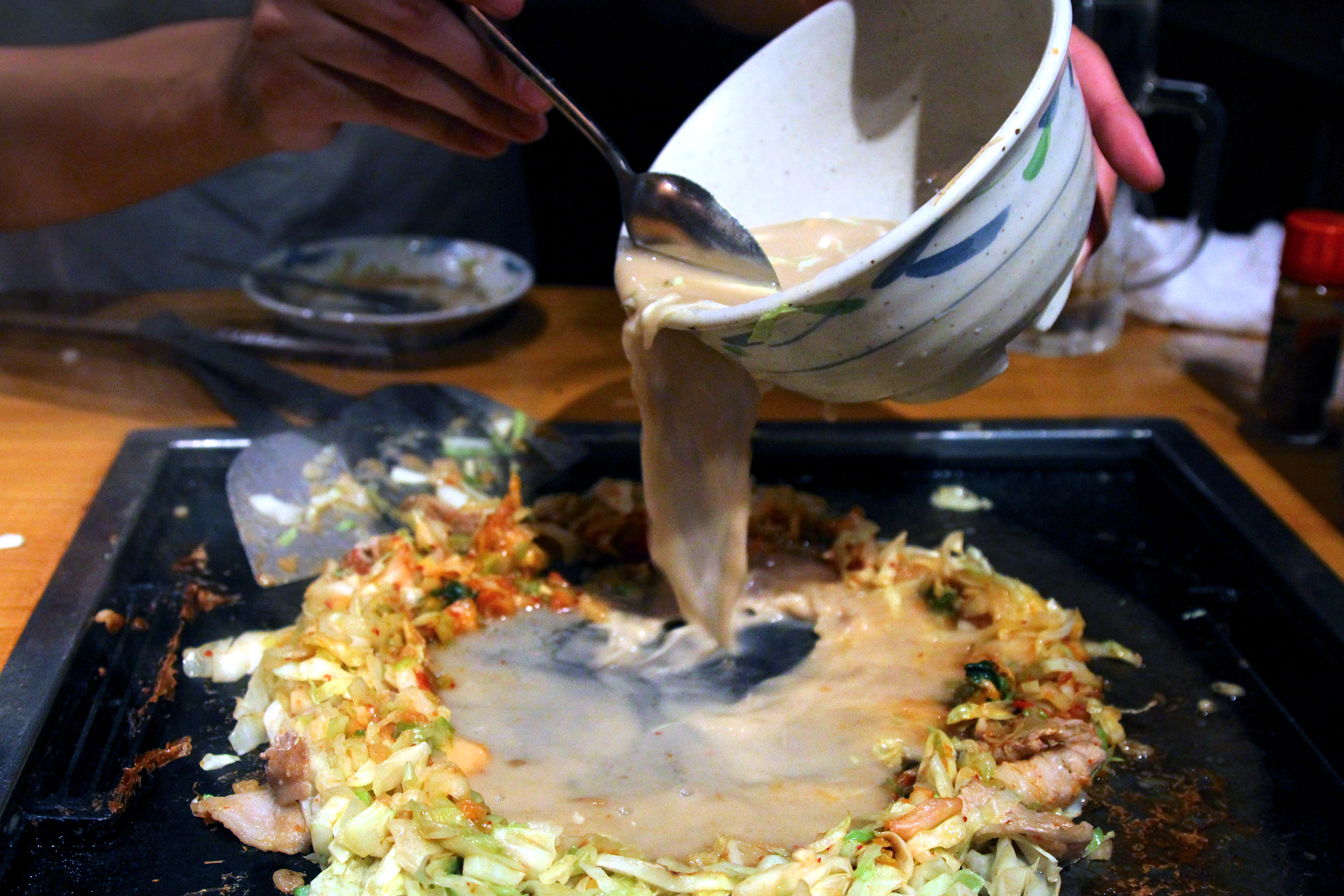
A few things about monja. It’s a type of cuisine from western Japan that has somehow become the landmark food for Tsukishima, where I lived over the summer. On the main street (known colloquially as Monja Street) alone, there were easily over three dozen monja restaurants. It comes in a bowl, typically with vegetables and some kind of meat/seafood, with batter on the bottom. The customer then cooks the concoction over an iron griddle. This is all better explained with pictures:

IMG_2907-1

IMG_2909-1

IMG_2918-1

IMG_2919-1

^The solid foods are arranged into a ring so as to contain the batter.

IMG_2921-1

When the batter somewhat solidifies into a runny dough, everything is mixed together…

IMG_2924-1

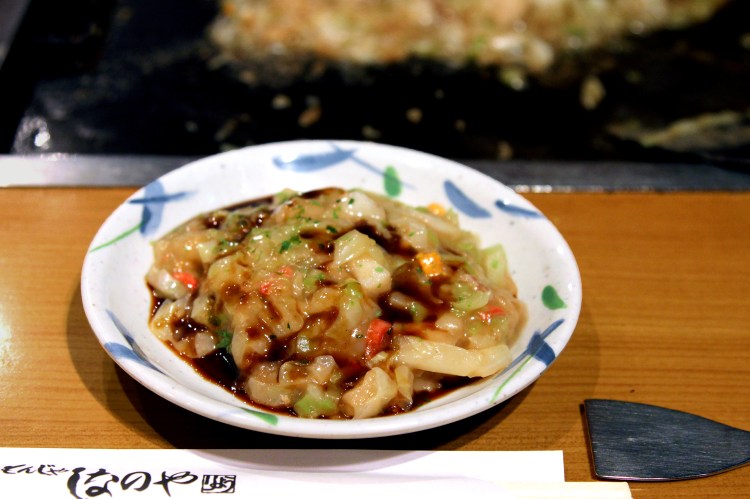
…then it’s ready for seasoning & devouring!

IMG_2912-1

IMG_2905-1

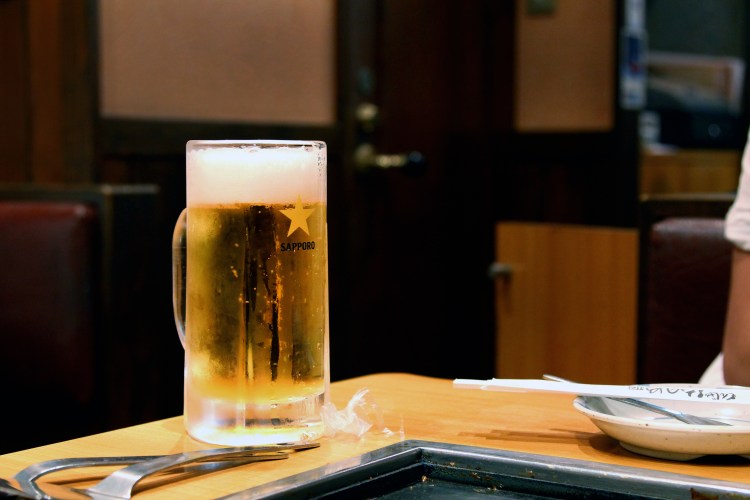
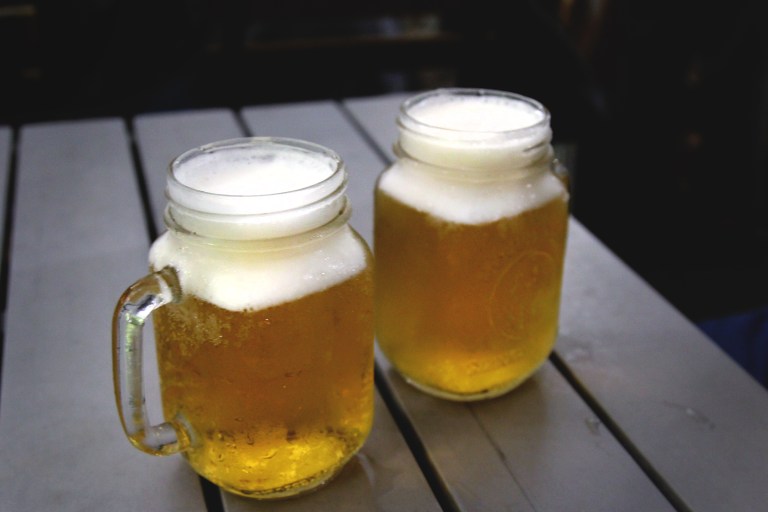
Best served, of course, with a tall glass of Japanese beer.

Kyoto & Princeton posts coming in the near future, I “promise.”

West Side Tokyo Story

I’m back in Taipei and leaving for New York in two days, but the backlog of Japan photos & thoughts are alarmingly aplenty…

At least I’ll have something interesting to share while stuck on campus.

Today will be dedicated to a virtual tour of the “cool” half of Tokyo in which I did not live — the west side, where you can find the world-famous shopping districts for younger consumers, including Shibuya and Harajuku. That being said, I was mostly looking for ways to waste my money instead of taking photos when I was there, so most of the visuals here are actually from the quieter areas.

Let’s start with Shibuya (渋谷).

I wish I’d taken photos of my favorite food here — gyukatsu (牛カツ, essentially fried sliced steak). For anyone in the area, I highly, highly recommend it.

IMG_3220-1

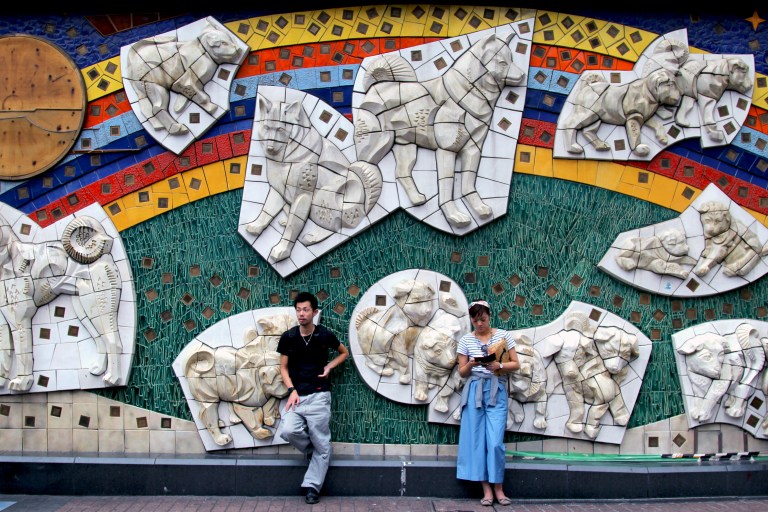
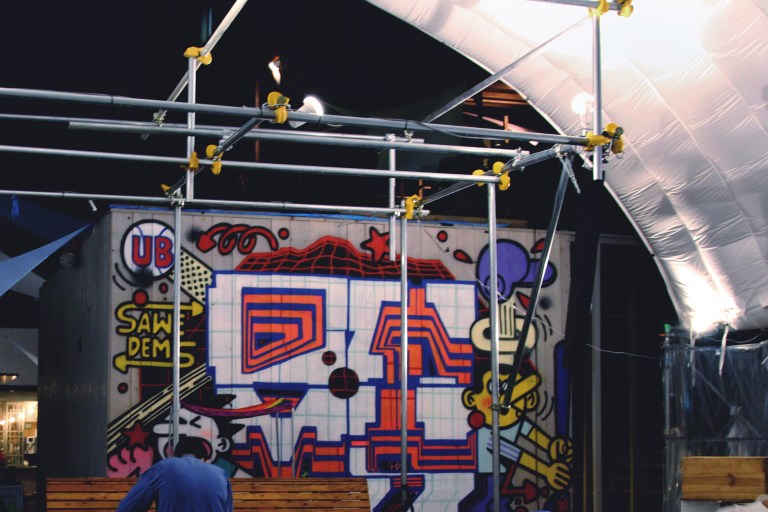
This is, IMO, the trippiest wall in all the land. It’s an artistic/under-the-influence take on Hachiko (ハチ公), the legendary statue of the loyal dog who waited for his dead master at the station every day until his own death. (I will shamelessly admit that I cried a lot while watching the Richard Gere adaptation of this.)

I don’t actually have a photo of Hachiko on my DSLR cause it seemed a little too touristy (I always regret the photos I don’t take while feeling too touristy), but it looks like this. It’s something of a Tokyo cliché to wait for people near Hachiko — you know, following the whole waiting theme — but this is really a horrible idea due to the sheer volume of fellow waiters. Personally, I found the rainbow wall of 3D Hachikos a much smarter alternative. Call it a pro tip, I guess.

IMG_3222-1

IMG_3223-1

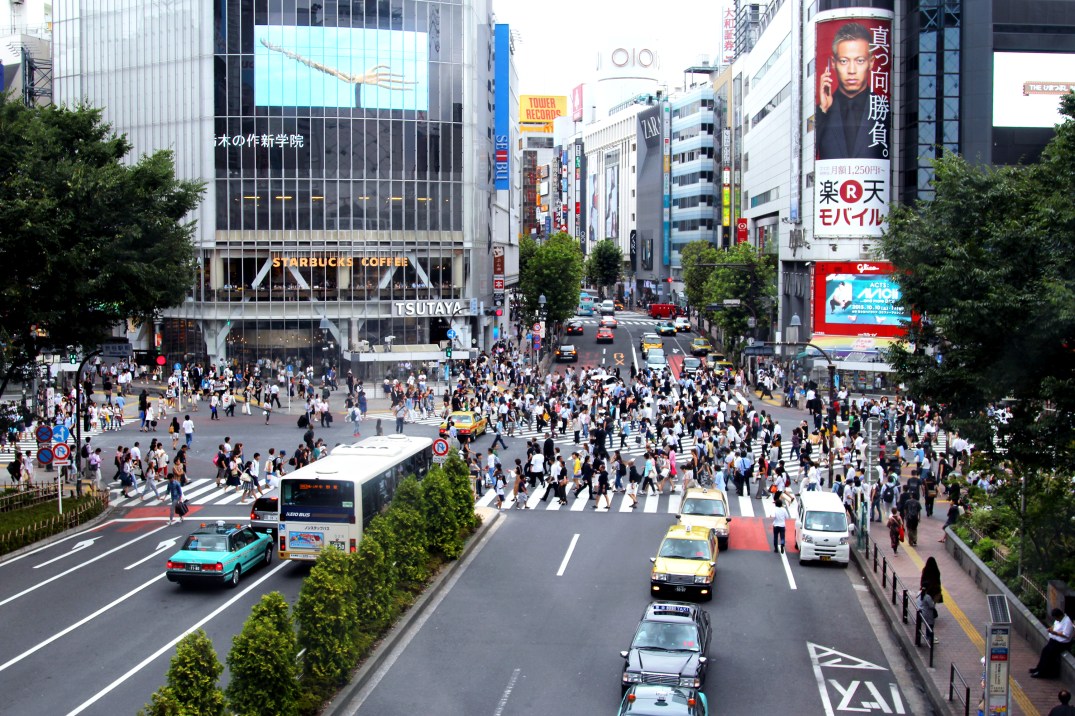
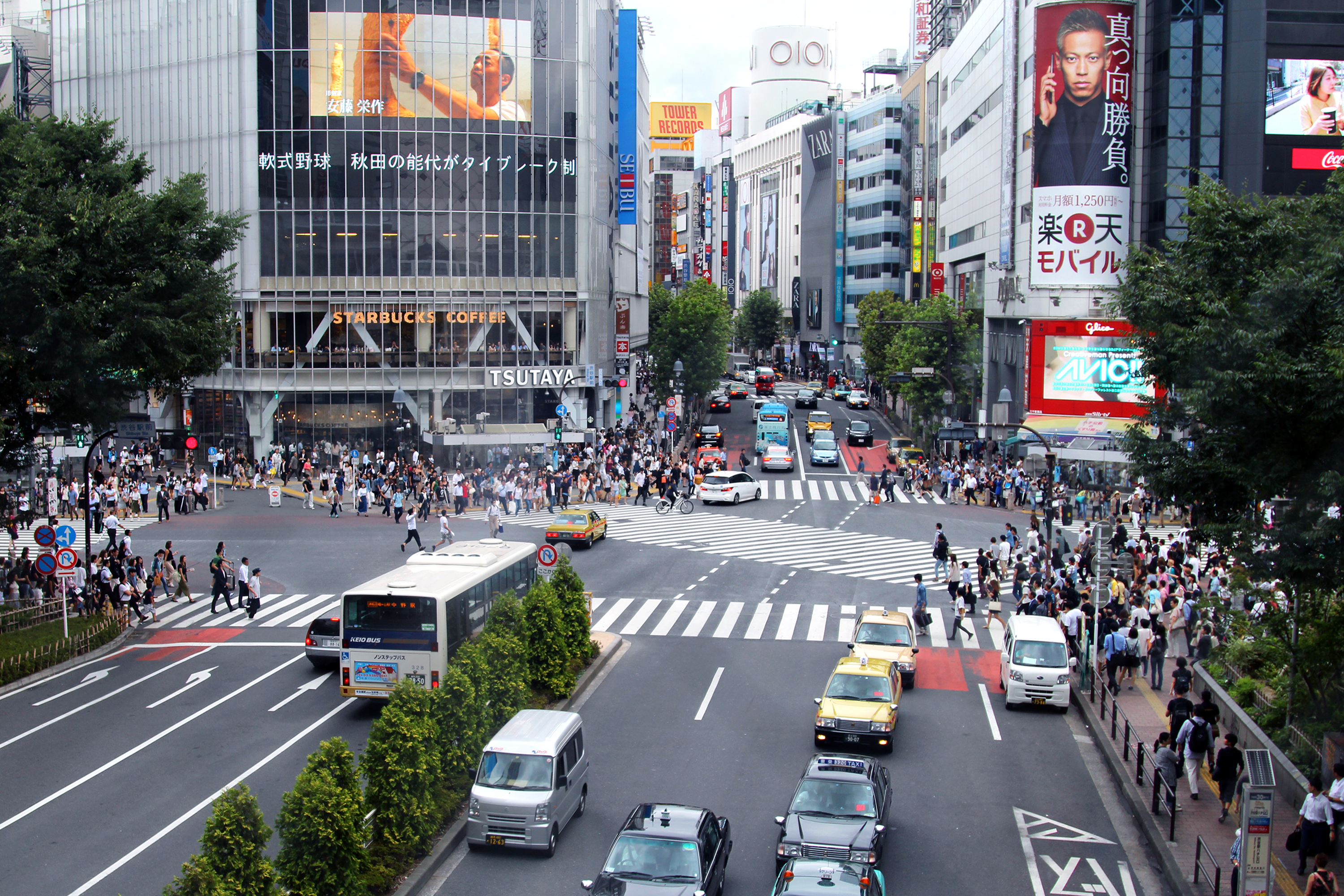
^The famous Shibuya Scramble Crossing. Fun fact #1: this is actually just considered a fairly normal crosswalk in Japan.

Fun fact #2: a lot of people go to the Starbucks pictured above to take photos of the Crossing. I found that the view from the second floor of the train station offers just as good a view for free (you have to buy a coffee to sit at the Starbucks window), plus you get a shot of the famous Starbucks as well.

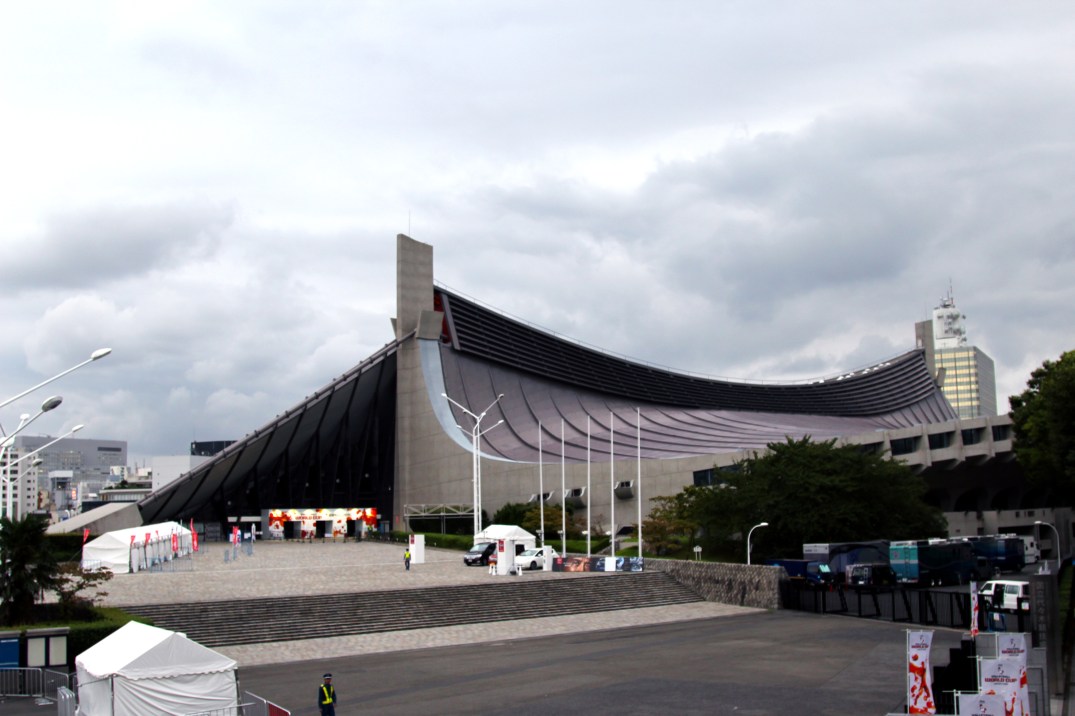
Moving north, we walk through Yoyogi Park and the Yoyogi Stadium (代々木体育館, built for the 1964 Tokyo Olympics):

IMG_3226-1

IMG_3228-1

The following is perhaps my favorite section of Tokyo: you can go from historical (Meiji Jingu/Shrine, 明治神宮) to lower-budget fast fashion (Harajuku, 原宿) to high-end lifestyle galore (Omotesando, 表参道) within just a few blocks. With each area fully committing to its own reputation, a stroll uphill becomes a condensed walkthrough of the incredible variety that Tokyo has to offer.

Starting with Meiji Jingu:

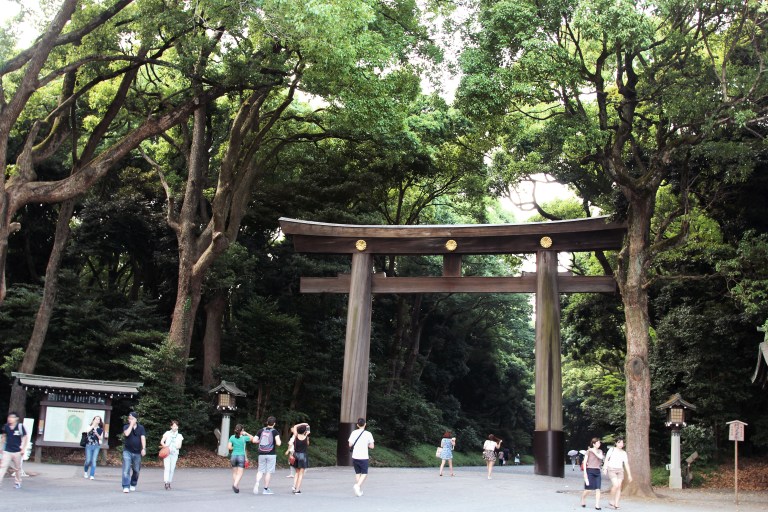
IMG_2621-1

^Let’s just say they really didn’t skimp on this entrance.

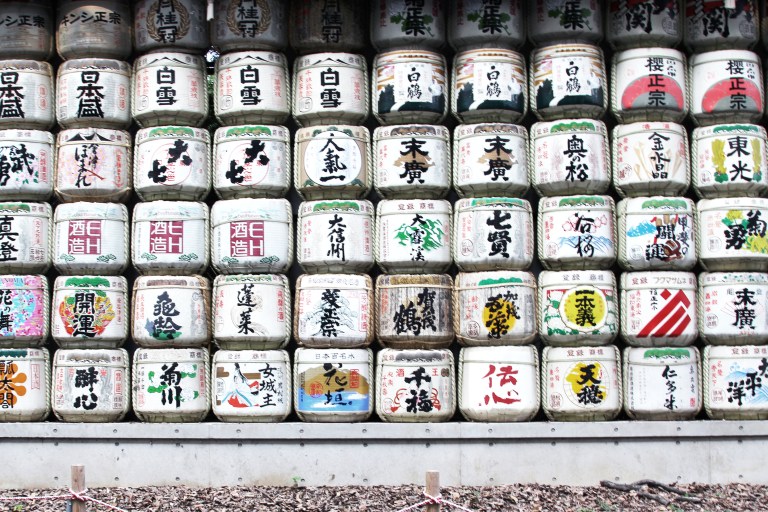
IMG_2624-1

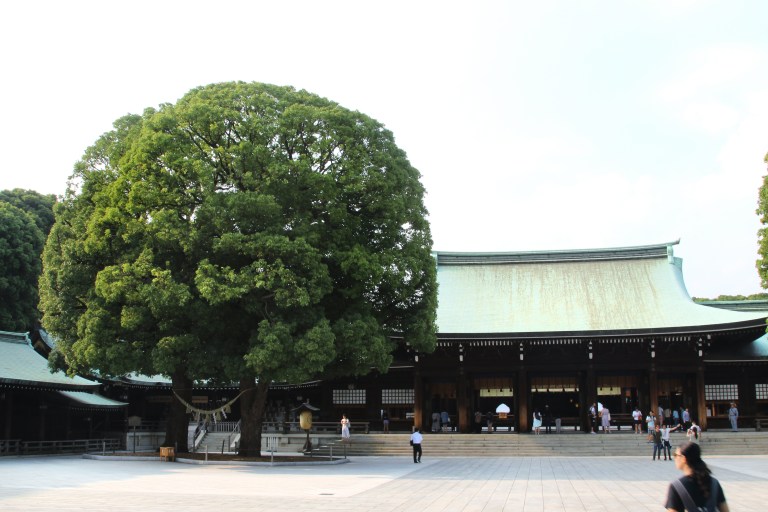
IMG_2627-1

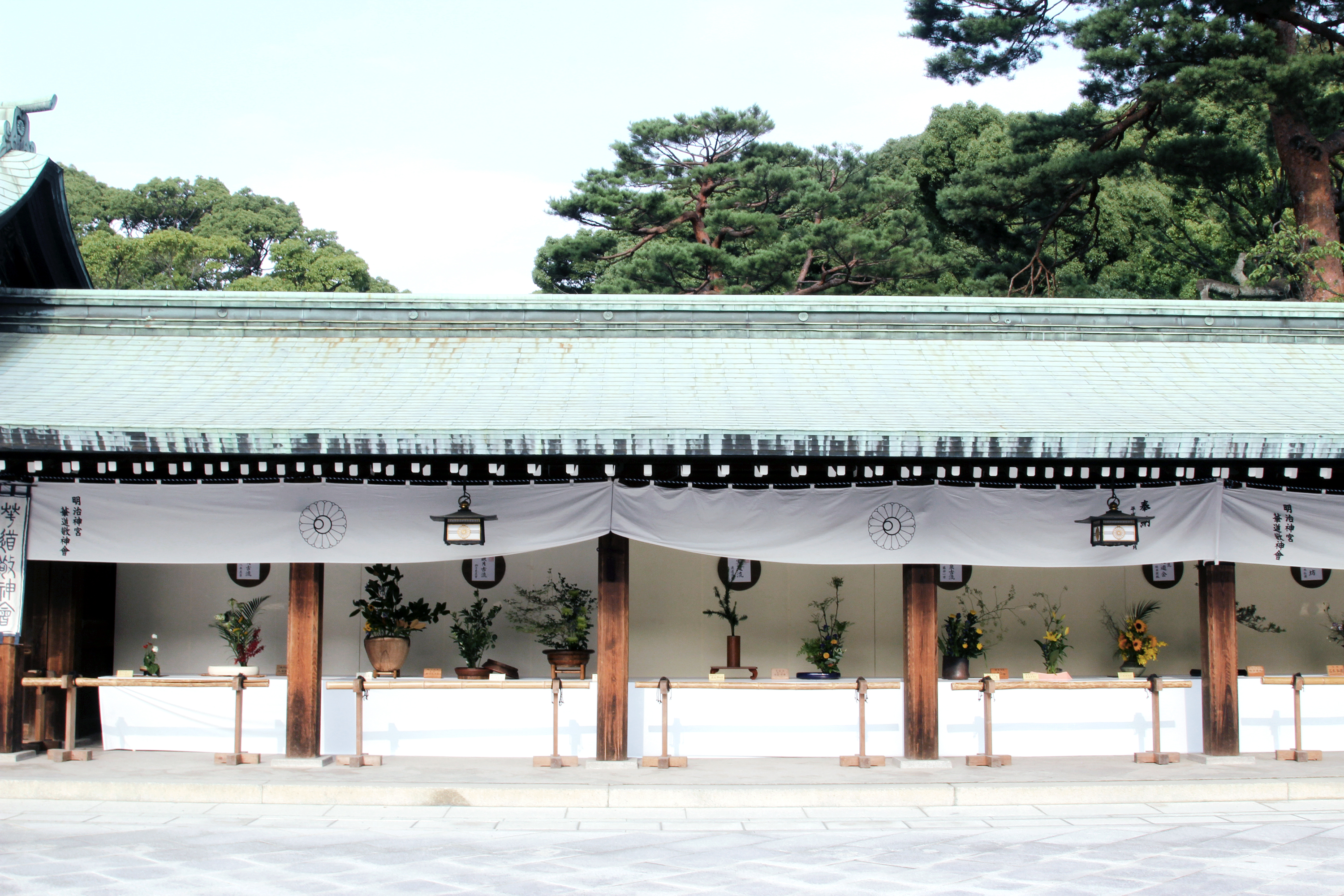
IMG_2629-1

IMG_2644-1

IMG_2628-1

IMG_2643-1

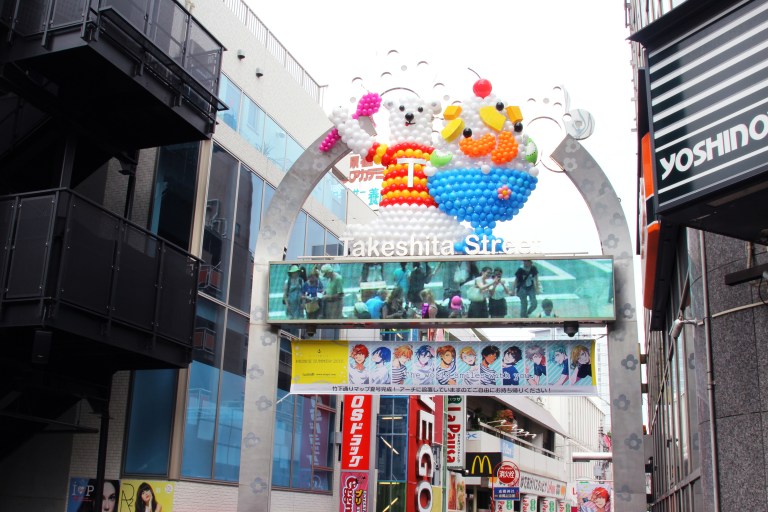
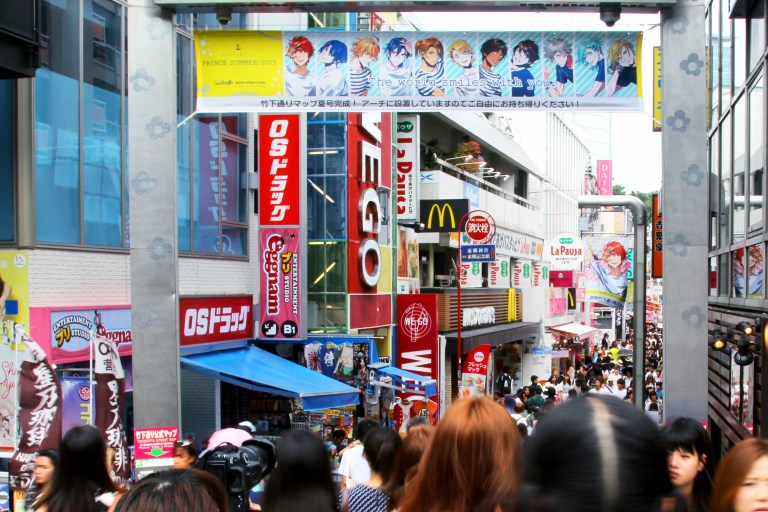
Next up: Harajuku’s famous Takeshita Street (竹下通り), the pedestrian shopping street responsible for Gwen Stefani’s comeback in the mid-2000’s. Given its reputation, I was expecting to spot edgier/weirder fashion here, but at least the few times I went it was just crowded with hip Japanese people, high school kids and far too many tourists. Takeshita’s ungodly density in the hottest months was the reason why I took disappointingly few photos here.

IMG_2614-1

IMG_2616-1

^ Come here on a July afternoon if you want to learn to hate people.

IMG_2618-1

And now onto Omotesando! In short, it’s a fashionable, overpriced area — with many surprises. For instance, the Nezu Museum (根津美術館) with a small but instructive collection of traditional East Asian art, lovely architecture and most important, a huge sculpture garden smack center in one of the priciest neighborhoods in town.

Photos aren’t allowed inside the museum, but are a-okay in the garden.

IMG_3057-1

IMG_3083-1

IMG_3065-1

IMG_3068-1

IMG_3071-1

And now for some nighttime fun in Omotesando.

IMG_3229-1

IMG_3230-1

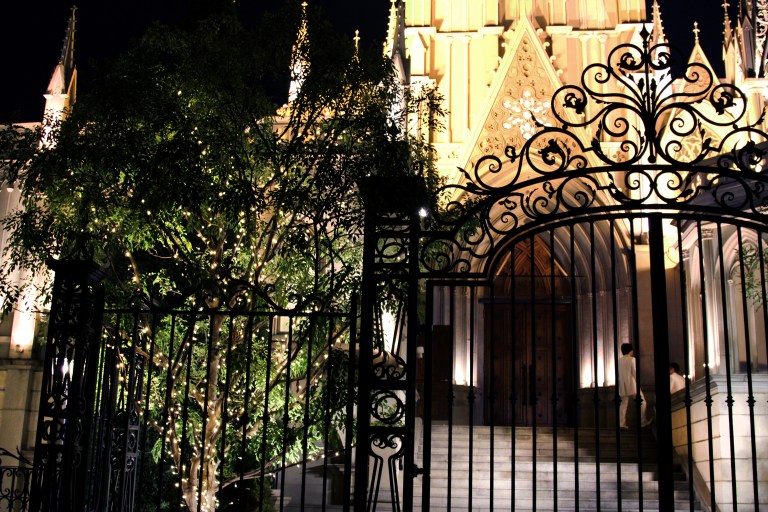
^ This looked too new to be a “real” church, so I think it might just be a chapel for irreligious wedding ceremonies with fairytale aspirations. I might be wrong. Regardless, ’twas a looker at night.

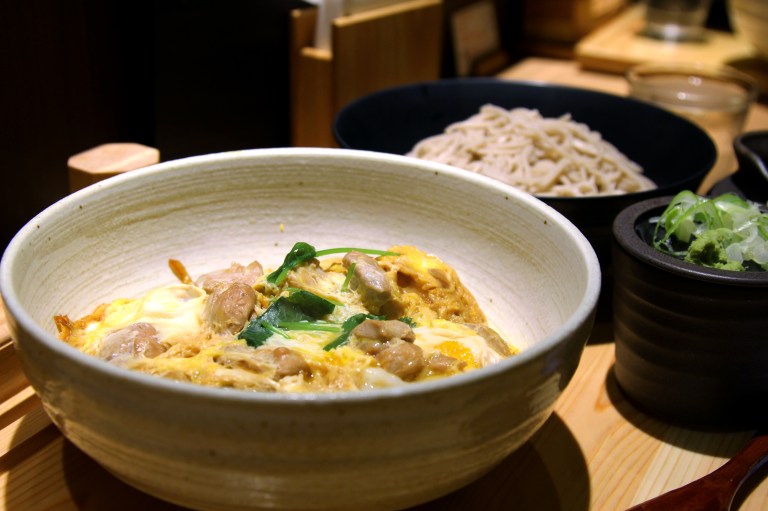
Kind of accidentally came upon a seemingly popular soba place, where I proceeded to not order soba. Because YOLO and you can eat soba many times during that one lifetime. Anyway.

IMG_3236-1

IMG_3234-1

IMG_3233-1

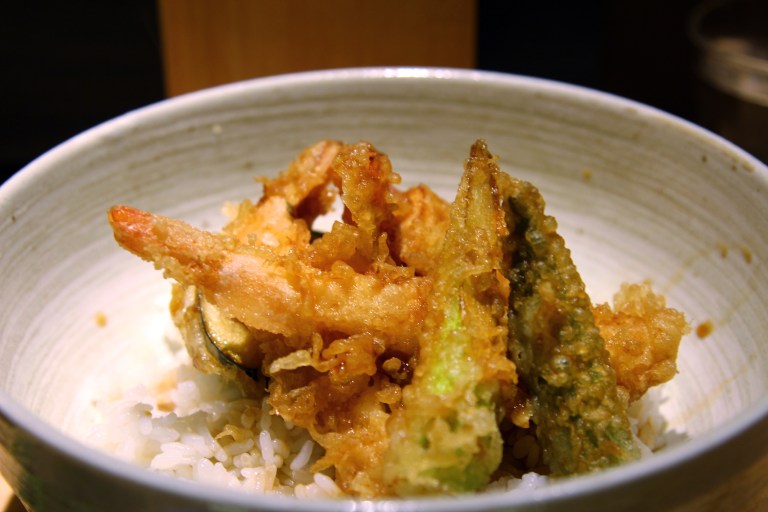
^ My ten-don (天丼) and my friend’s oyakodon (親子丼) and soba (!!) combo.

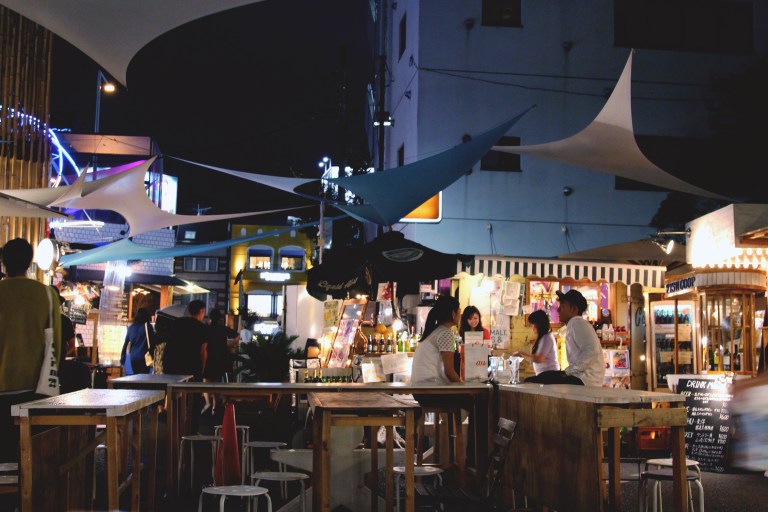
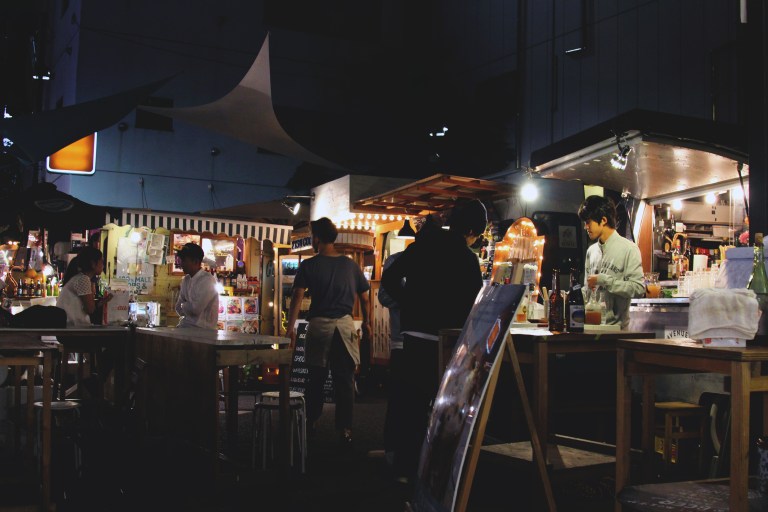
The final stop of this too-long post is Commune 246, an outdoor food truck, drinks and live DJ space randomly lodged in an alley. The food isn’t pricy at all, and one of the DJ’s mixed 70’s/80’s Japanese funk/pop with great beats. It’s a great spot both for frolicking with friends and people-watching, if you’re into checking out people cool enough to pull off sandals-and-socks with grace.

IMG_3247-1

IMG_3240-1

IMG_3241-1

IMG_3238-1

Thanks for sticking around! Until next time.

Daikanyama, Ebisu

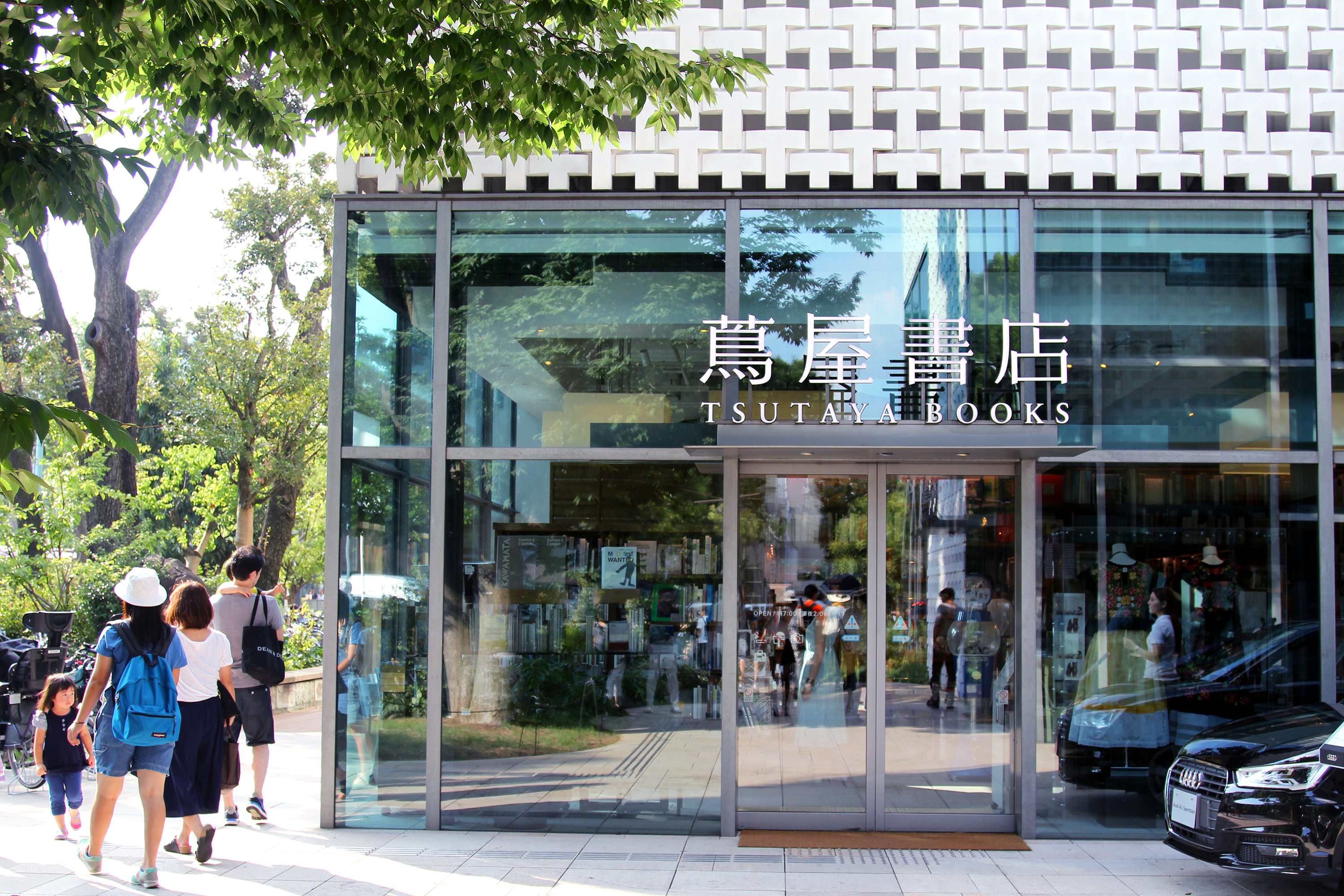
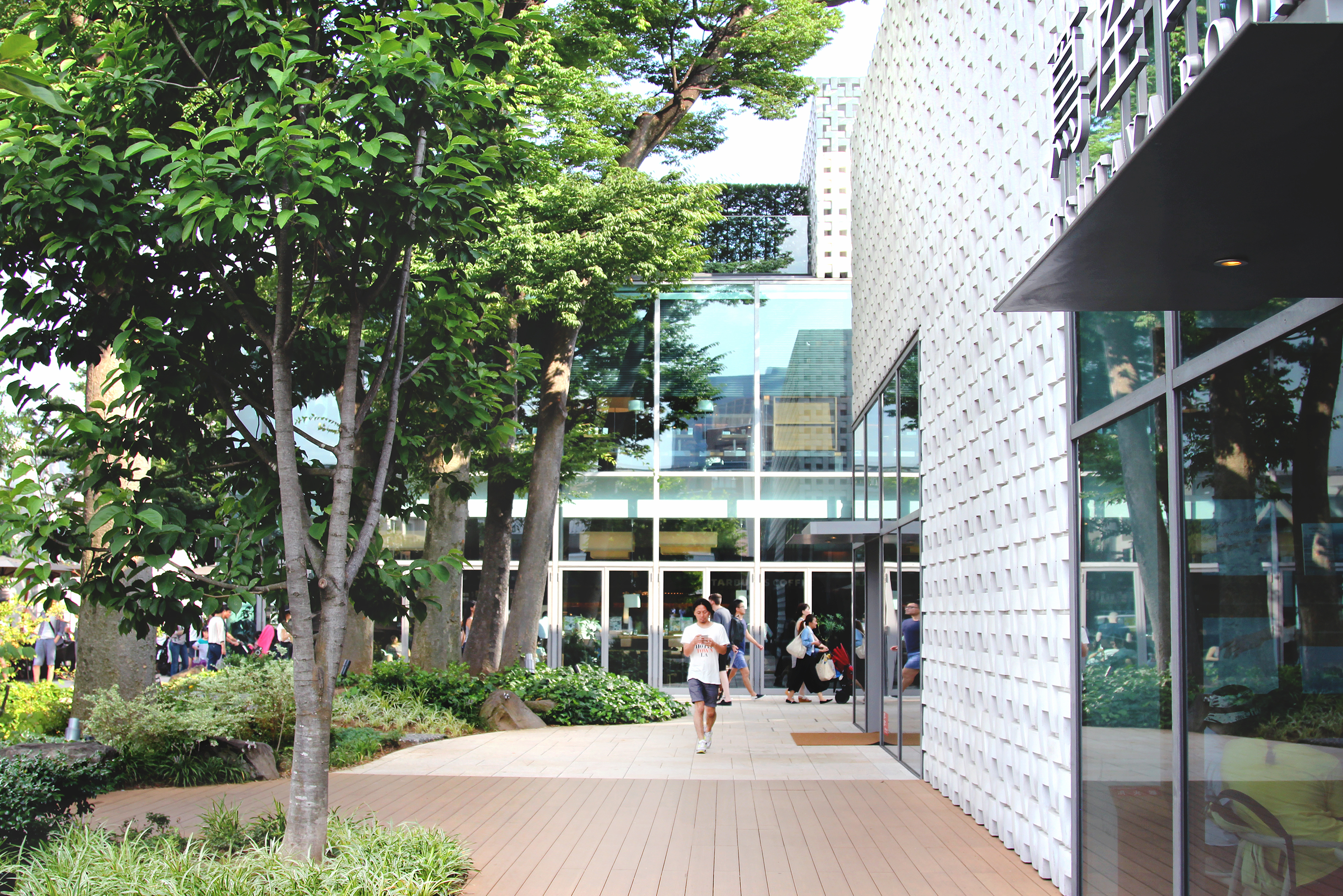
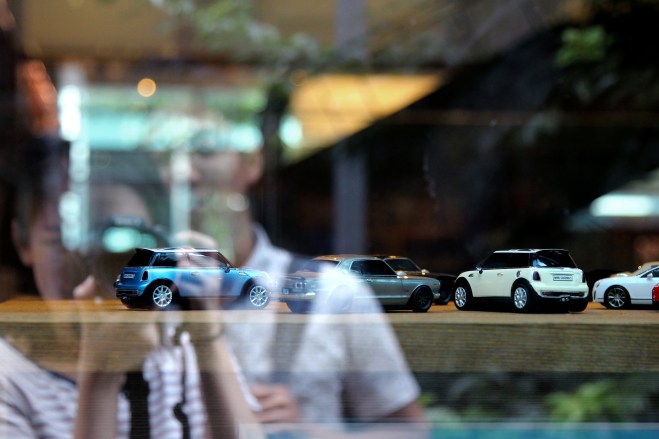
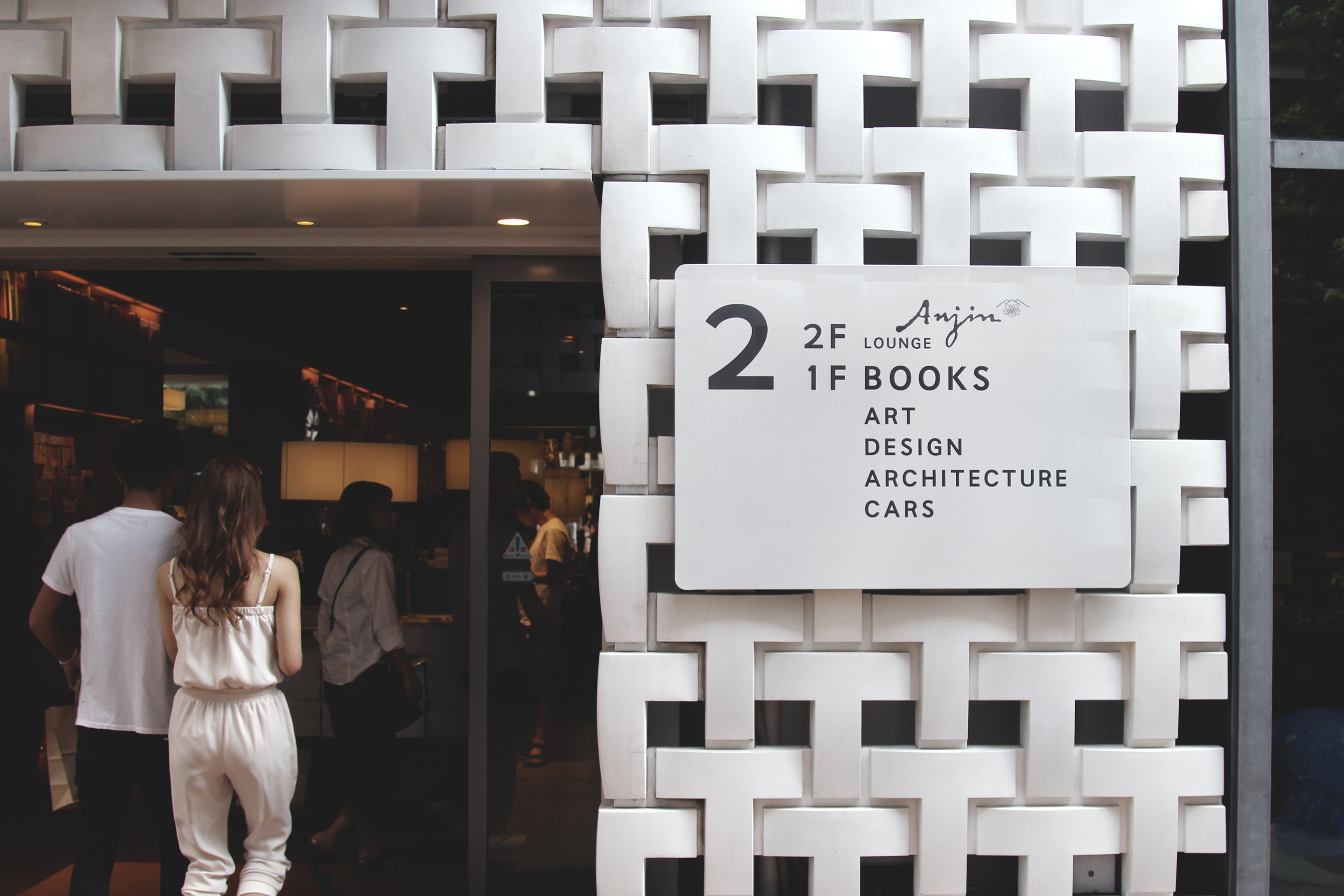
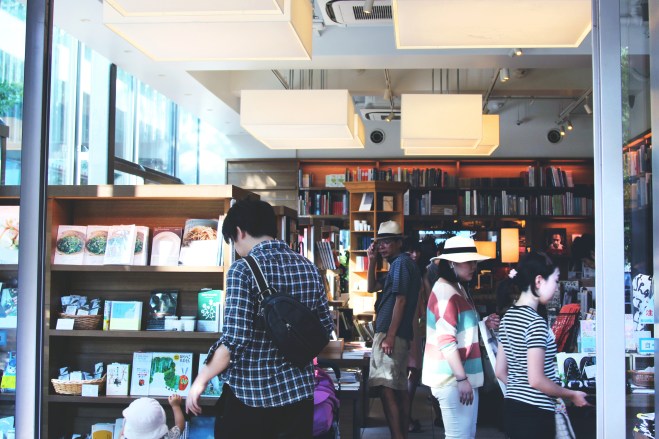
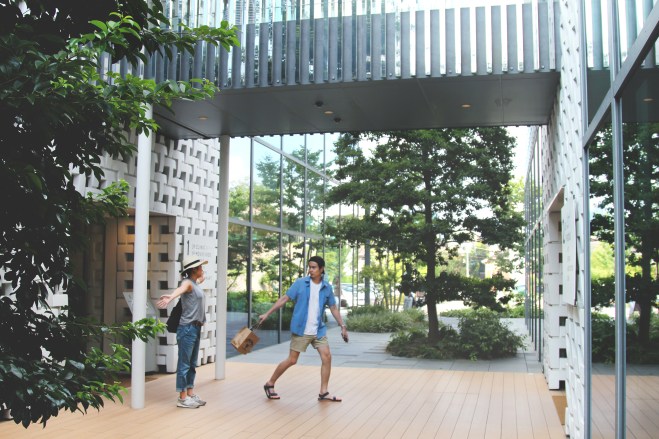
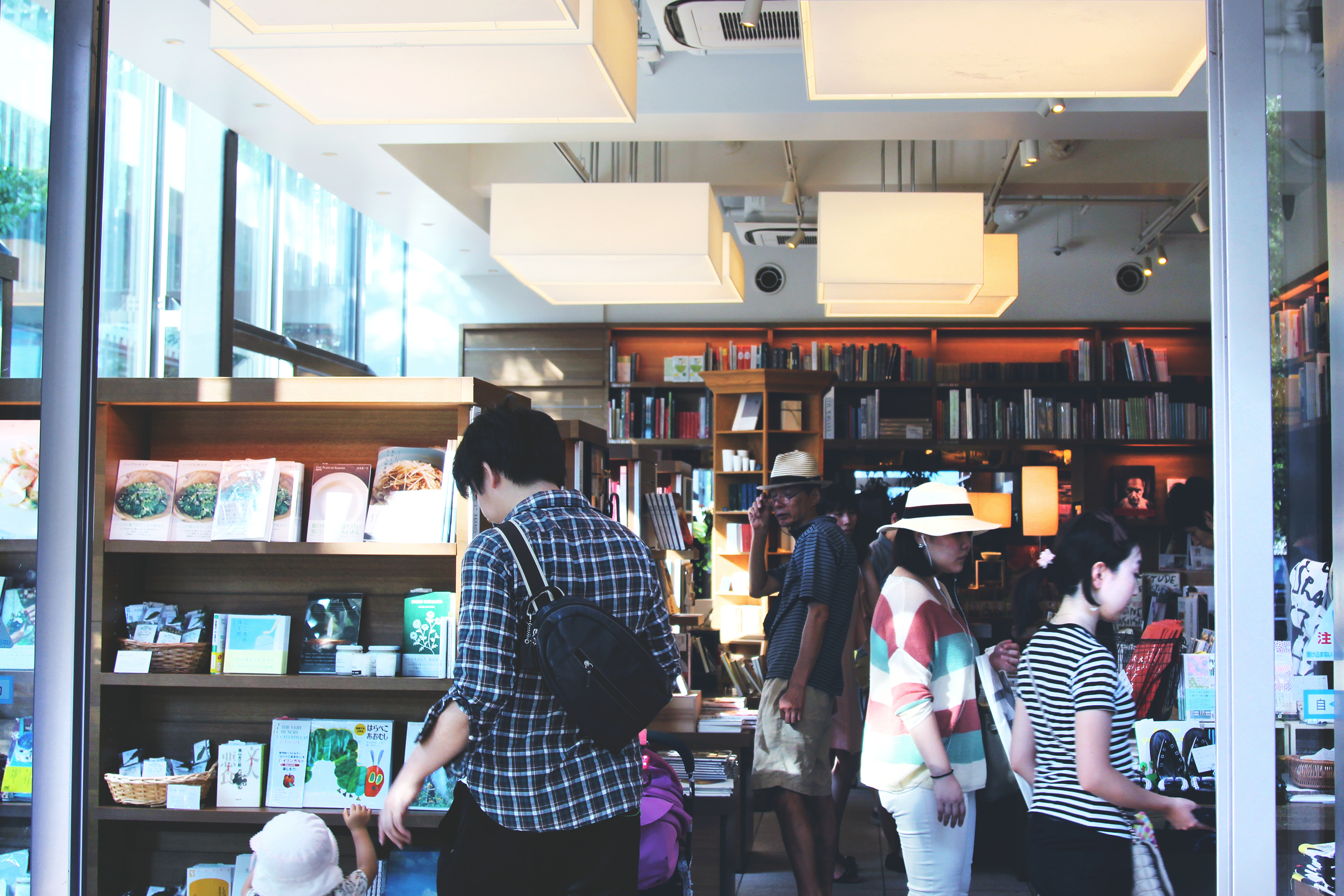
This post isn’t about anything literary, but it is largely about books. A couple of weeks ago, I visited one of the most famous bookstores in Tokyo/Japan — Tsutaya Bookstore (蔦屋書店) in Daikanyama. Tsutaya is a fairly ubiquitous chain, but this is their fancy-shmancy flagship store, with a cluster of small buildings and separate sections for books, records/CDs, DVDs, souvenirs, a poppin’ Starbucks, and a couple of lovely-looking restaurants.

IMG_2811-1

IMG_2804-1

IMG_2808-1

IMG_2801-1

I wasn’t allowed to take photos inside the store, but I promise it’s really nailed that hip haven vibe. Highly recommended if you’re in town.

IMG_2799-1

IMG_2812-1

IMG_2802-1

^ This woman told her boyfriend she was posing for the camera.

IMG_2815-1

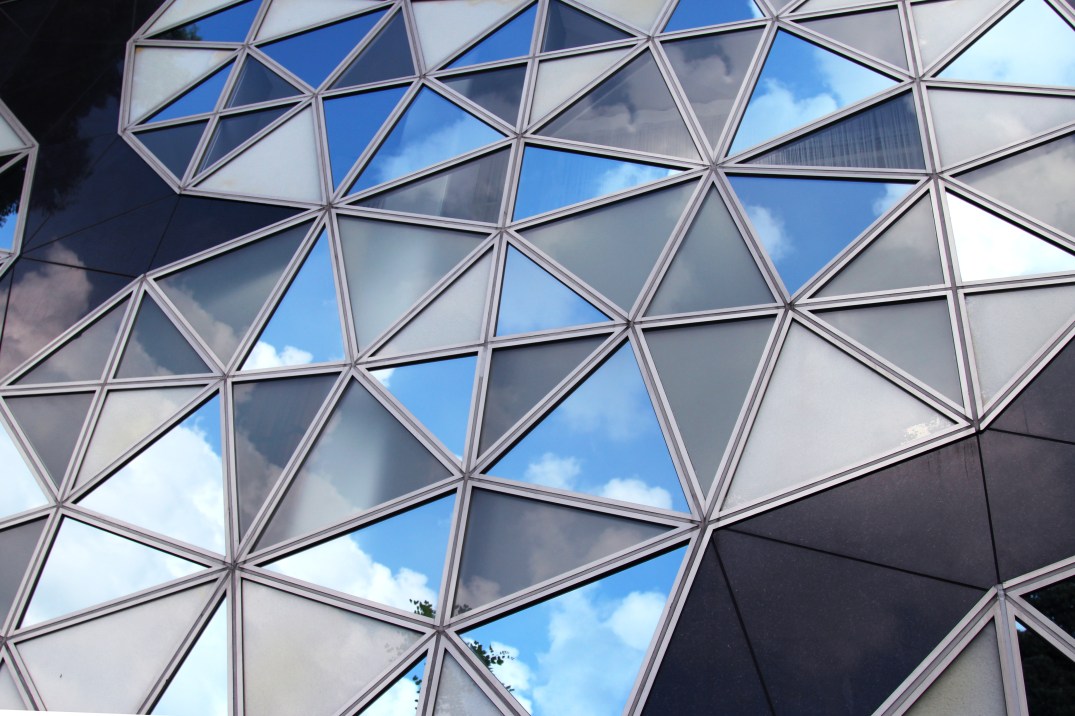
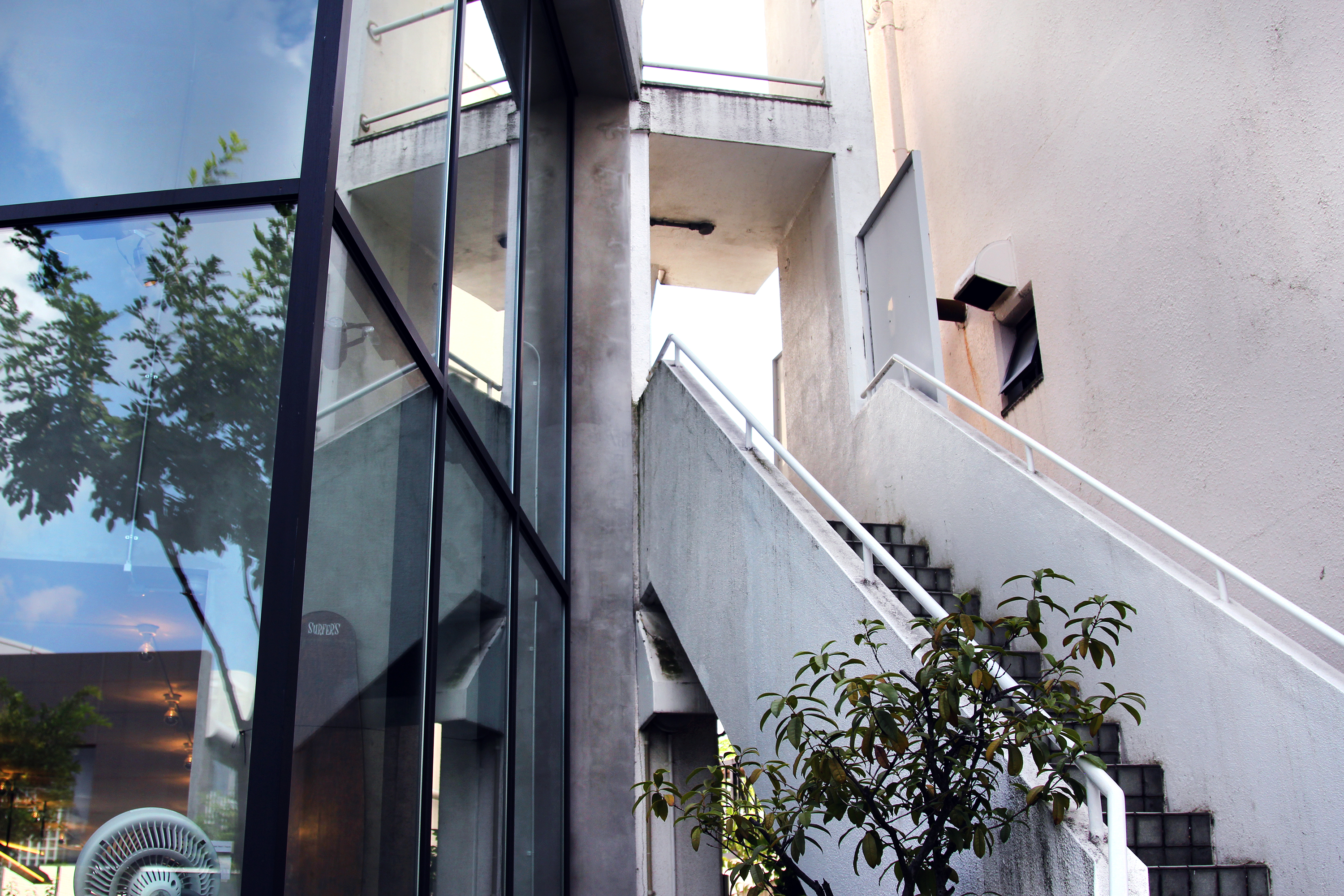
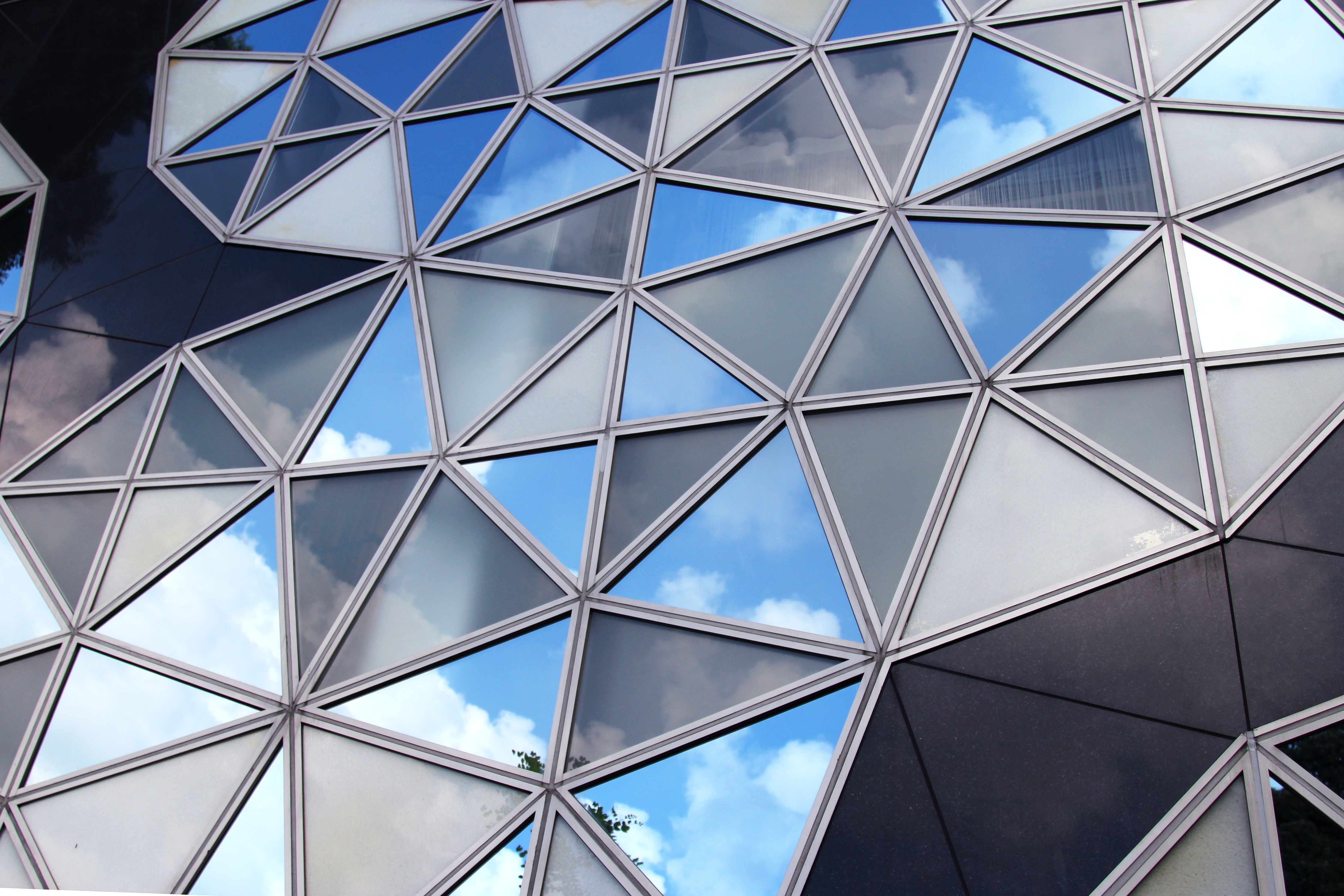
The surrounding area was also stunning. One thing I’ve noticed about really artsy-chic places in Tokyo is that entire neighborhoods seem to make pacts to color every building white and grey. This is also true for Omotesando. Needless to say, as someone who has a compulsive need to make all my possessions monochrome, I thoroughly enjoyed the view.

IMG_2830-1

IMG_2824-1

IMG_2816-1

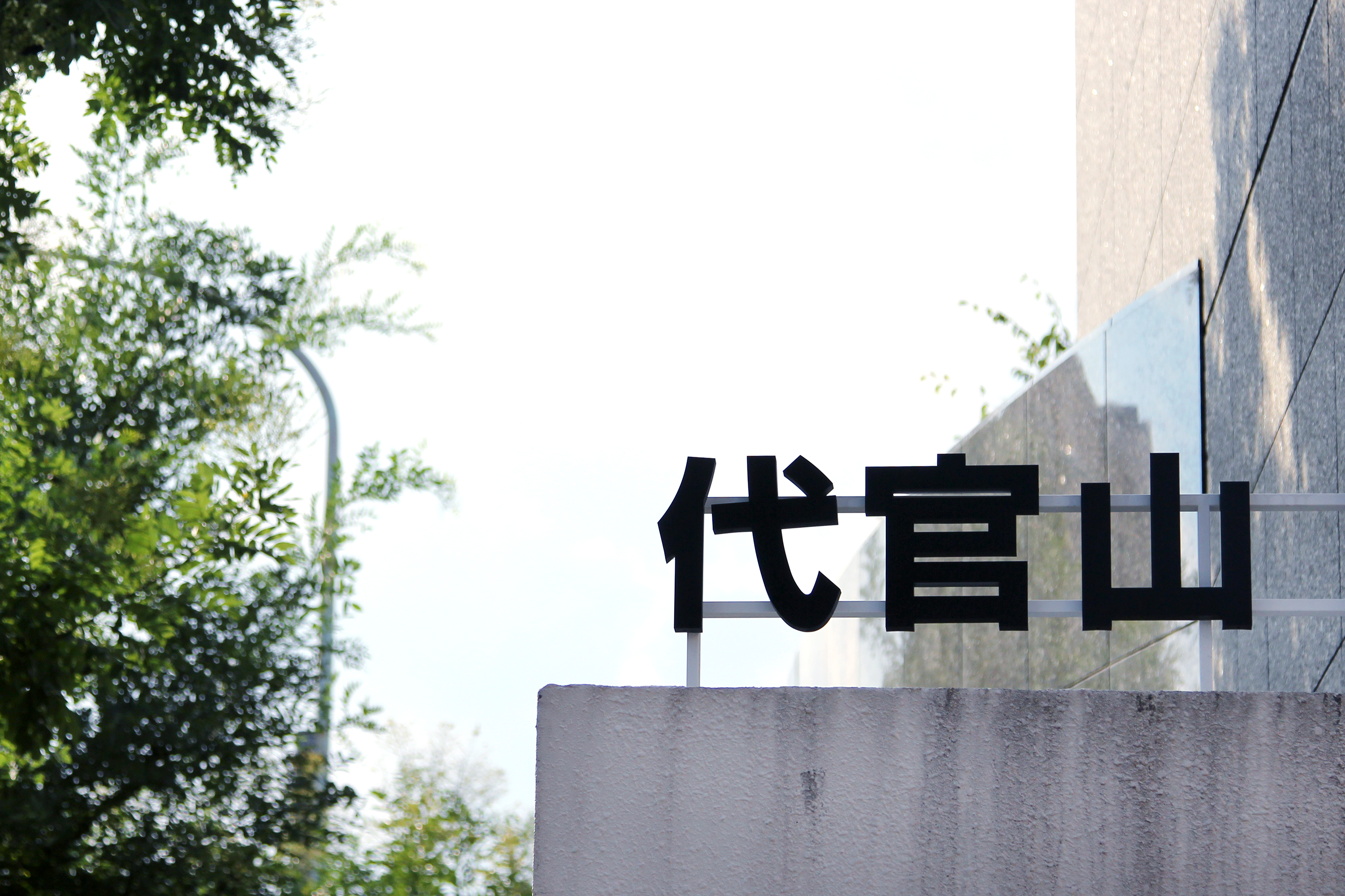
Daikanyama (代官山) is, if it wasn’t obvious from the photos, a pricier area filled with architecture and shops that would send any design enthusiast squealing off into its white-walled alleys. That is to say, one of the curators at the modern art museum where I work told me he know the area like the back of his hand, if that gives you a better sense of its target consumers.

IMG_2818-1

IMG_2817-1

IMG_2821-1

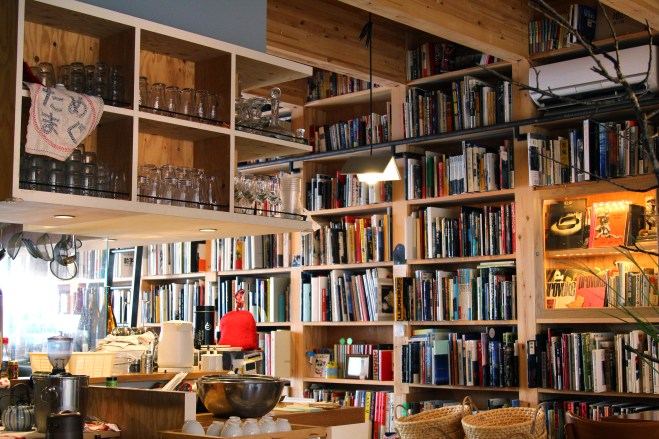
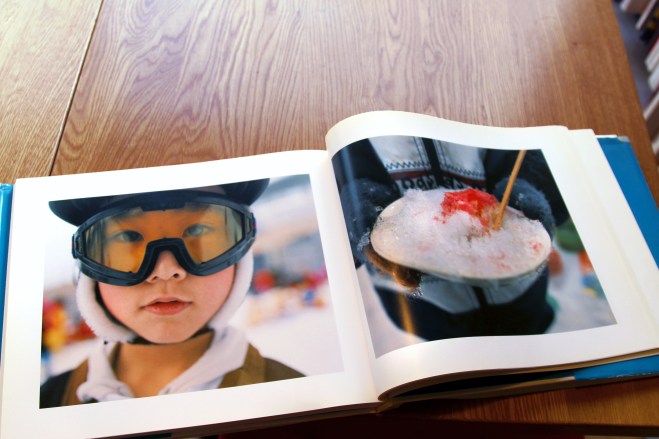
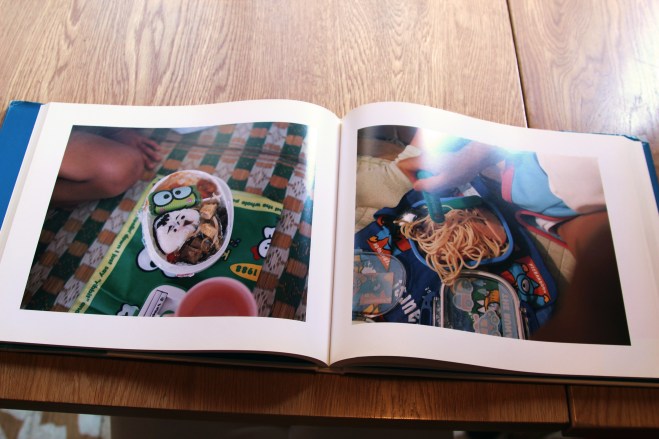
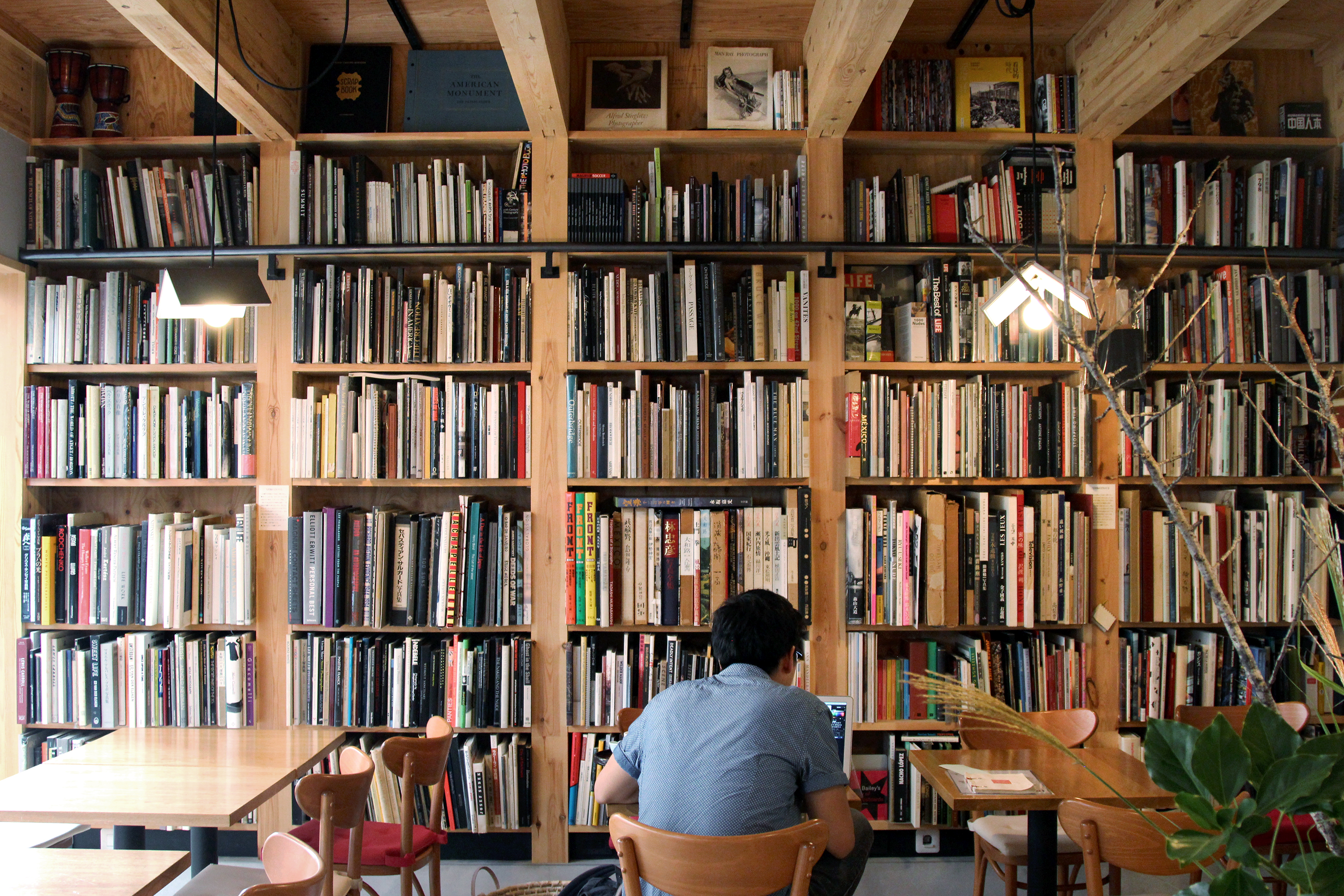
Next stop: nearby Ebisu (恵比寿). A très savvy friend of mine recommended a photography book cafe/restaurant called Megutama (写真集食堂 めぐたま), with over 5000 photo books collected by famous photography critic Kotaro Iizaka (飯坂耕太郎) available for browsing. It’s a great concept that’s been beautifully executed, but the place really could have used a bit of background music. If it were up to me, some female vocalist bossa nova.

IMG_2935-1

IMG_2960-1

IMG_2967-1

^From a collection called Now (いま) by Jin Ohashi (大橋仁) that I loved.

IMG_2978-1

IMG_2949-1

IMG_2945-1

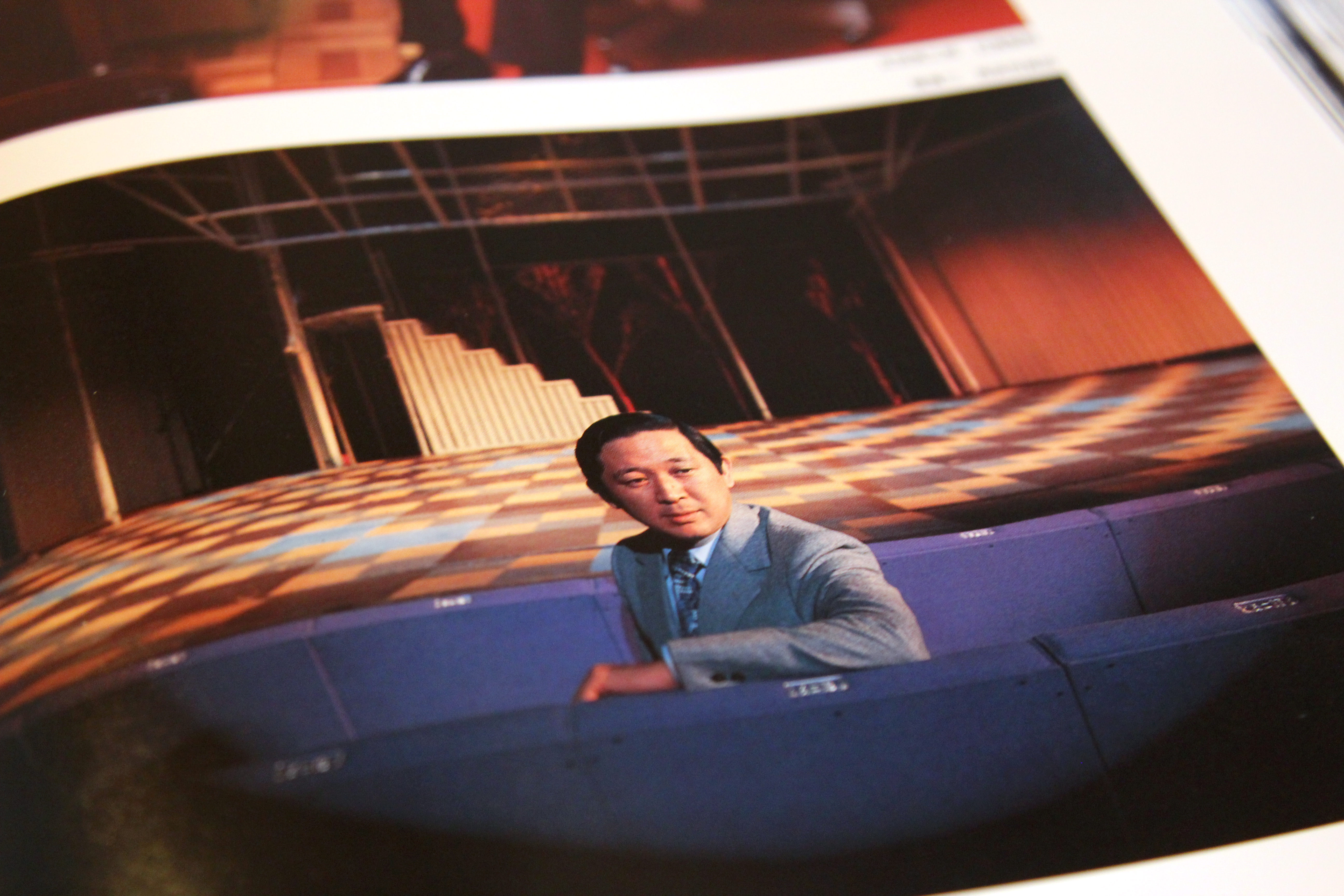
^Found a photograph from the 70’s of the founder of my company, Seiji Tsutsumi (堤清二), who was also a famous author under the pseudonym Takashi Tsuji (辻井喬). For the first half of July, my job was to do research about his life and convert the information into bibliographies and timelines. A little starstruck to be honest.

IMG_2983-1

So that about sums it up! It’s a quiet place with delicious food that’s open from lunch to dinner without break. Highly recommended for all photography lovers/aspiring hipsters. (English website available here.)

Sumiyoshi Shrine Festival

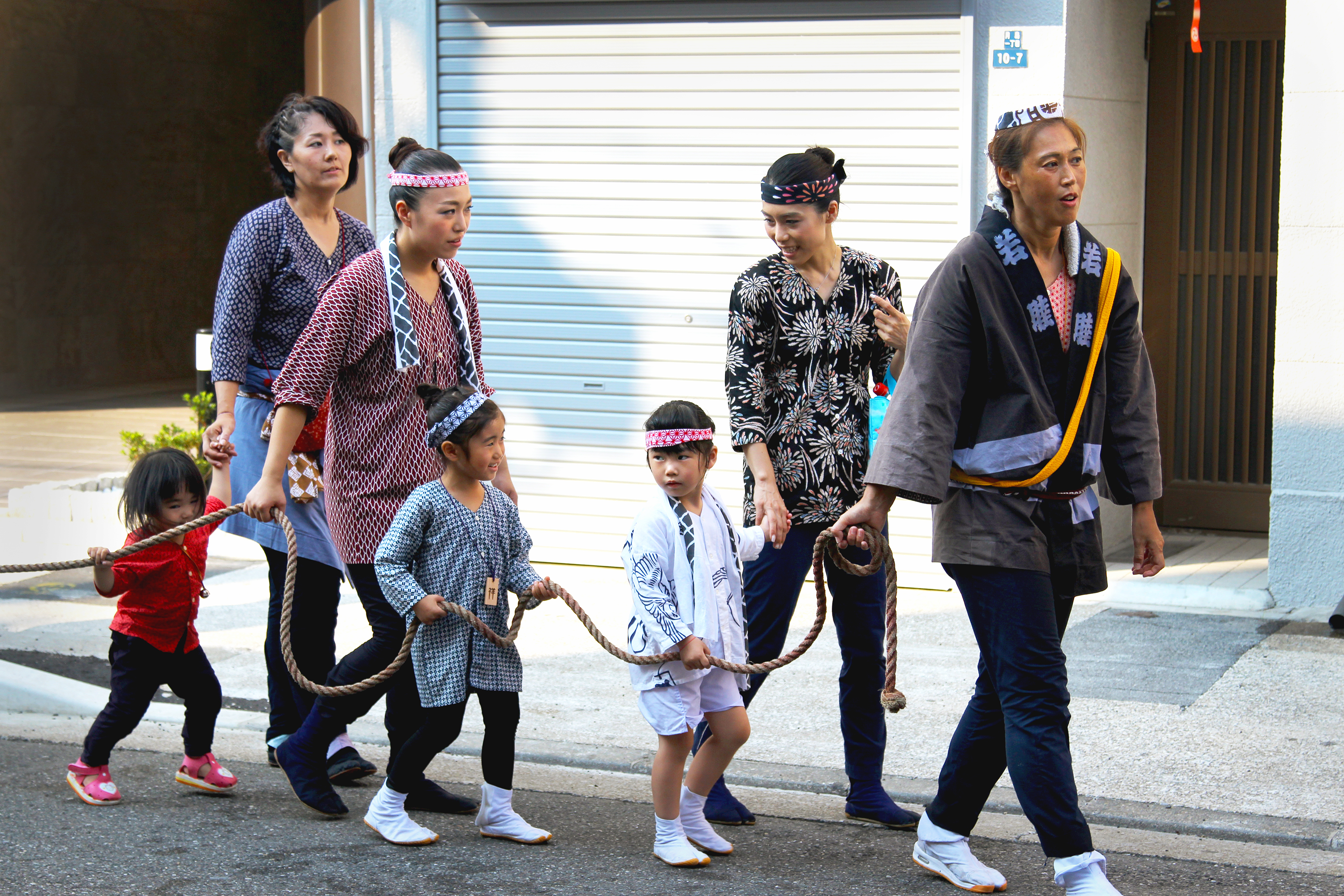
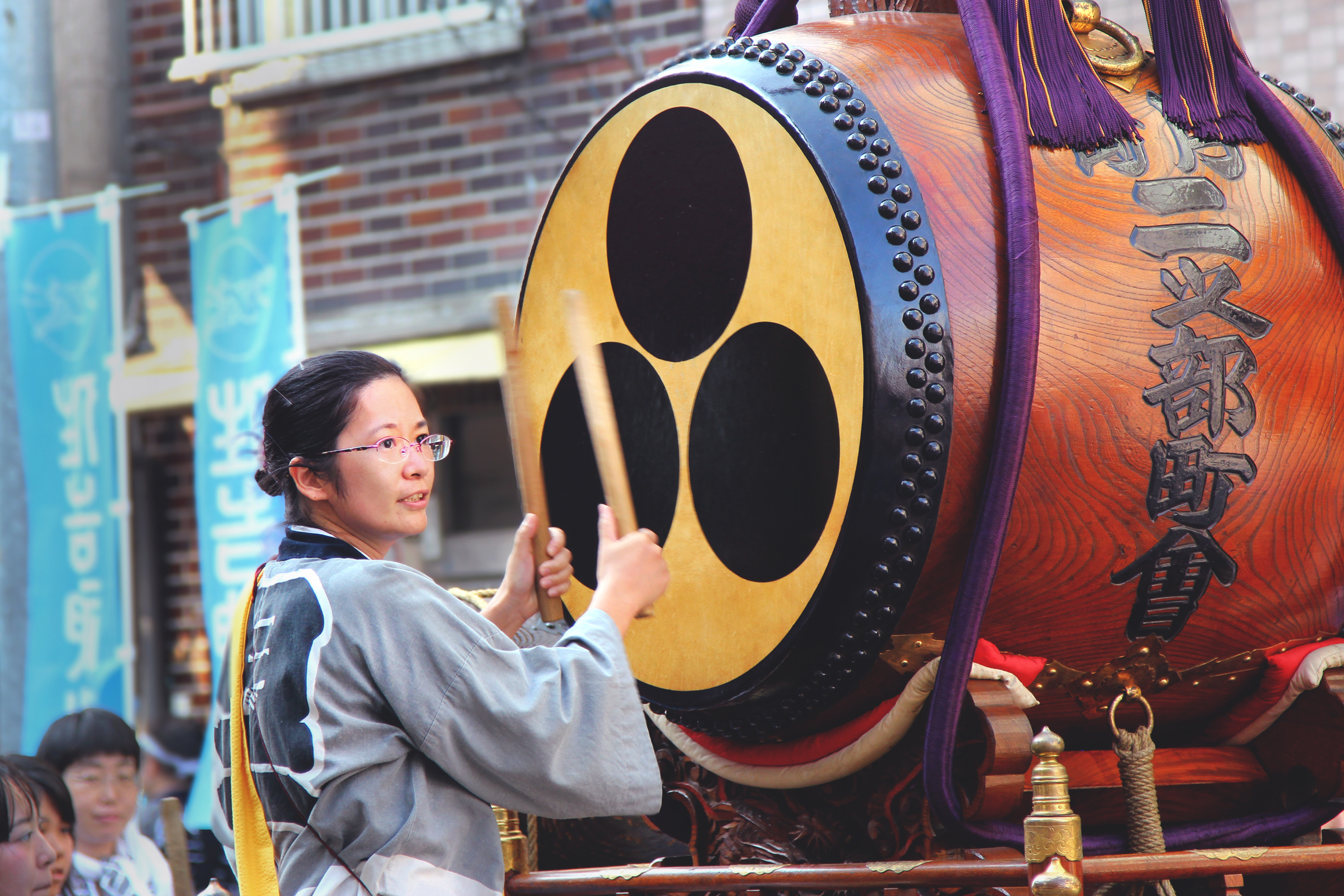
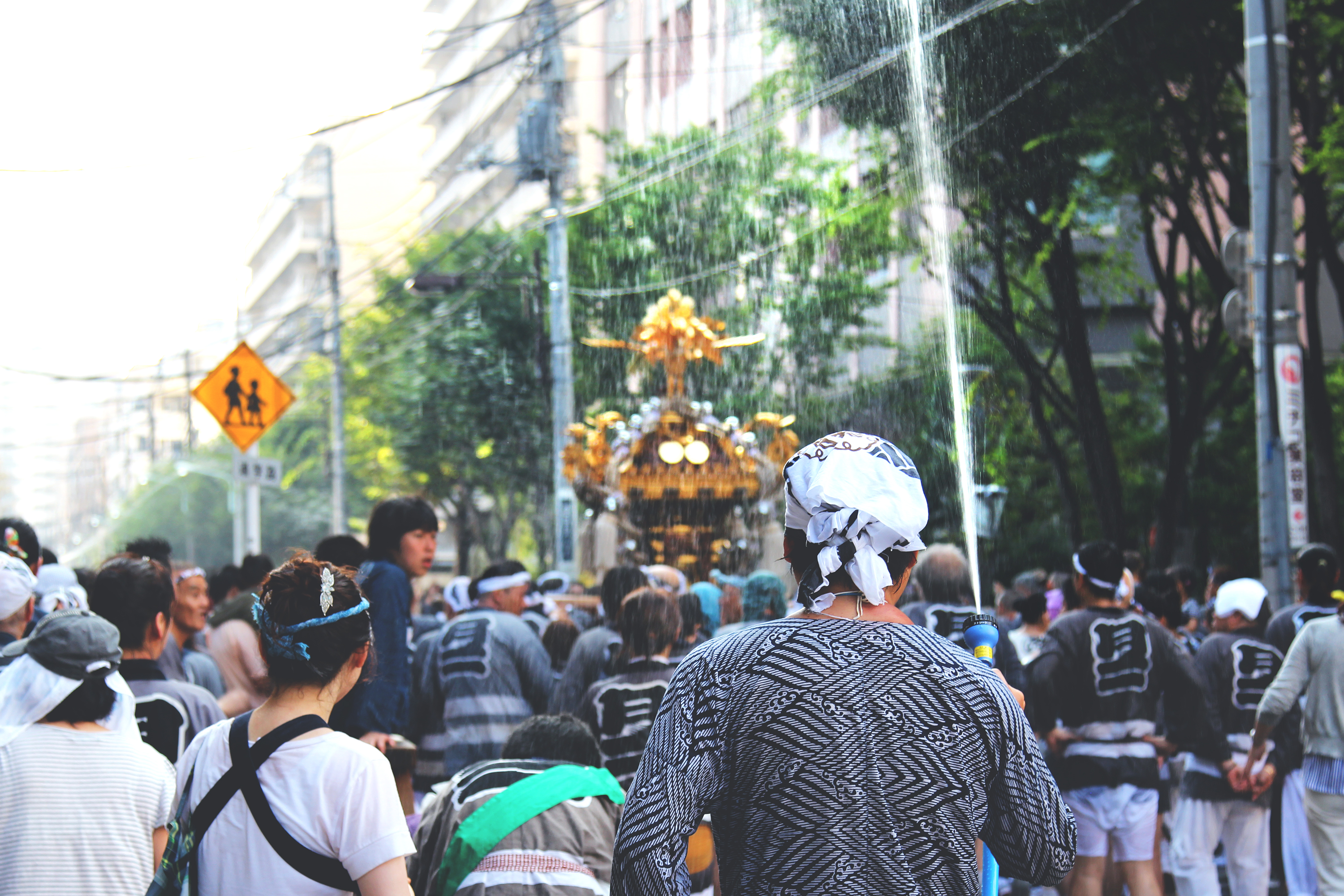
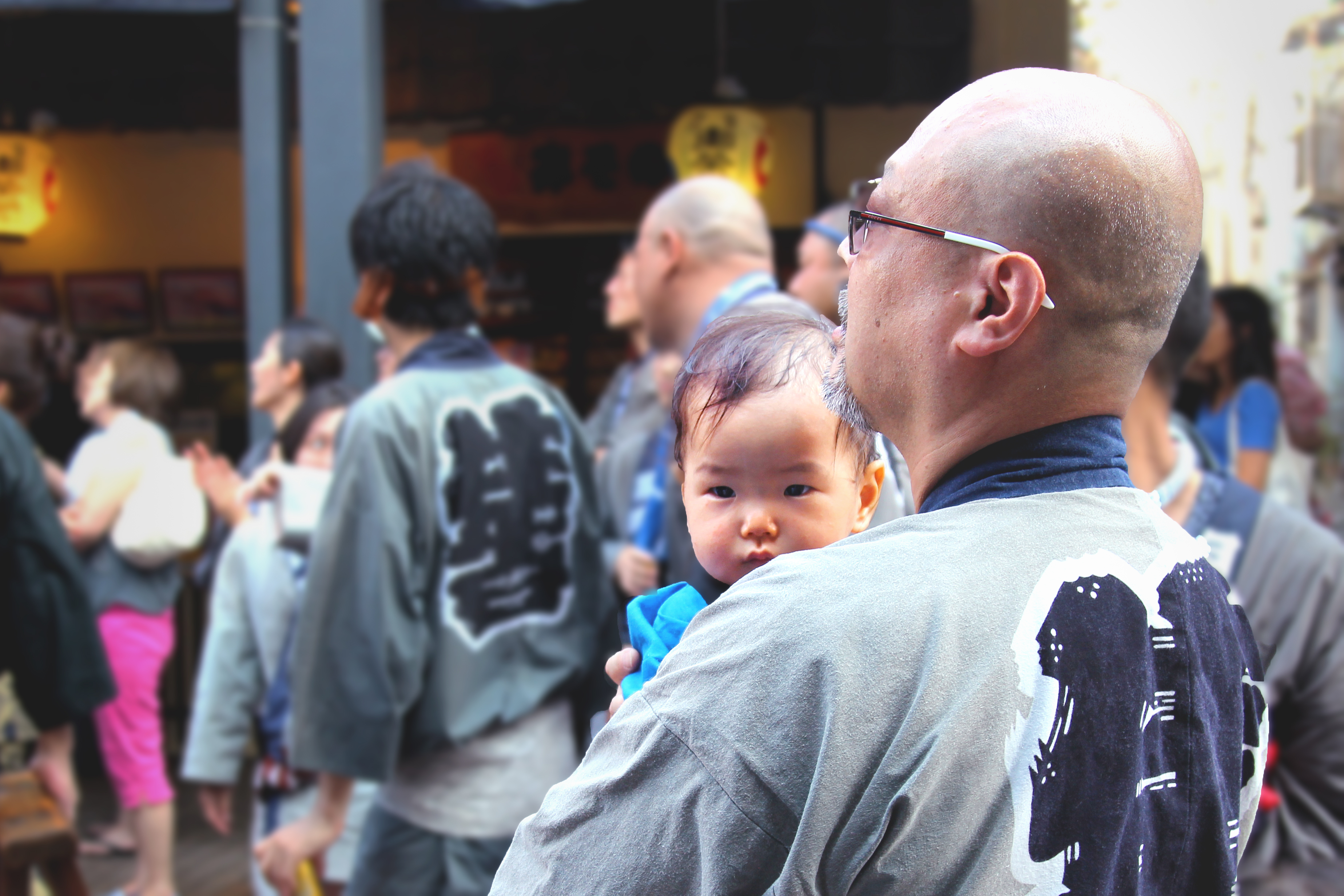
This weekend, Tokyo gave me the best surprise: a matsuri (Shinto festival; 祭り) right outside my doorstep. Quite literally. As in I didn’t even know it was going on until I started heard flutes and drums coming from downstairs. As in when I got there and realized I’d forgotten my SD card, it took about 5 minutes to walk back. Pretty much any Japan-traveler/photography enthusiast’s wet* dream.

*Accidental pun: to cope with the heat, the tradition for this event is to throw water on all the participants.

IMG_2697-1

IMG_2703-1

The festival was hosted by Sumiyoshi Shrine (住吉神社), the biggest shrine on Tsukishima that was actually featured in my last post. This happened to be their hon-matsuri (本祭り), a once-every-three-years celebration that lasts four days, though I only got to see one day of it. The main event of the day was the parade of the gods, symbolized by the omikoshi (お神輿, vehicles for Shinto deities), around the neighborhood.

IMG_2715-1

IMG_2719-1

IMG_2718-1

Yakitori (焼き鳥; lit. “grilled chicken,” kind of funny because if read in Mandarin it would be “burnt bird”) featuring a very willing hand model.

IMG_2705-1 IMG_2722-1

IMG_2729-1

This post may also be known as The Great Comeback of Photos of Cute Children (hi Shawn).

IMG_2731-1IMG_2738-1IMG_2743-1

^A man hosing down the worshippers from afar.

IMG_2713-1

IMG_2757-1

IMG_2769-1

パシャンパシャン

IMG_2746-1 IMG_2770-1

Please note that there are larger versions of the omikoshi for adults and miniatures for the kids.

IMG_2772-1

Tsukiji, Sumida, Tsukishima

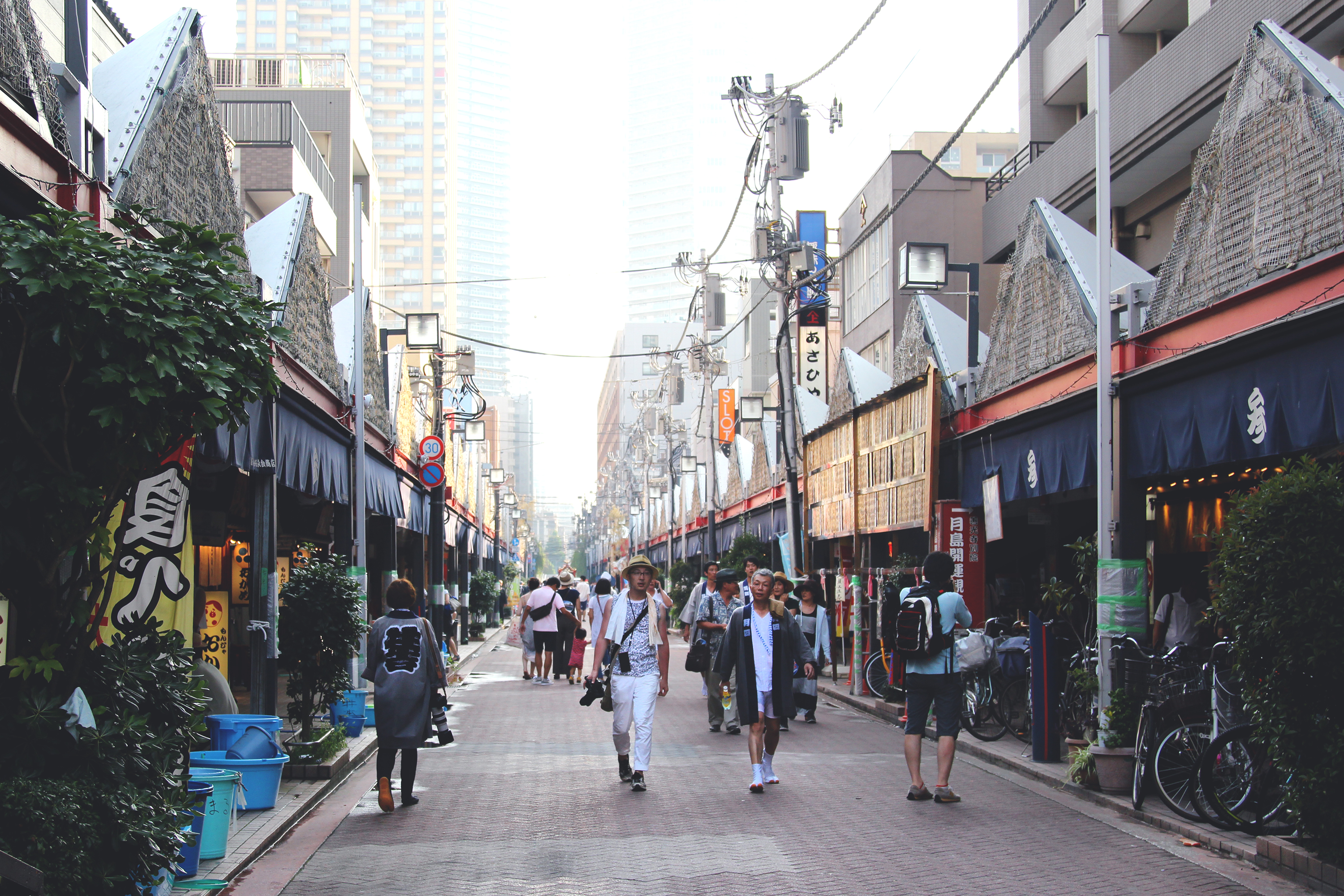
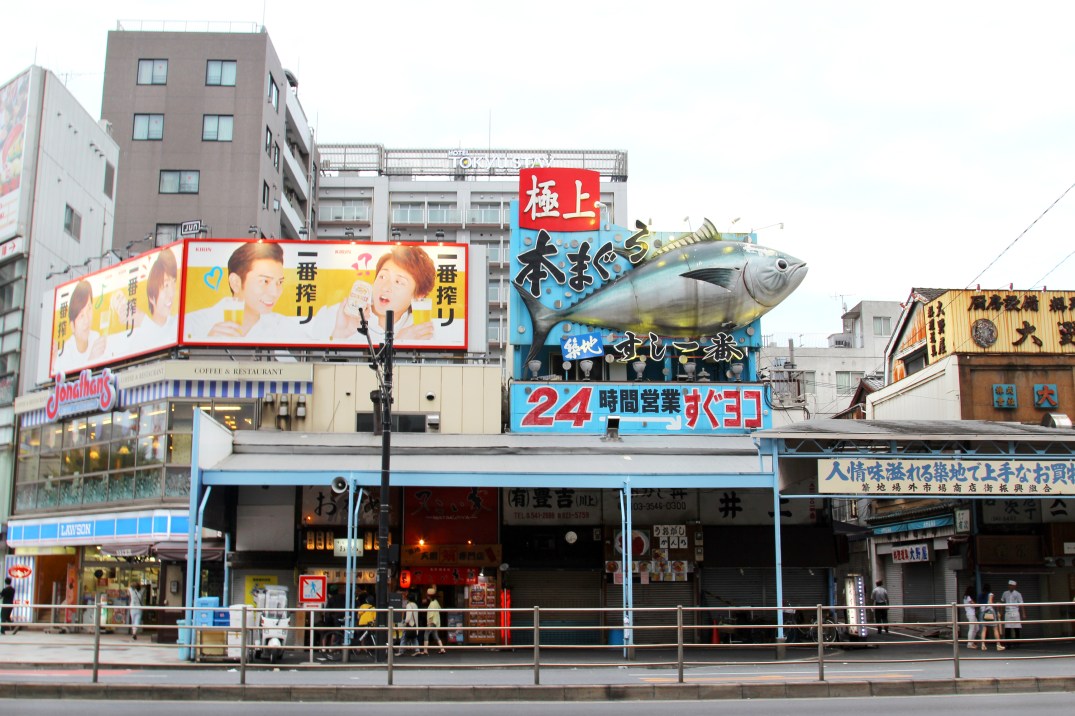
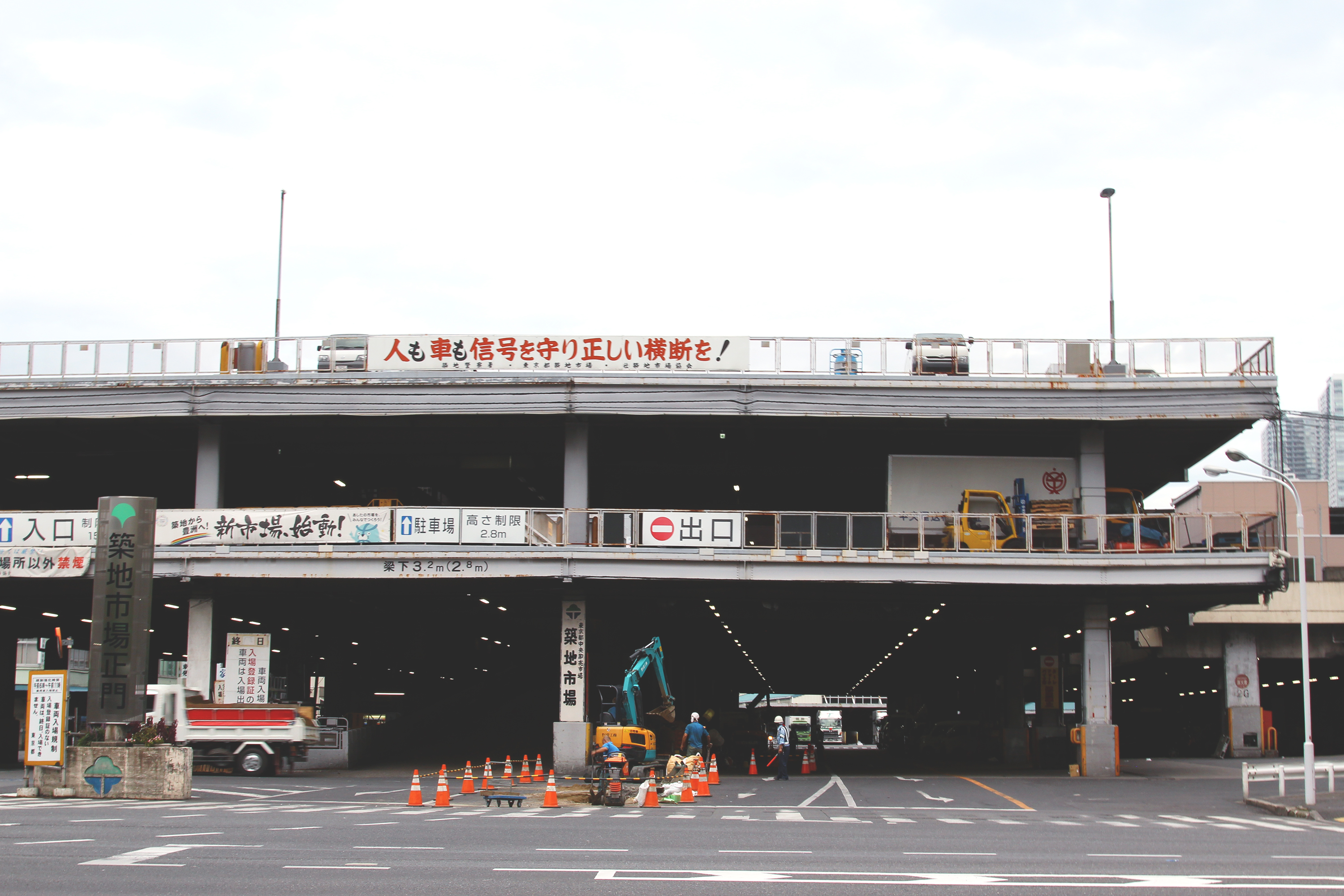
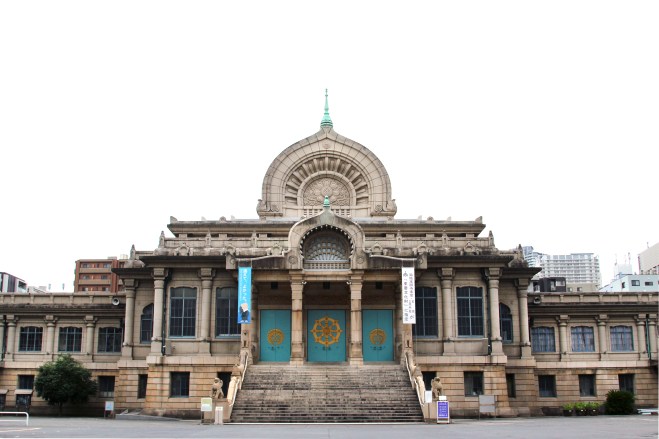
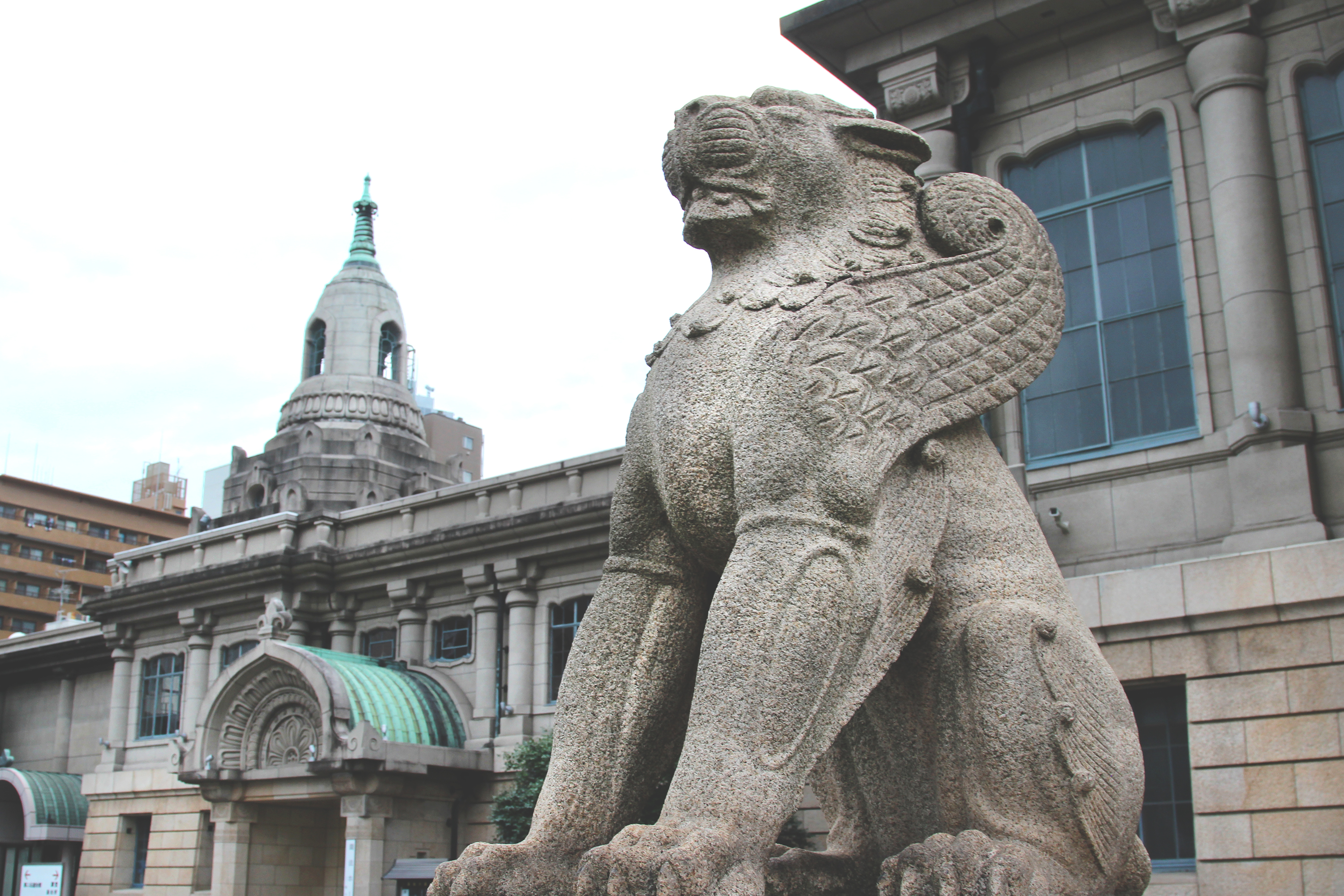
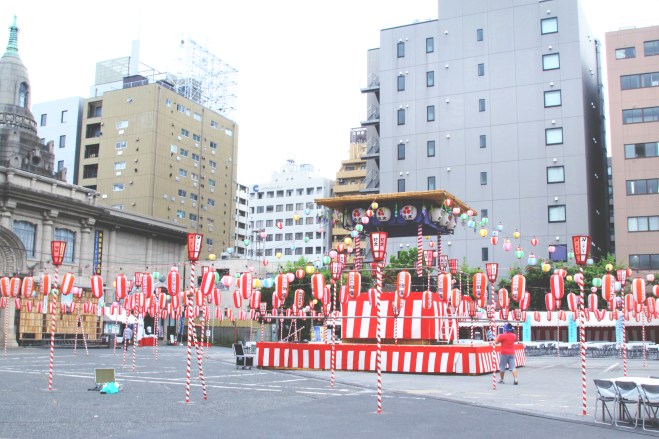
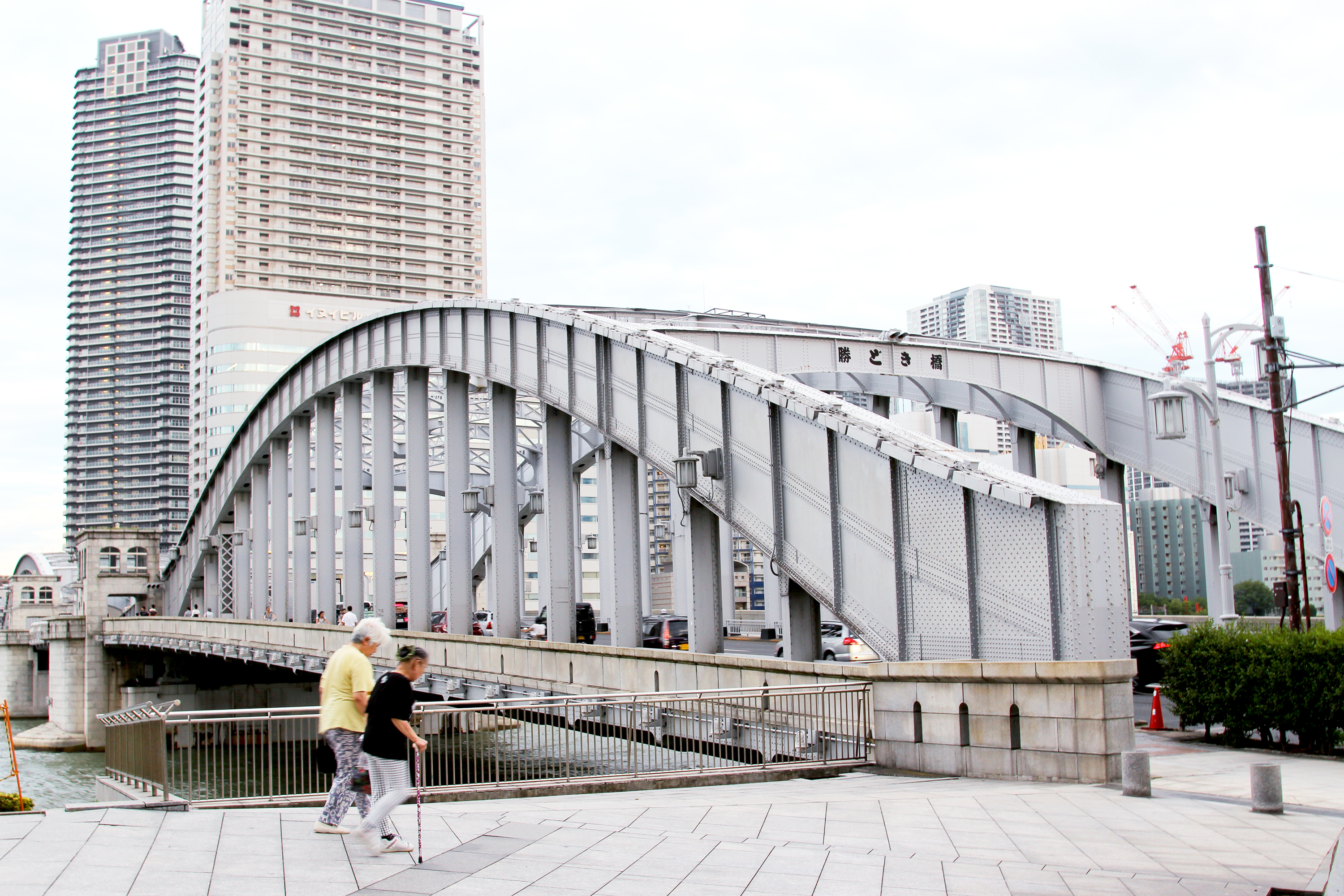
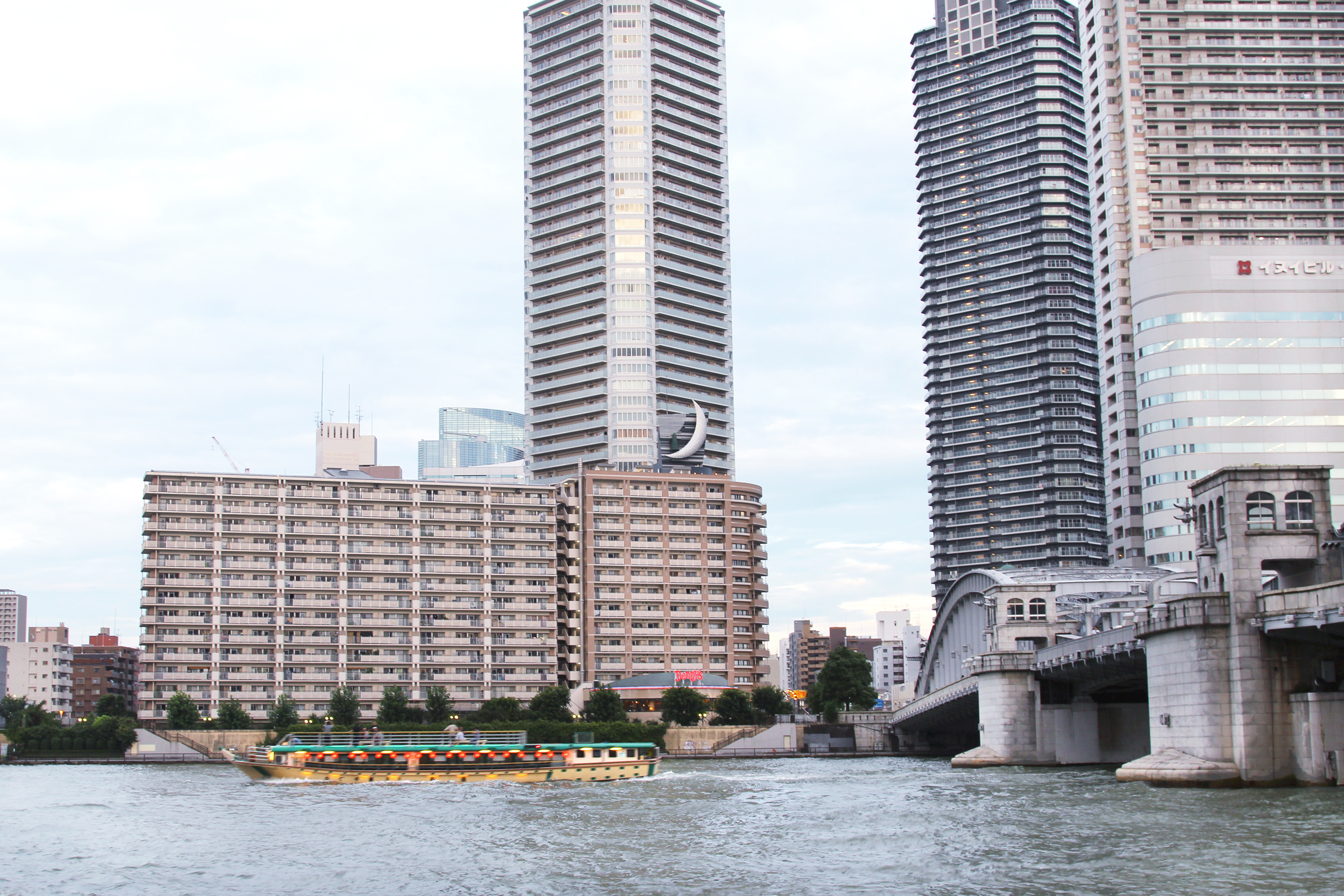
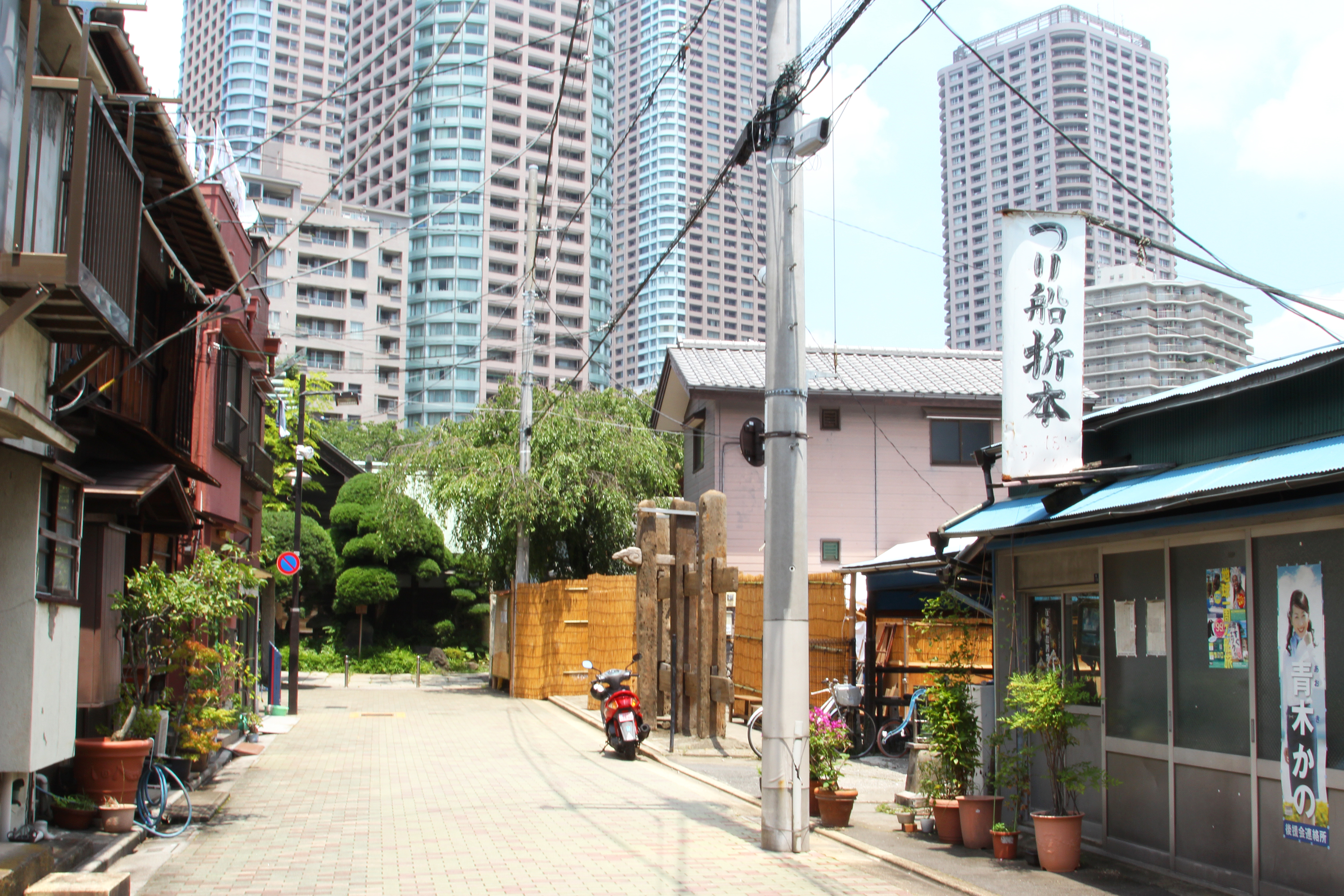
Apparently I’ve become an extremely lazy blogger full of false promises. Getting used to the new job has been a tad stressful, as has been living in an actual apartment (rather than a dorm) by myself. Also, it’s really, really hot. Excuses aside, here’s an extra-long post to make up for it. These are shots of my “neighborhood,” or at least the area within a 20-minute walk radius. IMG_2539-1 This doesn’t look like much, but it’s actually the rearview of the very famous Tsukiji Fish Market (築地市場). If you know anything about Japan, you’d know that they’re very serious about their fish, so this place is pretty much holy ground. All the guide books recommend going to Tsukiji at 5 a.m. to watch the fish auctions and eat the freshest sushi imaginable, but I actually get pretty squeamish around large quantities of dead animals so I’ve yet to do that. On that happy note, let’s continue. IMG_2611-1 IMG_2542-1 ^ The commercial streets of the market have a ton of great food stalls, though most are closed for dinner. Another hallmark of Tsukiji is the Tsukiji Hongan-ji (築地本願寺), a Buddhist temple notable for its massive presence smack in the middle of apartment and office buildings as well as its decidedly un-Japanese appearance. IMG_2552-1 The original temple, built in 1617, was actually located in Asakusa (where the famous Senso-ji of this earlier insta can be found) and burned down in a fire in the 1600s. The temple was then relocated to its current location in Tsukiji, where it stood until the Great Kanto Earthquake of 1923. The current temple, with strong influences from Southeast Asian Buddhist architecture, was designed in the 1930s. IMG_2554-1 IMG_2613-1 IMG_2559-1 Moving closer to my apartment, we meet the Sumida River (隅田川), a cultural symbol of Tokyo and also the site of popular annual fireworks, which I went to see last week (iPhone pictures from that event were really underwhelming though). IMG_2562-1 IMG_2569-1 This is my favorite part of my walk home from work, also the place where I jog (by which I mean like, once a week, lol). Just look at it! IMG_2584-1 Here’s shot from the fire escape of my apartment, which happens to be right next to a popular fishing spot: IMG_2588-1 Now for the place where I actually live: Tsukishima (月島, lit. “Moon Island”), a half-urbanized, half-traditional place with skyscrapers as well as some lovely architecture left from the Edo period. IMG_2596-1

IMG_2594-1 Semi-real life, semi-Miyazaki. Love it. IMG_2592-1 IMG_2593-1 The random wooden posts and columns left from centuries ago are probably my favorite: IMG_2603-1 IMG_2606 IMG_2604-1 Tsukishima is currently most famous for its monja, a type of food that I don’t really know how to explain. This will most likely come in a separate post with visuals, if I stop being such a liar about blog posts. IMG_2601-1 Until next time (which will be soon yes it will)!

Huashan Creative Park

Sorry about the brief hiatus! I arrived in Tokyo almost two weeks ago and have been settling into the apartment, struggling with the job, searching for friends, and in general freaking out about my subpar language skills.

Post on Tokyo coming this weekend. For now, I wanted to share the last of my adventures before I left Taipei.

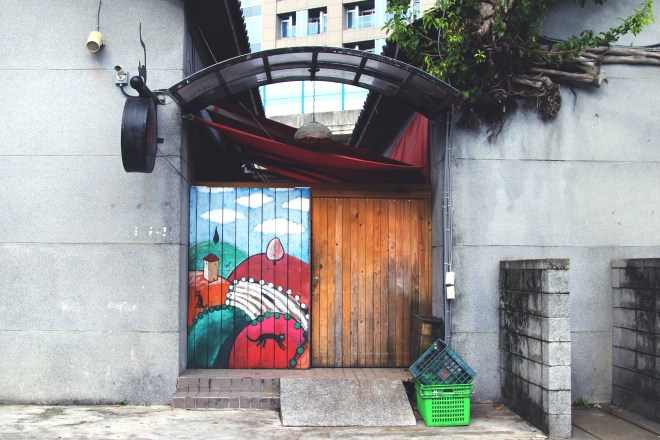
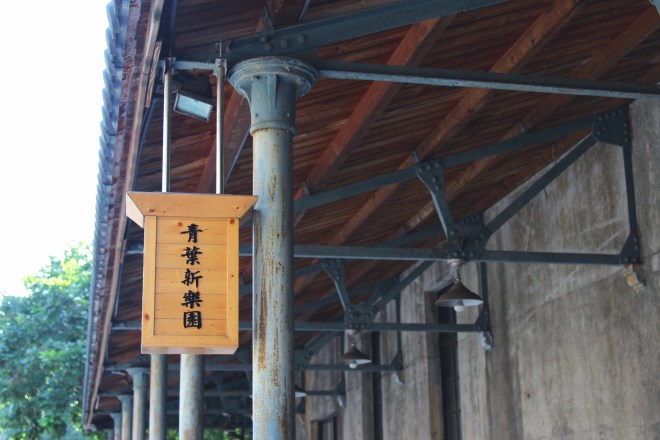
Huashan 1914 Creative Park (華山1914文創園區) is essentially a government-sponsored hub for the artistically inclined. The site was originally a winery founded in 1914, which became known as “Huashan” in the 20’s. The winery went out of use in 1987, and was left vacant until Taipei’s arts community called for its revival more than ten years later.

As of 2003, Huashan Park has served as an exhibition space, an outdoors gathering spot for students, and a treasure trove of cafes, restaurants, and artisan souvenir shops. It also includes Spot, a theater for non-mainstream films. Thanks to the old-school feel shaped by the remaining structures of the winery, the Park has also become a beloved backdrop for wedding photos and fashion bloggers alike.

IMG_2485-1IMG_2489-1

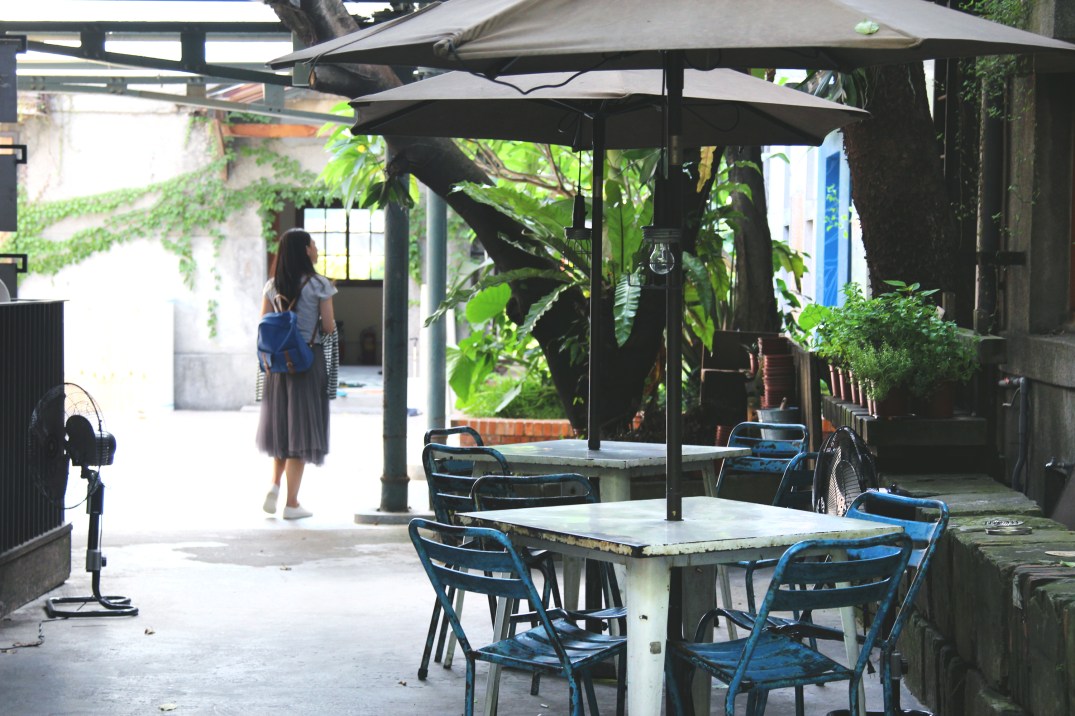
^ One of said fashion bloggers.

IMG_2473-1

IMG_2491

IMG_2476-1

IMG_2486-1

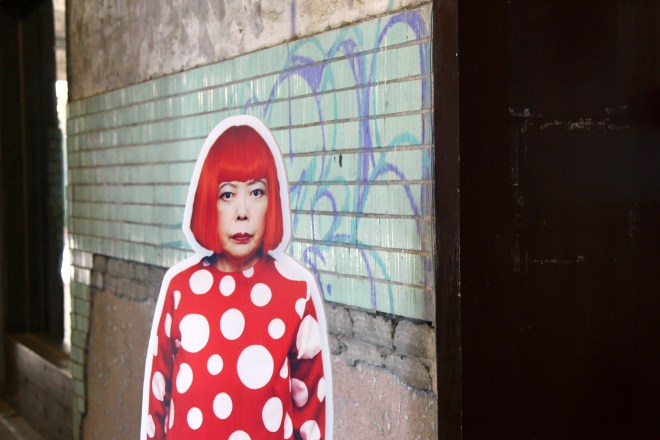
^ Outside the concept store and cafe inspired by Japanese artist Yayoi Kusama (草間彌生)

IMG_2480-1

IMG_2496-1

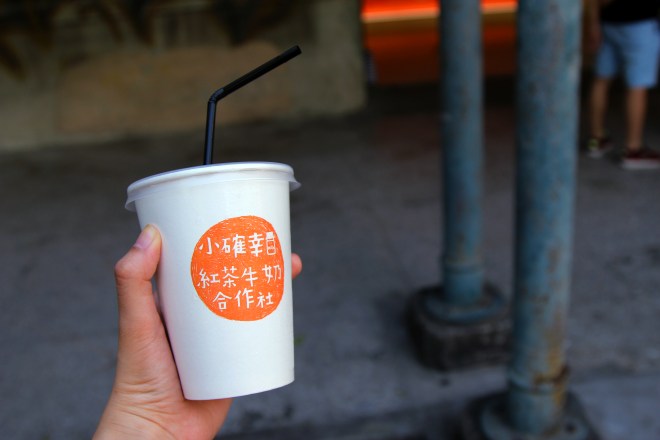
^ In the home of pearl milk tea/boba, it’s rare to come across an indie milk tea shop. But leave it to Huashan!

IMG_2478-1

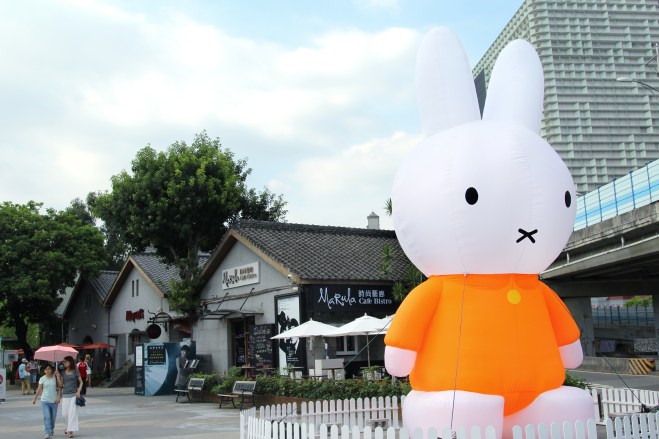
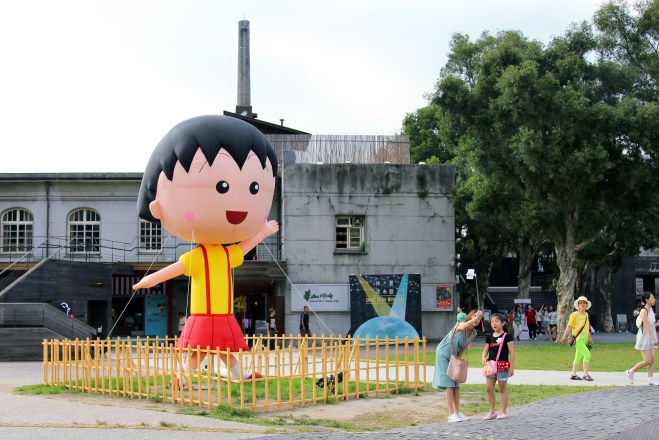
This summer, they have two main exhibitions that I assume were designed to appeal to the summer vacation audience: “Chibimaruko-chan 25th Anniversary” (櫻桃小丸子25週年展、ちびまるこちゃん25周年展) and “60 Years of Miffy” (米飛兔60週年展). My cousin’s daughter who adores Miffy was visiting from New York, so we went to see that one, though I think I’ll go catch the end of the Chibimaruko-chan one in September.

IMG_2469-1

IMG_2524-1

IMG_2468-1

また日曜日 🙂

Dragon Boat Riverside Tour

I mentioned the Dragon Boat Festival in a previous post without at all explaining what it is. The Festival, known as 端午節 (duan wu jie), falls on May 5 of the lunar calendar. It is of Chinese origin and is celebrated a little differently in Hong Kong, Taiwan, and various parts of China. It also has its modified derivatives in Japan, Korea, and Vietnam.

In Taiwan, we have quite a few traditions surrounding this national holiday, the most widespread of which is probably eating 粽子 (zong zi, which apparently is called “sticky rice bun” in the Western World, though that nomenclature really doesn’t do it justice). There are, again, many variations of this, but it’s essentially fillings wrapped in “sticky” rice, all wrapped in bamboo leaves. In Taiwan, it’s typically in more of a chubby pyramid shape, and the fillings usually include stir-fried mushroom, salted duck eggs, tiny dried shrimp, and pork. (I had about 5 of these during the holidays but managed not to take any pictures. Sorry.)

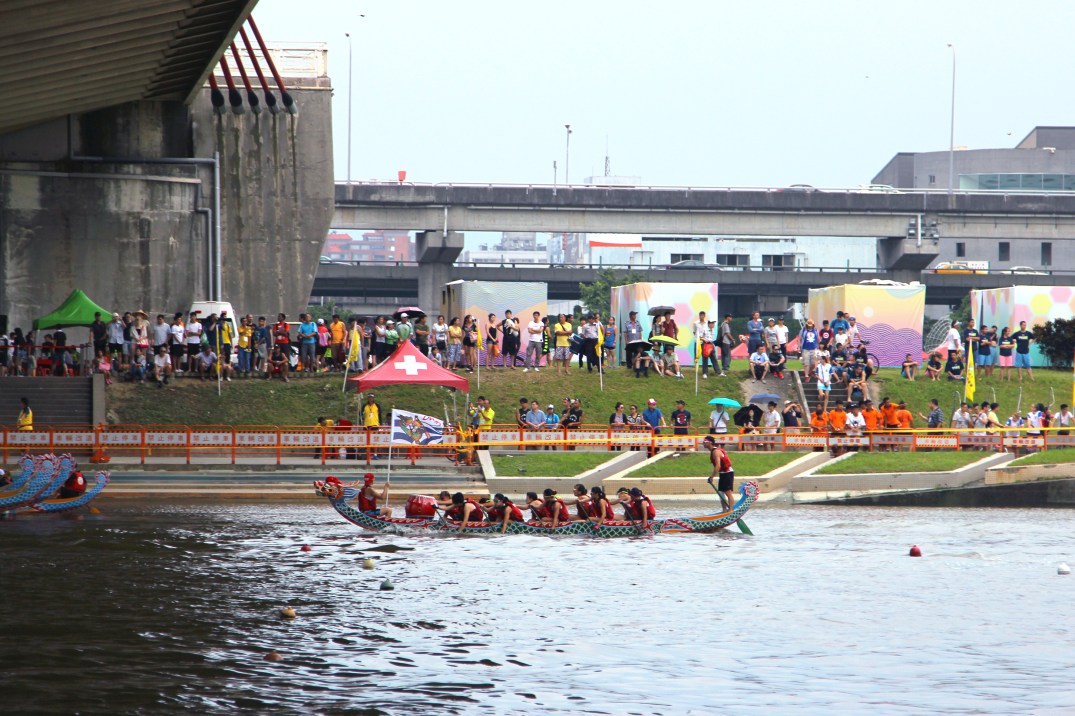
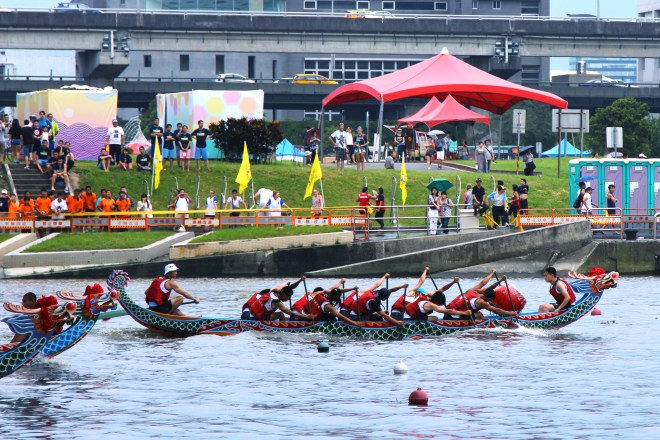
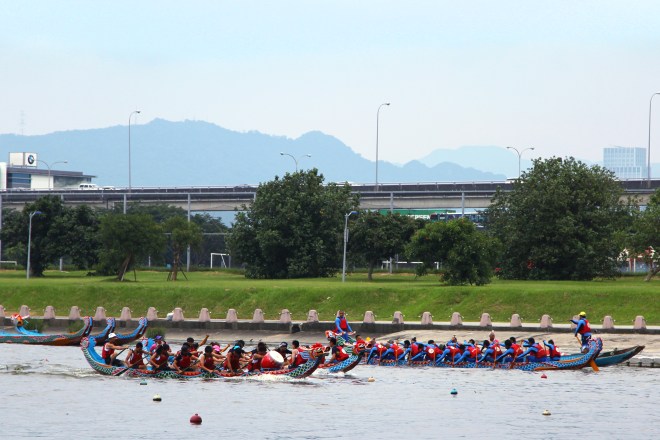
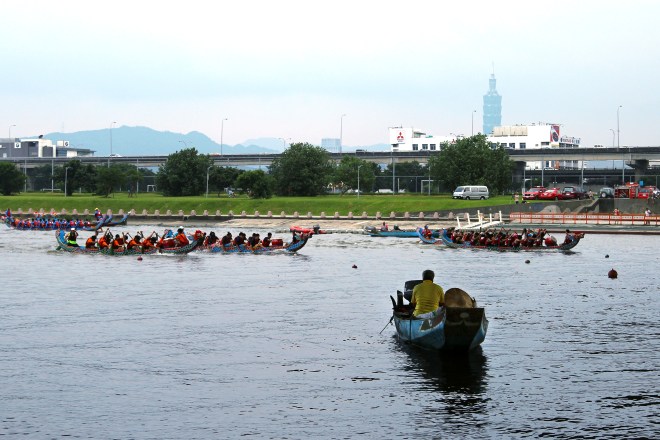
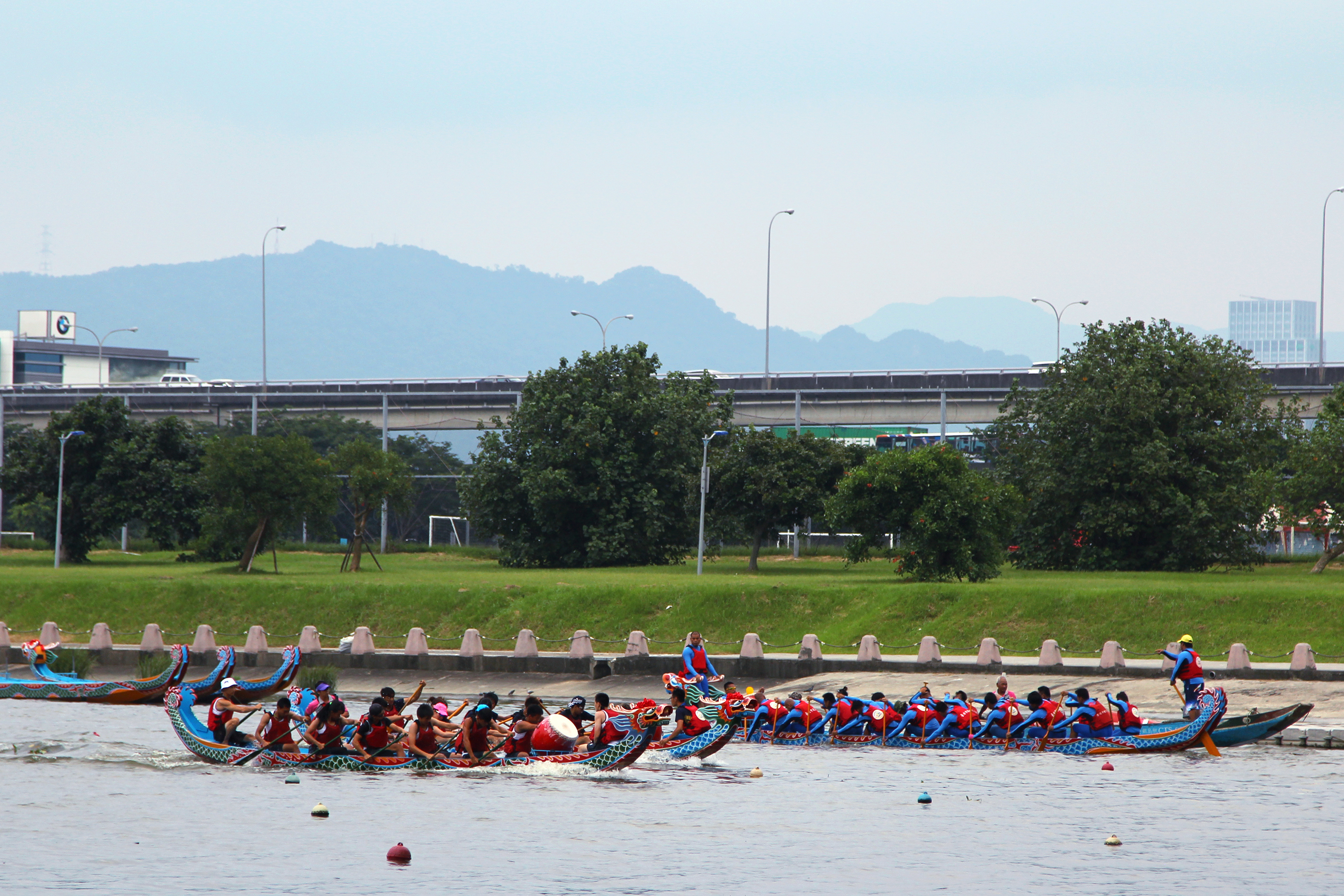
Another popular practice is boat racing using “Dragon Boats”:

IMG_2400-1

If you’re thinking, “That looks nothing like a dragon,” well, Chinese dragons look like this. Think Mushu, but bigger, longer, scarier, and sans Eddie Murphy dub.

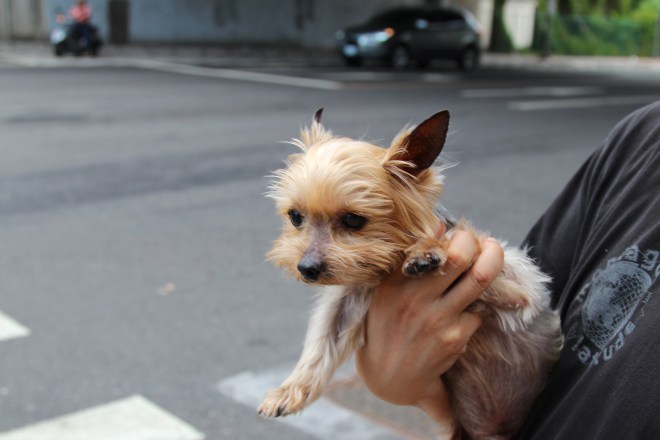
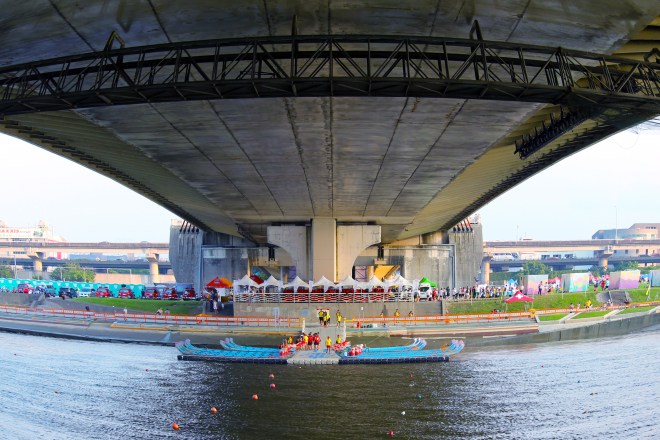
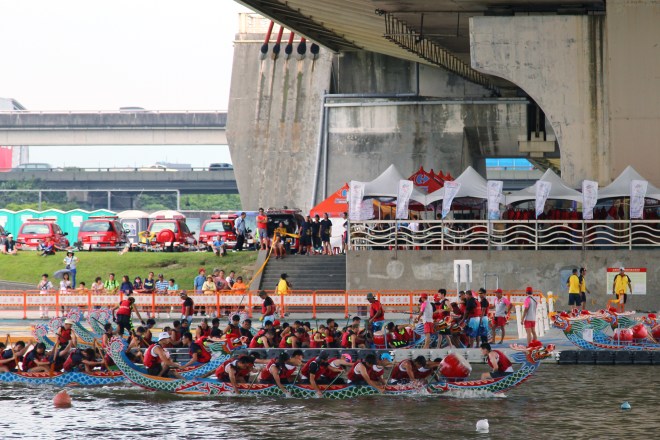
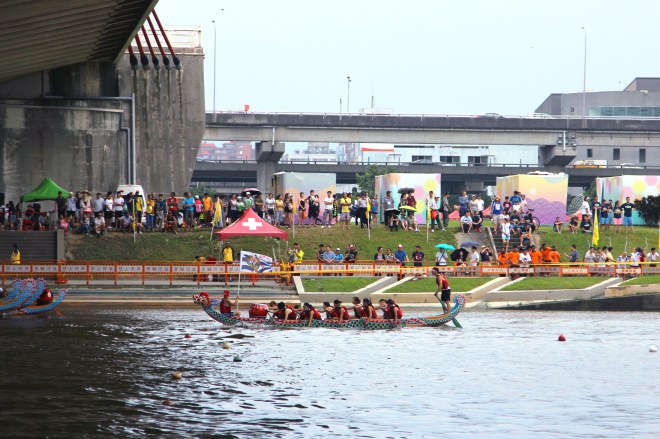
Anyway, the races are a pretty big deal, and since I live only a ten minutes’ walk away from one of the main race sites, I decided to go watch in spite of the smothering heat. Mookie also came along:

IMG_2377-1

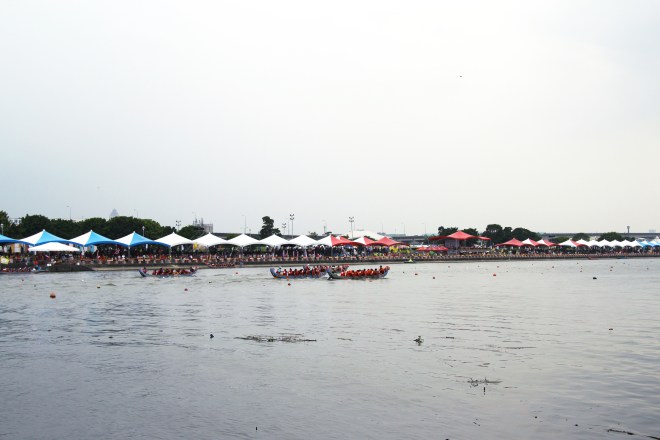
It was about to rain, so we only stayed for a little while and the lighting wasn’t great. But here’s the gist:

IMG_2364-1

IMG_2394-1IMG_2398-1

IMG_2406-1

IMG_2407-1 copy

IMG_2397-1^I was obsessed with taking pictures of this old man and (I believe) his wife, who seemed to be unaffiliated with the races and just chilled on a canoe nearby. I’m not creepy.

IMG_2409-1

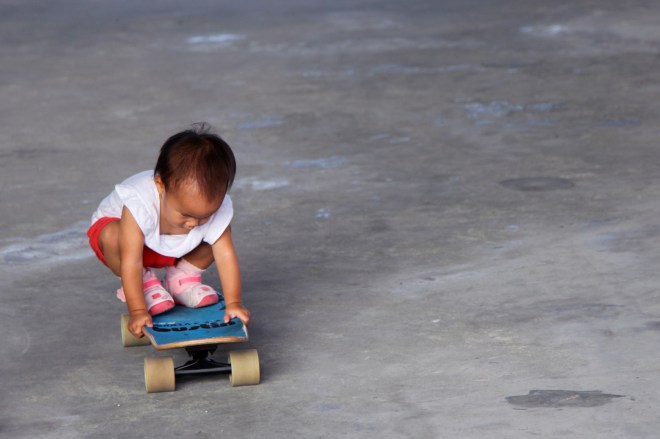
Speaking of not creepy, here’s a shot of the most adorable child, possibly of all time. She was actually gliding along for quite a few meters:

IMG_2369-1

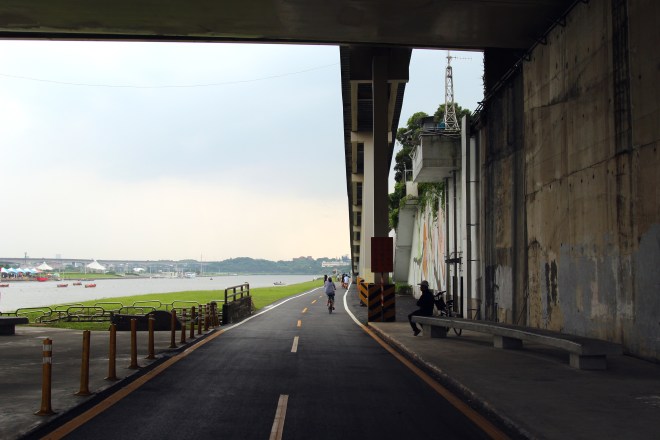
Lastly, here’s one of the riverside walk where my parents and I sometimes bike:

IMG_2410-1

Until next time!

P.S. Commemorating #MarriageEquality

Howards End, On Beauty

In May, I showed my summer reading list to a well-read friend of mine. She said, “Did you know that this [On Beauty by Zadie Smith (2005)] was based on this [Howards End by E.M. Forster (1910)]?” I did not. What were the chances? I decided to read them back-to-back.
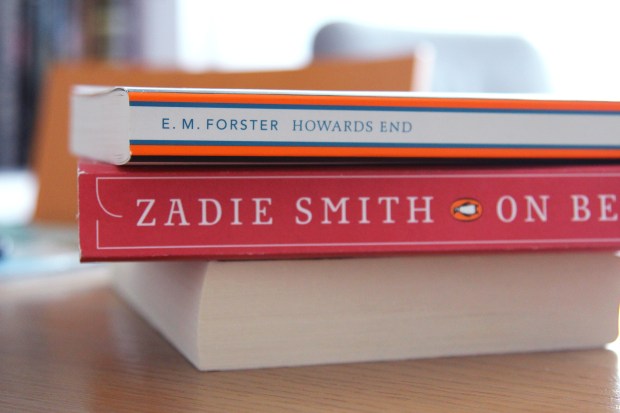
IMG_2357 copy

Synopses
Howards End explores early 20th-century English society through the stories of three families. They are: the half-German, orphaned Schlegels (Meg, Helen, Tibby), who are wealthy, educated, socially progressive intellectuals; the Wilcoxes, who made large fortunes through England’s colonies and take pride in their unphilosophical practicality; and the Basts — a loveless, lower-middle-class couple.

On Beauty engages early 21st-century England and Northeast US through a similar intertwining of unlike families. There are the Belseys, composed of a white English father, a black Floridian mother, and their three children. Then there is their foil, the Kippses — a black, conservative, Christian family based in London. The rivalries between the two families come to a boiling point when the Kippses move to Wellington College, the (fictional) liberal arts college in Massachusetts where both fathers teach. There, racial frustrations manifest in intellectual competition, which is then complicated by teenage and middle-age lust. Meanwhile, the “charity project” role goes to Carl, a black boy who embodies both the potential of the underprivileged and the more “authentic” black culture that the mixed-race, middle-class Belsey children fail to partake in.
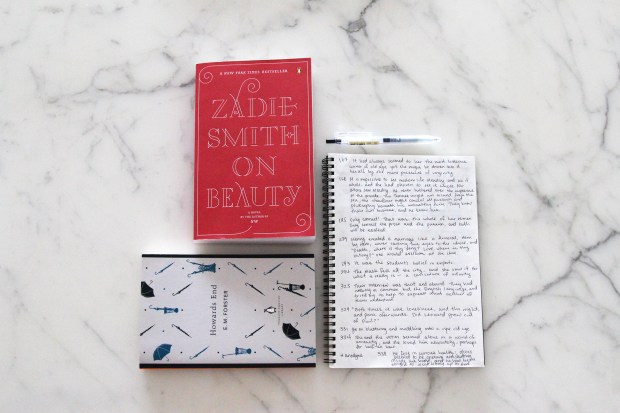
IMG_2102 copy

Quotes – Howards End
1. ‘It is sad to suppose that places may ever be more important than people,’ continued Margaret.
‘Why, Meg? They’re so much nicer generally.’

2. Science explained people, but could not understand them.

Quotes – On Beauty
1. ‘Oh, I’m so sorry your dick offends your intellectual sensibilities. It must be terrible. There’s your subtle, wonderful, intricate brain and all the time it turns out your dick is a vulgar, stupid little prick. That must be a real bitch for you!’

2. Harry surely hadn’t meant to tell his only son that you couldn’t expect black people to develop mentally like white people do. He had meant to say: I love you, I love my grandchildren, please stay another day.
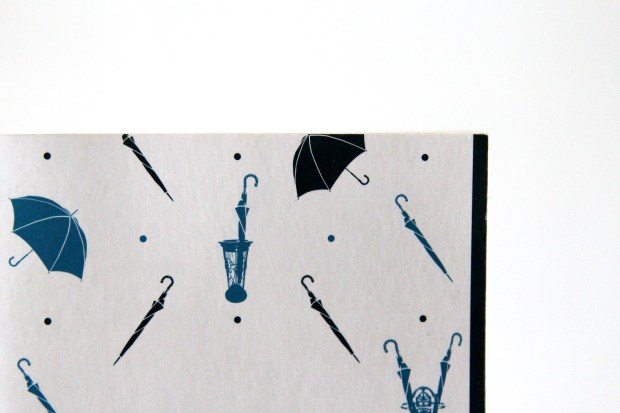
IMG_2108 copy

Thoughts
Getting to the point before I move away from it: I loved both books. A lot.

Less straightforward thoughts: aside from a facetious mention of Forster (Howard smiled sadly. ‘Can’t stand Forster.’) near the end of the novel, On Beauty does not directly acknowledge its connection to Howards End. It’s more of a private joke with those who have already read Howards End or have scrolled all the way down On Beauty’s Wikipedia page. To anyone else, this would have just been a good book with a slightly strange opening line (‘One may as well begin with Jerome’s emails,’ matching ‘One may as well begin with Helen’s letters’).

This is a real shame. Not that everyone should read these two back-to-back, but, well, yes, you should. While On Beauty certainly stands on its own, reading the two together forced me to think much more carefully about the complexities of “modern life” as we know it and how they have changed in the past century. Where concerns with class difference and the inability of the poor to get an education lay before, race has been tossed into the mix and the debates have grown more nuanced. One memorable dialogue takes place between Kiki Belsey and Monty Kipps, who are both black and educated but disagree on affirmative action:

‘As long as we encourage a culture of victimhood,’ said Monty, with the rhythmic smoothness of self-quotation, ‘we will continue to raise victims. And so the cycle of underachievement continues.’
‘Well,’ said Kiki… ‘I just think it stinks of a kind of, well, a kind of self-hatred when we’ve got black folks arguing against opportunities for black folks.’

On another note, it was also interesting to see how the nature of sex scandals have, uh, evolved, both physically and psychologically. Where it was “rich man has affair with lower-class woman” before, Smith has written “old friends sleep together due to compulsion to ruin the happiness of others” and “18 year-old dresses in garters to seduce married professor after emailing nude photographs.”

While these are just two of many issues addressed in these novels, the general unspoken trend seems to be, depressingly, this: as we advance in technological conveniences and work toward equal opportunity, we also give ourselves more room to dig deeper in to society’s preexisting rabbit holes. It’s a sad message, but in both books, at least there’s plenty of humor in the delivery.

IMG_2362 copy

Soundtrack
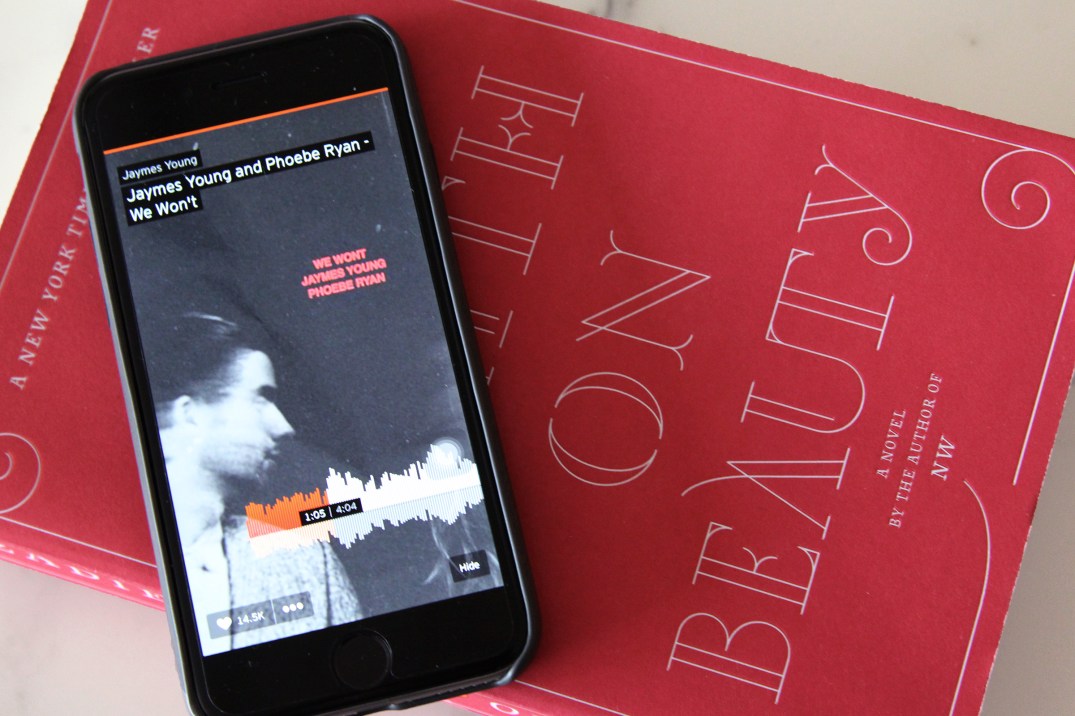
I usually don’t like it when lyrics are directly applied to plots, but Jaymes Young’s new single “We Won’t” grew more and more appropriate for On Beauty the more I read:

Don’t go to war for me
I’m not the one that you want me to be
Jiufen

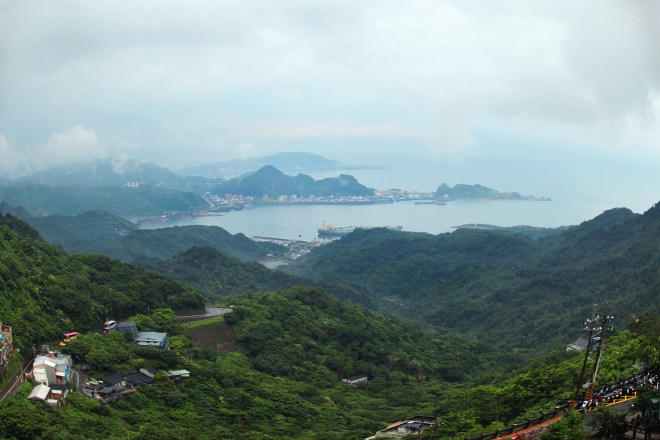
It’s the Dragon Boat Festival (端午節) long weekend, so my parents and I headed off to tourist hotspot Jiufen (九份), a mountain town on the northern shore of Taiwan, for a quick day trip.

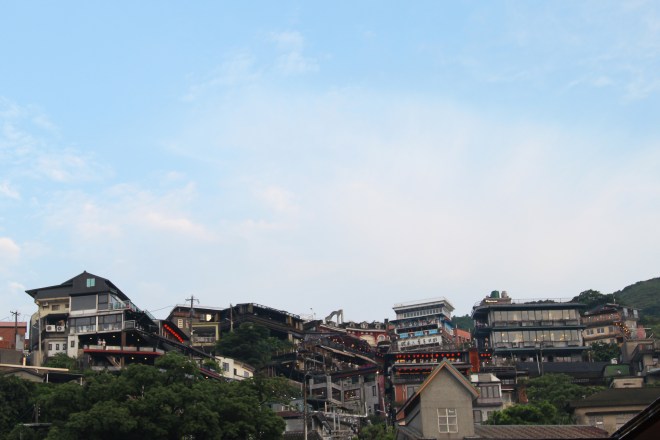
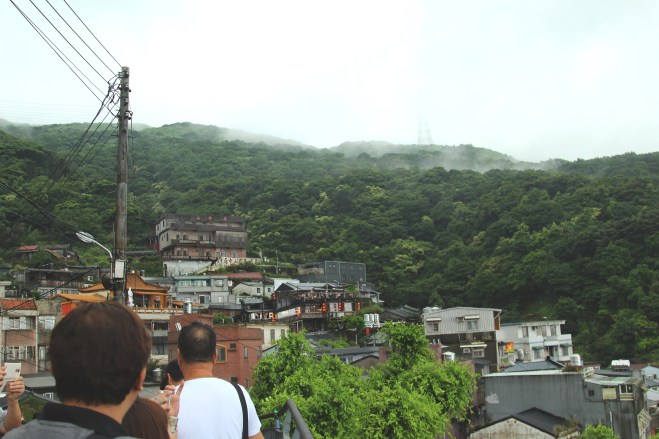
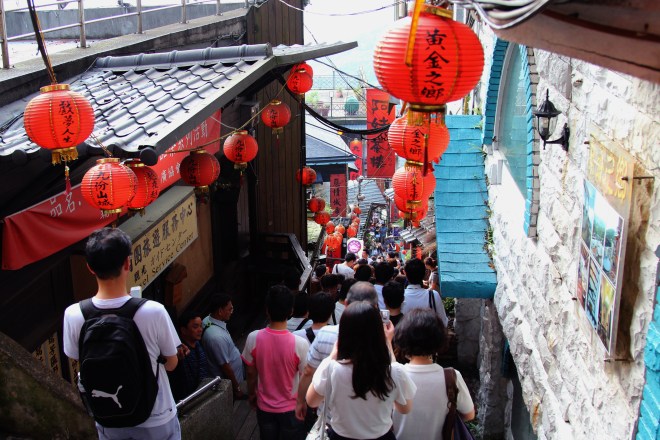
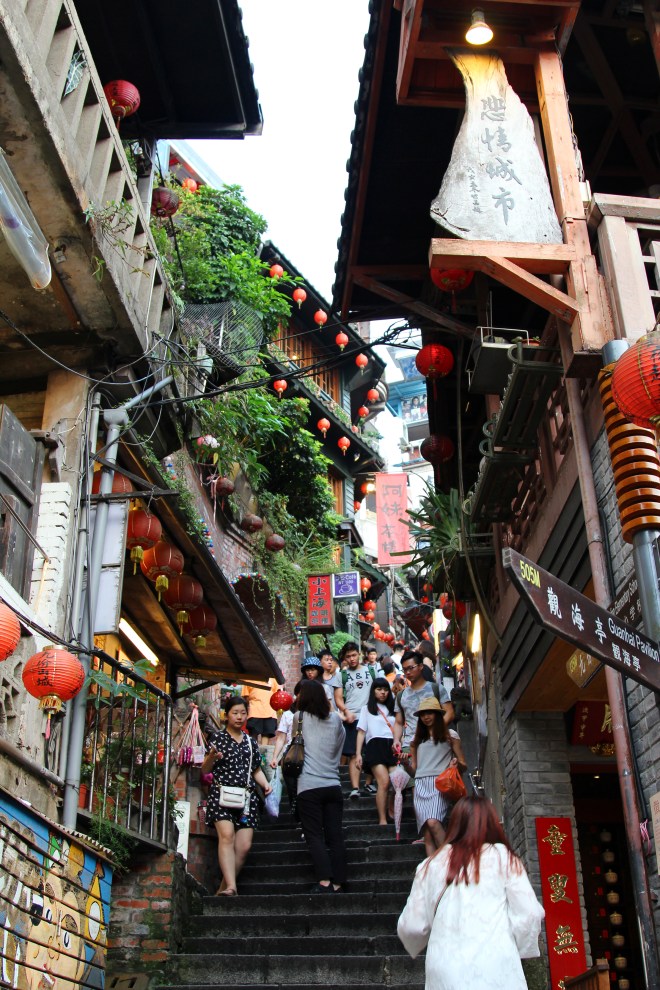
Jiufen, famous for its steep paths lined with shops and red lanterns, is reputedly the inspiration for the town in Hayao Miyazaki’s Spirited Away (千と千尋の神隠し). Probably because of this, there were at least a couple hundred of Japanese tourists on the day of our visit.

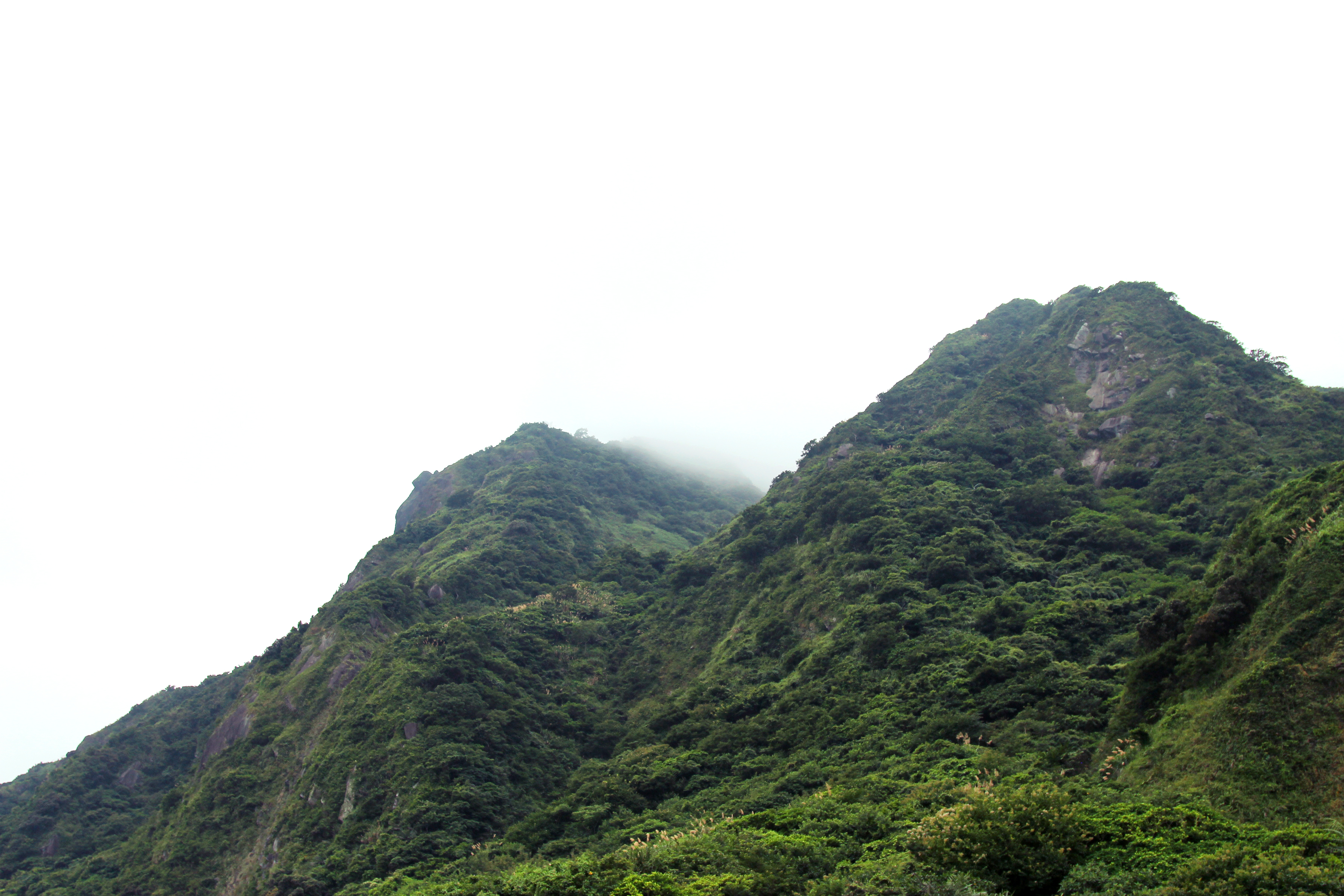
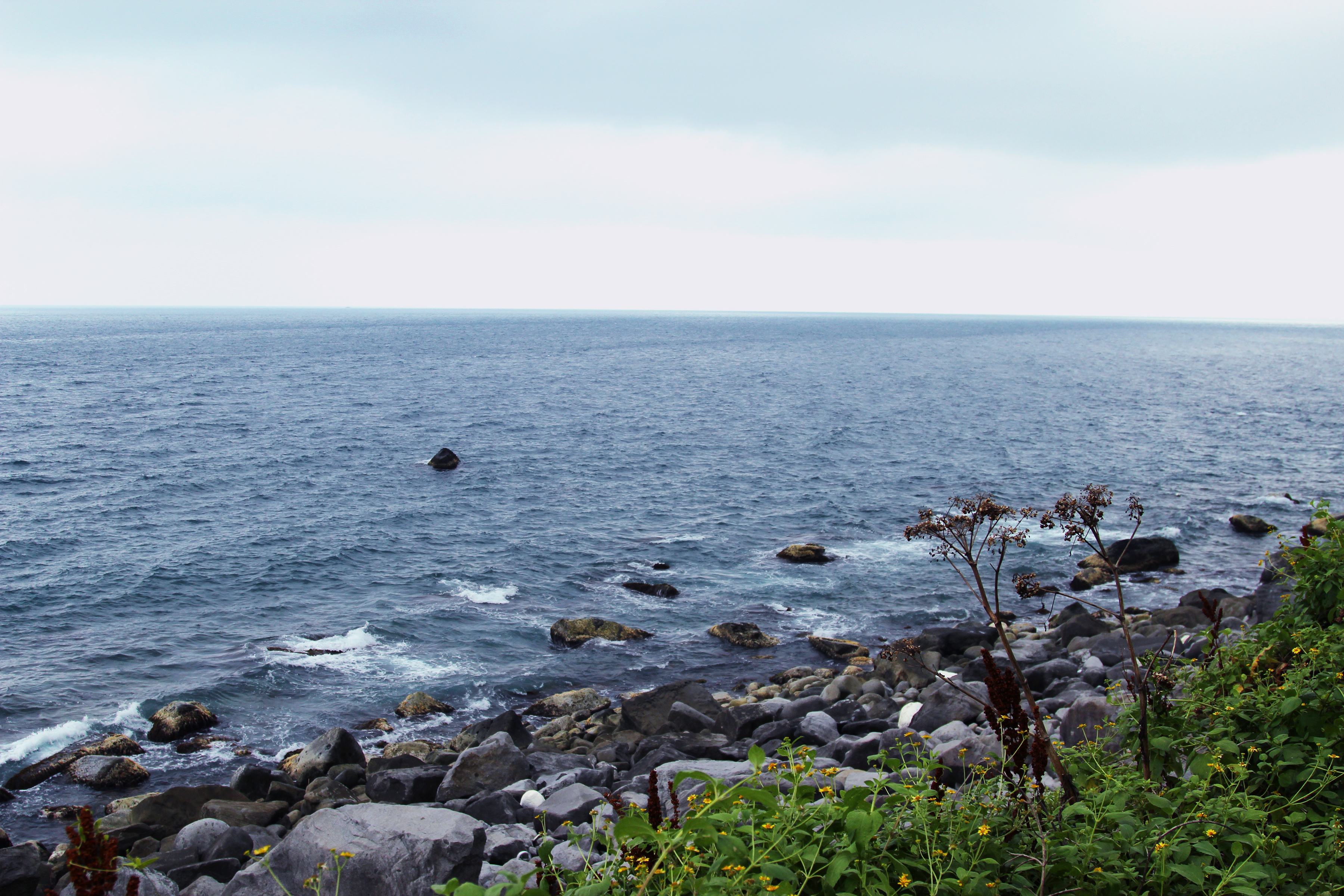
The drive there was only 35 minutes, but we made a shoreline pit stop:

IMG_2196-1

IMG_2202-1

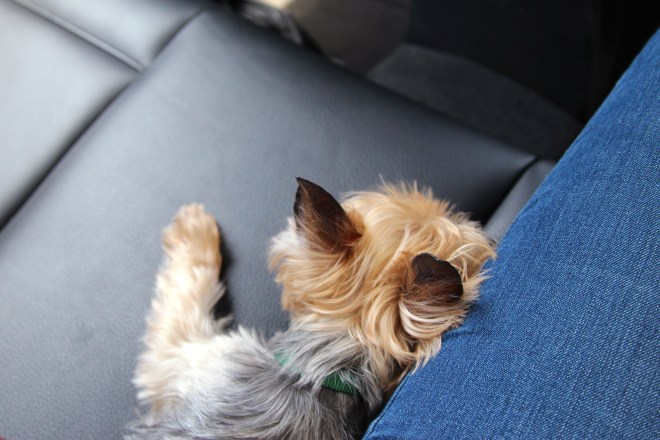
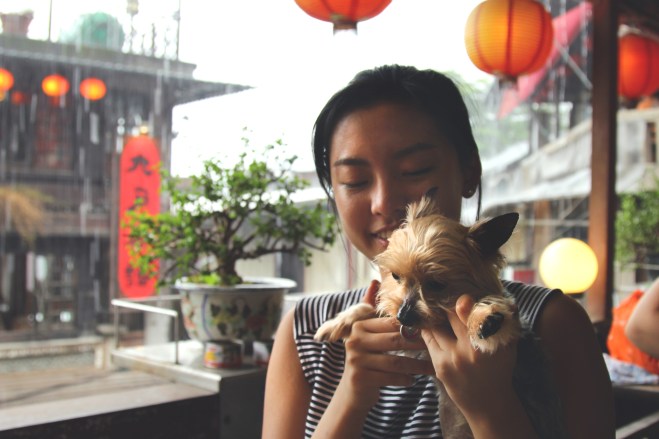
And my dog Mookie took a good lil’ nap:

IMG_2162-1

Once we got there, it was clear that Jiufen was a little grimier and messier than one would expect from a town known for its aesthetics. But I like to think it’s an amicable kind of clutter — which, coincidentally, pretty much sums up Taiwan.

IMG_2350-1

IMG_2252-1

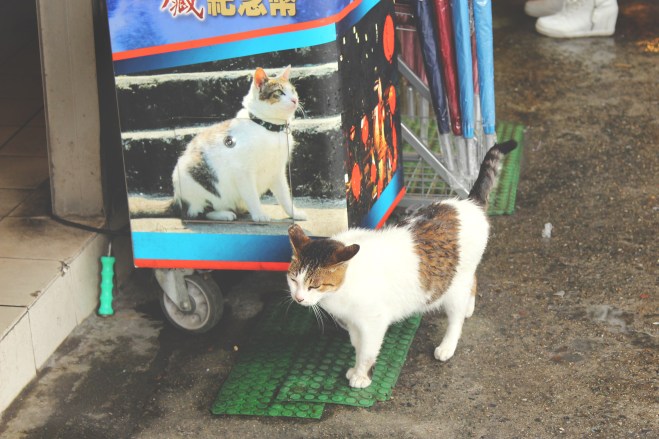
Very proud of this shot of the superstar and his billboard:

IMG_2256-1

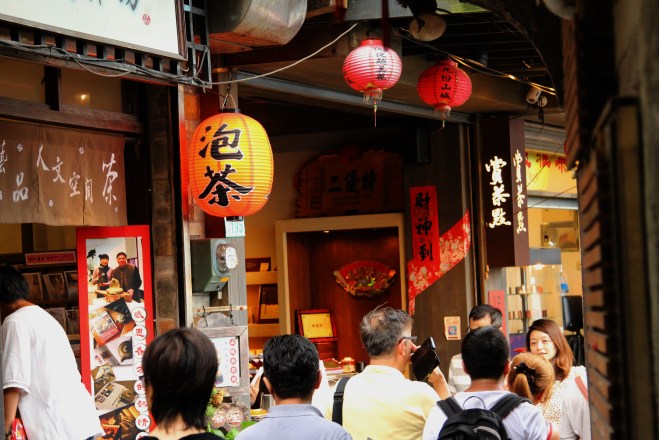
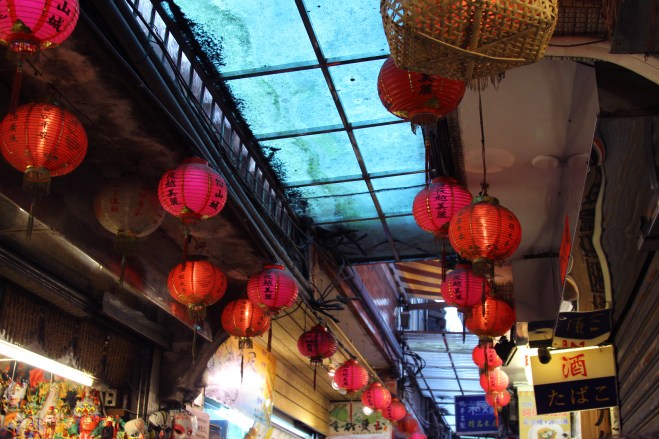
The big lantern below literally says “make tea.” Can’t argue with that.

IMG_2267-1

IMG_2317-1

IMG_2239-1

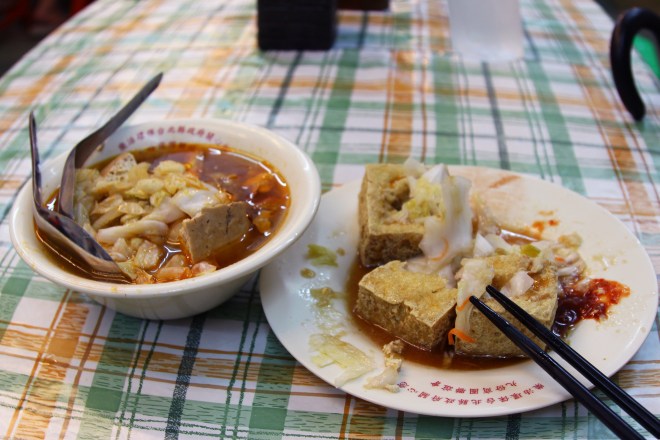
A fisheye shot of some stinky tofu (臭豆腐) that was disappointingly un-stinky:

IMG_2328-1

IMG_2304-1

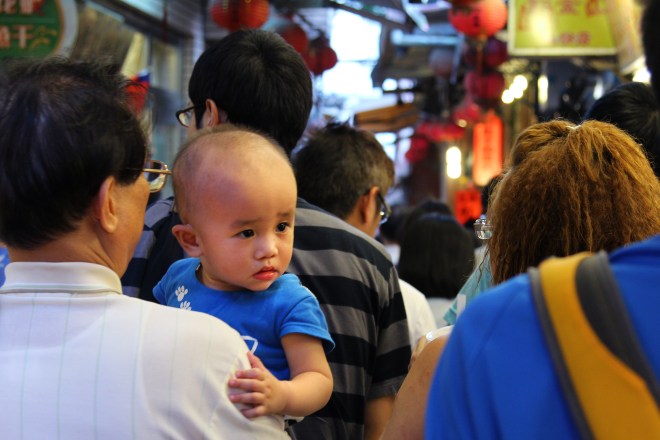
Not sure what the law is on taking pictures of cute children without permission, but we can call it an accident:

IMG_2308-1

IMG_2277-1

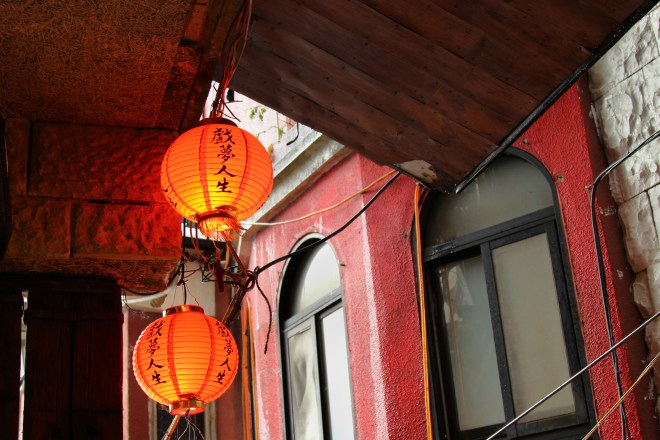
I was particularly fond of the following lantern, which can translate into a number of things, but the characters are essentially: 戲 xi, a game or drama/theater; 夢 mong, dream (both the literal kind and fantasies or aspirations); 人生 ren shen, life (with the nuance of one’s lifetime).

IMG_2251-1

IMG_2263-1

IMG_2331-1

Dirty or not, it’s still a pretty magical place!

IMG_2335-1

Reshelved & Pierced

The past few days have been fairly eventful as far as pre-internship summer days go. I got stranded at a restaurant for 2 hours because the alley flooded, read a lot (more on that in a couple of days), took my first Japanese class since May, and met up with two old friends. On one such occasion, we bar-hopped in downtown Taipei for sangria, really smoky whiskey, and Taiwan Beer©. On the other occasion, I got the cartilage piercing I’d been talking about for the past three years.

IMG_2152 copy

After some online research, I went to Taipei’s famous Tattoo Alley (刺青街) in Ximending (西門町), a bustling, youthful hangout known for its cheap clothing, traditional eats, and historical buildings reminiscent of the city’s commercial beginnings. The shop I chose is called 老頭子, a semi-affectionate, semi-derogatory term for “old man.”

The “old man” made a big fuss about angling the piercing so that it’ll show up well — a valid point, but I was too busy flipping my shit. He ignored me, wiped down my ear with rubbing alcohol, and pretty much just went for it with a large needle. His only instructions were to inhale deeply and quickly when he told me to.

It actually didn’t hurt at all. At the time, anyway. For three days afterward, my ear stung from time to time and there was a ring of dark blood caked around the wound. The “old man” had told me not to touch it, not even for cleaning, against common advice. I ended up still cleaning it with saline solution every night, but otherwise just let it be and prayed to the no-infection gods. It’s day 5 now and there’s no more bleeding, so I guess either he really is a master or the no-infection gods were gracious.
The piercing and earring together cost $680 NT (about $27 US).

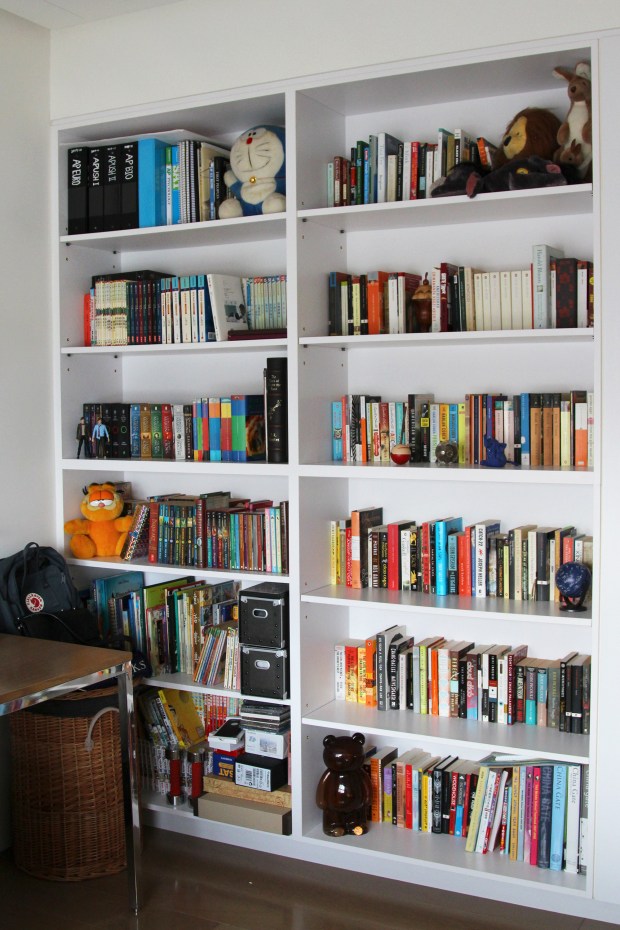
In other news, I reorganized my bookshelf. This is a pretty big deal for me, if you couldn’t guess from the contents of this blog.

IMG_2043

On the left: old school materials, Chinese books, fantasy and sci-fi, fitting Matt Smith figurines, children’s books, and a shitton of manga (not pictured). On the right: non-fiction (one shelf) and fiction (five shelves). I decided to alphabetize by author last name, which took forever but makes my inner nerd choir sing carols of joy.

IMG_2046

The finished view! A few close-ups:

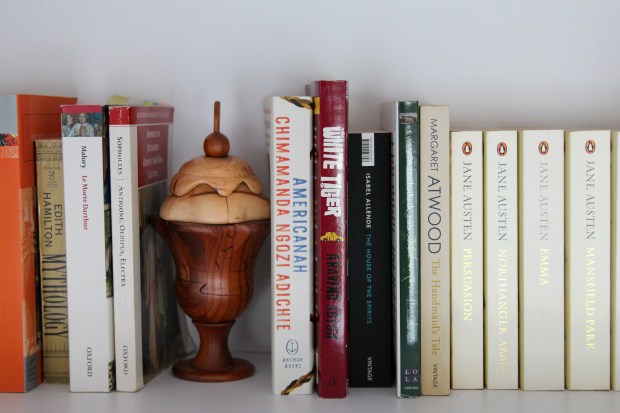
IMG_2131

Left of Sundae Puzzle is works from medieval times and prior. Right of Sundae Puzzle is post-medieval literature. The illegible green spine is The Posthumous Memoirs of Bras Cubas. To the right of the Atwood is my prized collection of Penguin UK special edition Austens, the beautiful covers of which can be seen in this insta from December.
IMG_2120

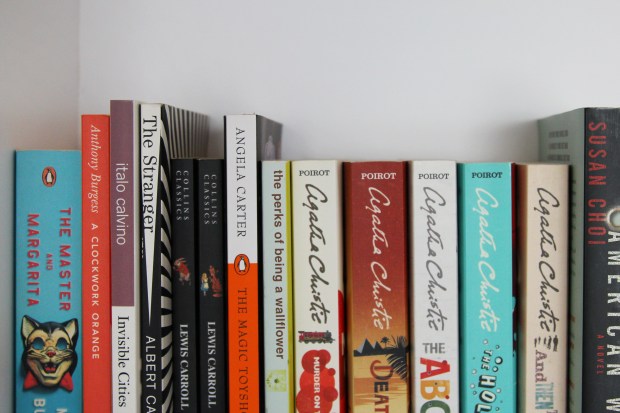
One of my favorite corners, partly for the amazing cat (okay, Behemoth) on The Master and Margarita spine, partly for that insane design for The Stranger, partly for the adorable Lewis Carroll drawings, but mostly for my mini Agatha Christie collection by HarperCollins UK.

IMG_2111

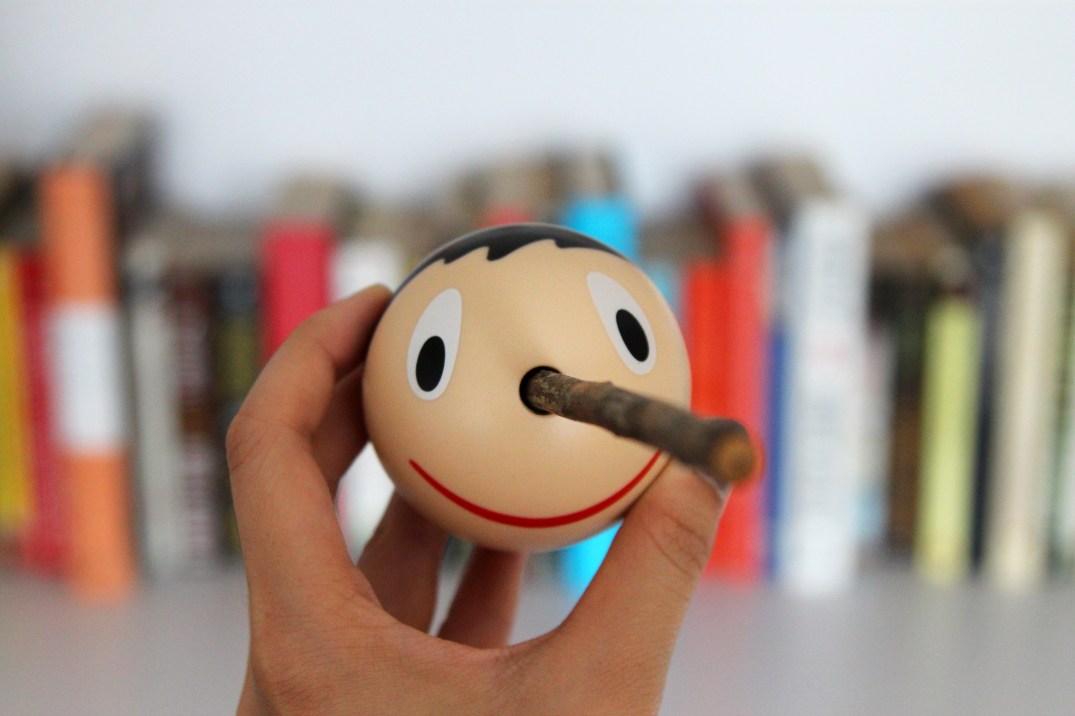
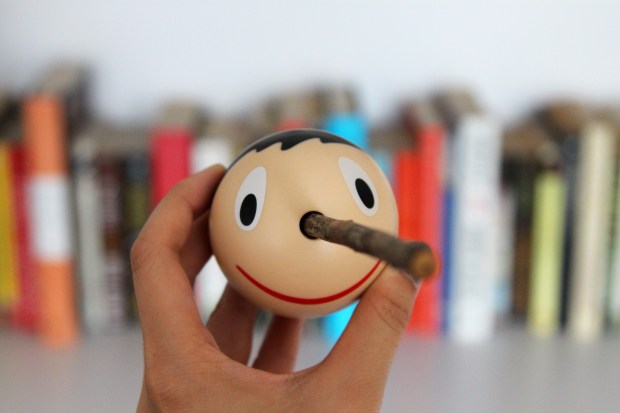
And here’s a Pinocchio pencil sharpener and a pencil that looks like a tree branch. Because why not.